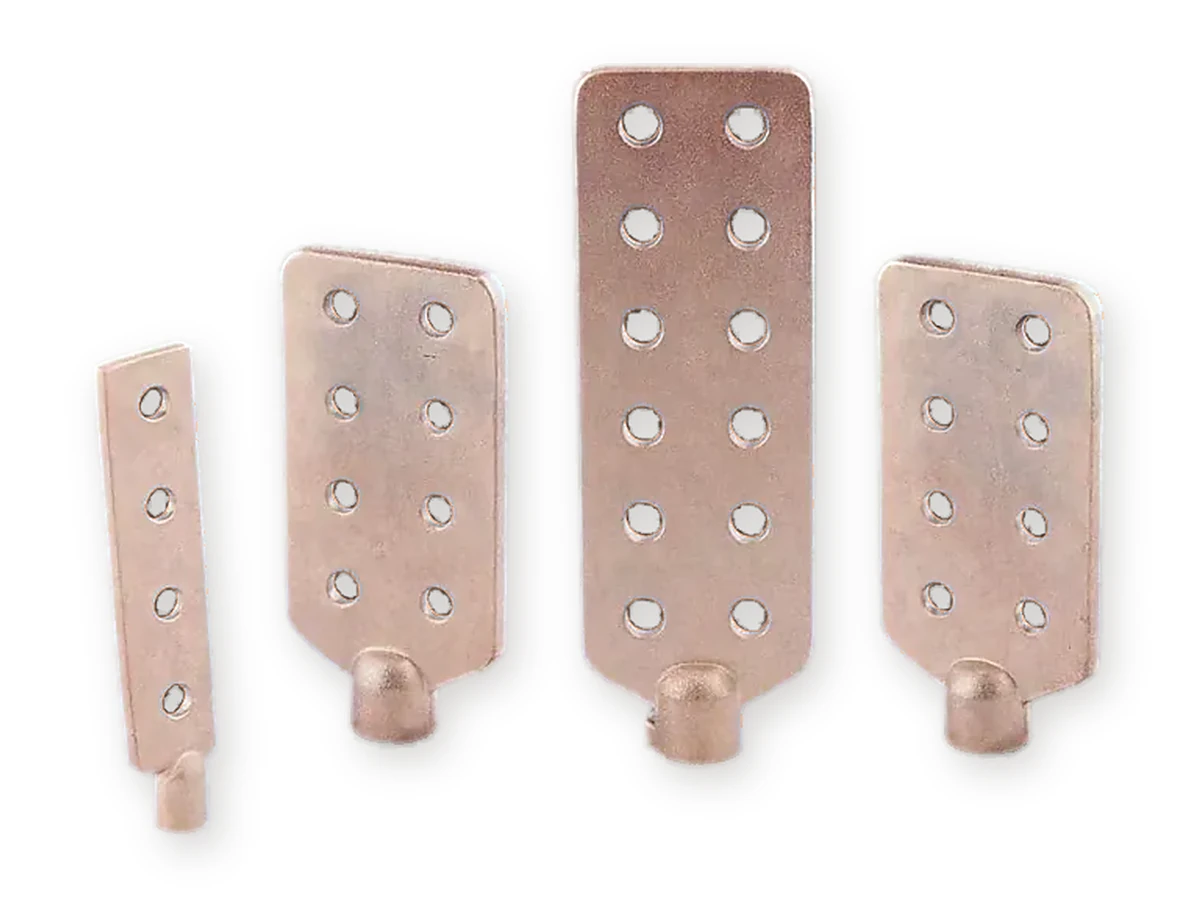
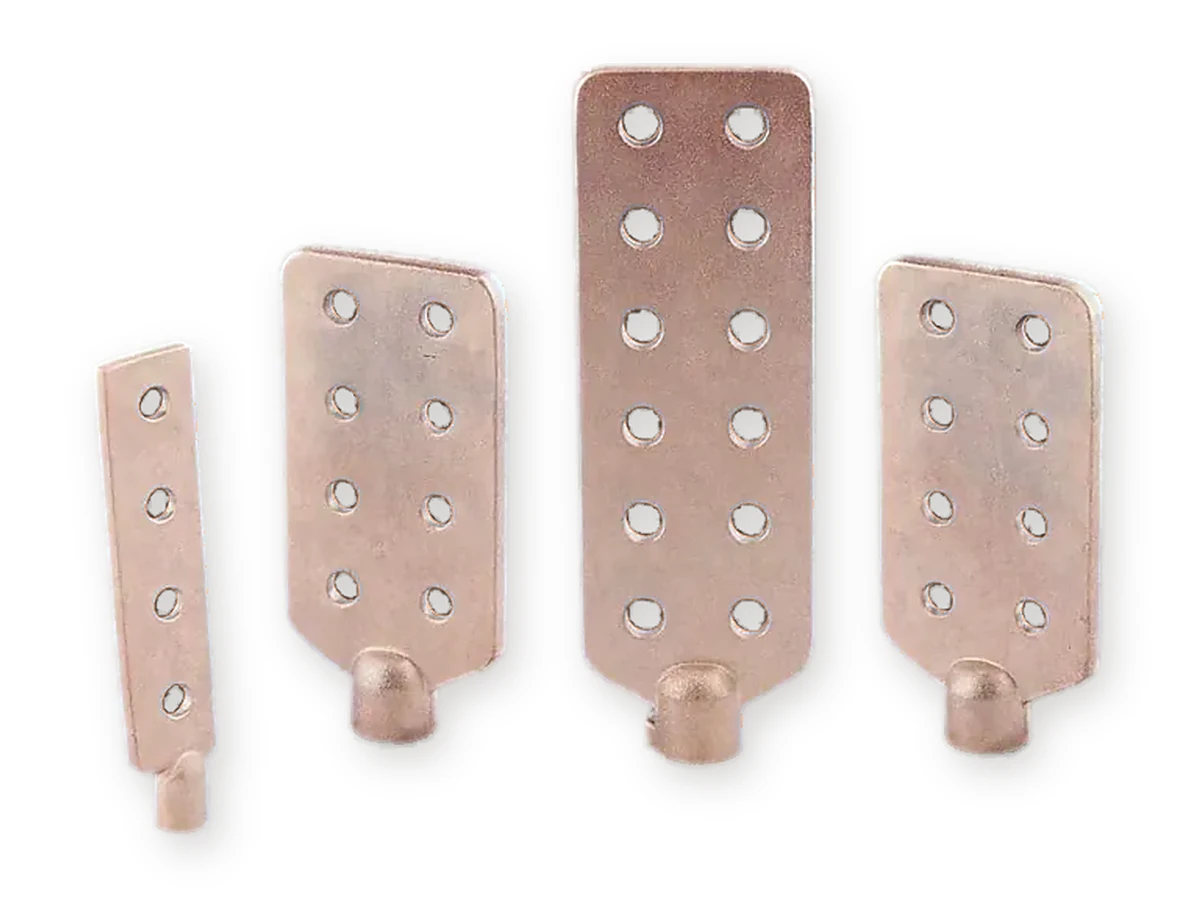
Transformer Spade Terminals
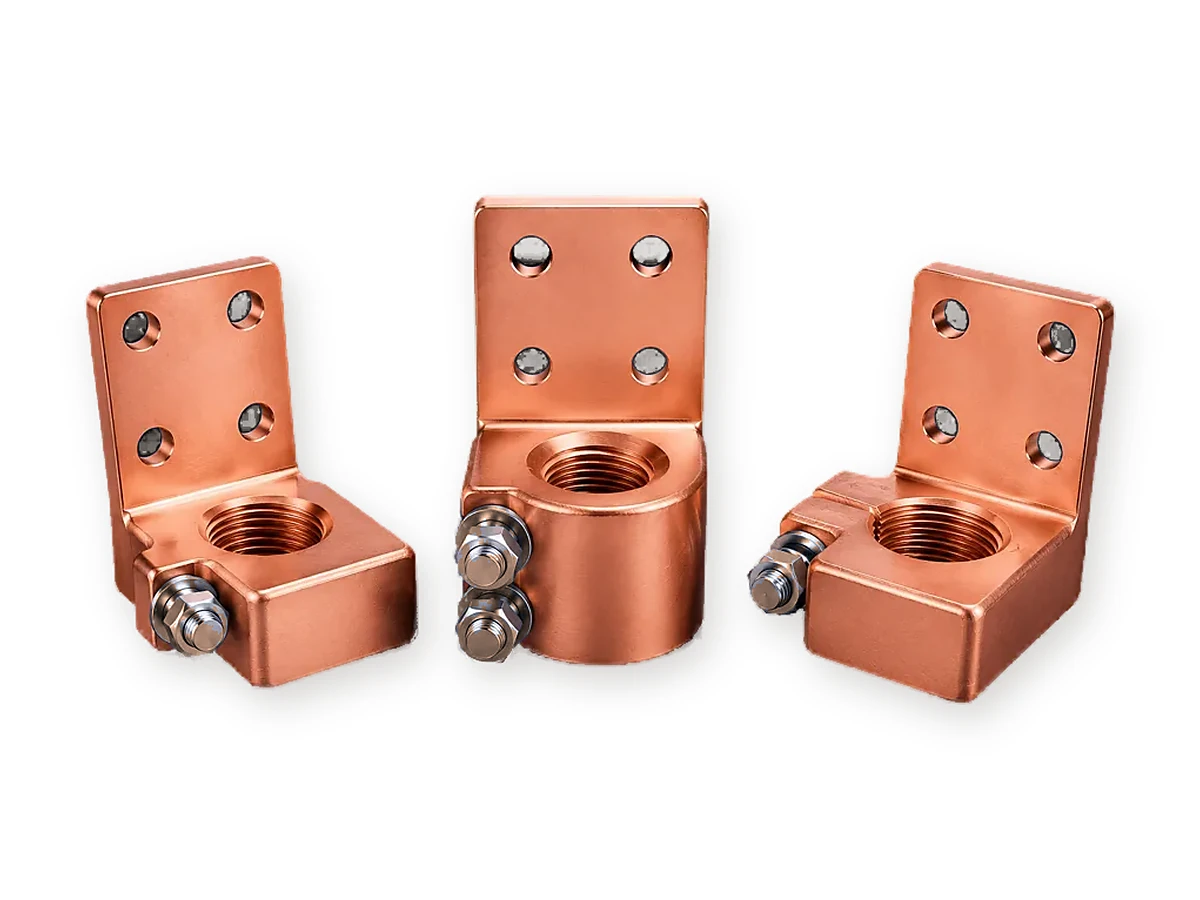
Cast bronze and copper-alloy spade terminals for distribution and power transformer bushings, drilled to NEMA patterns or your drawing.
Indicative price from
$9 /kg
Industry · Power & Electrical
Conductive and corrosion-resistant parts for solar, wind, battery storage and EV-charging infrastructure.
Products for renewable energy & energy storage
Transformer Hardware & Studs
Earthing & Grounding Accessories
Overhead Line & PG Clamps
Switchgear & Contact Parts
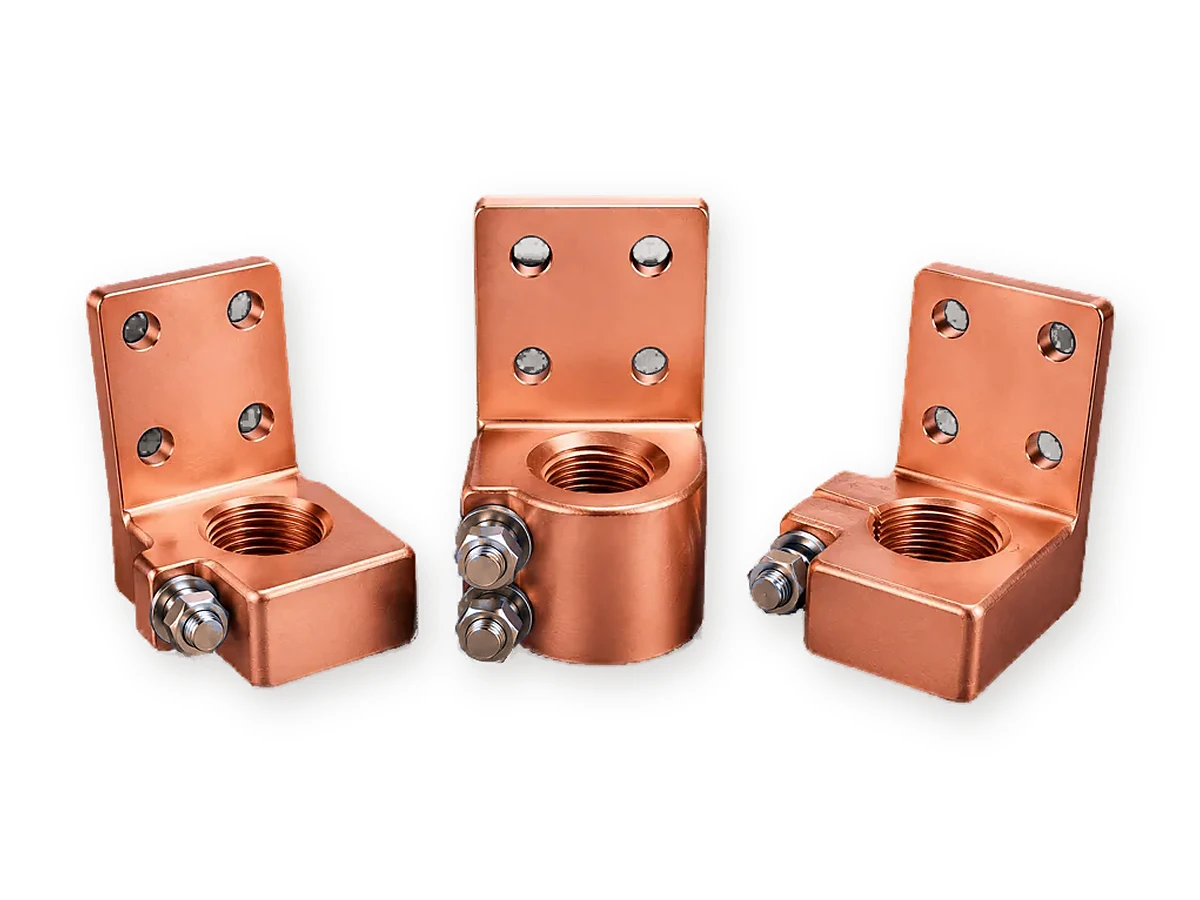
Cast bronze and copper-alloy spade terminals for distribution and power transformer bushings, drilled to NEMA patterns or your drawing.
Indicative price from
$9 /kg
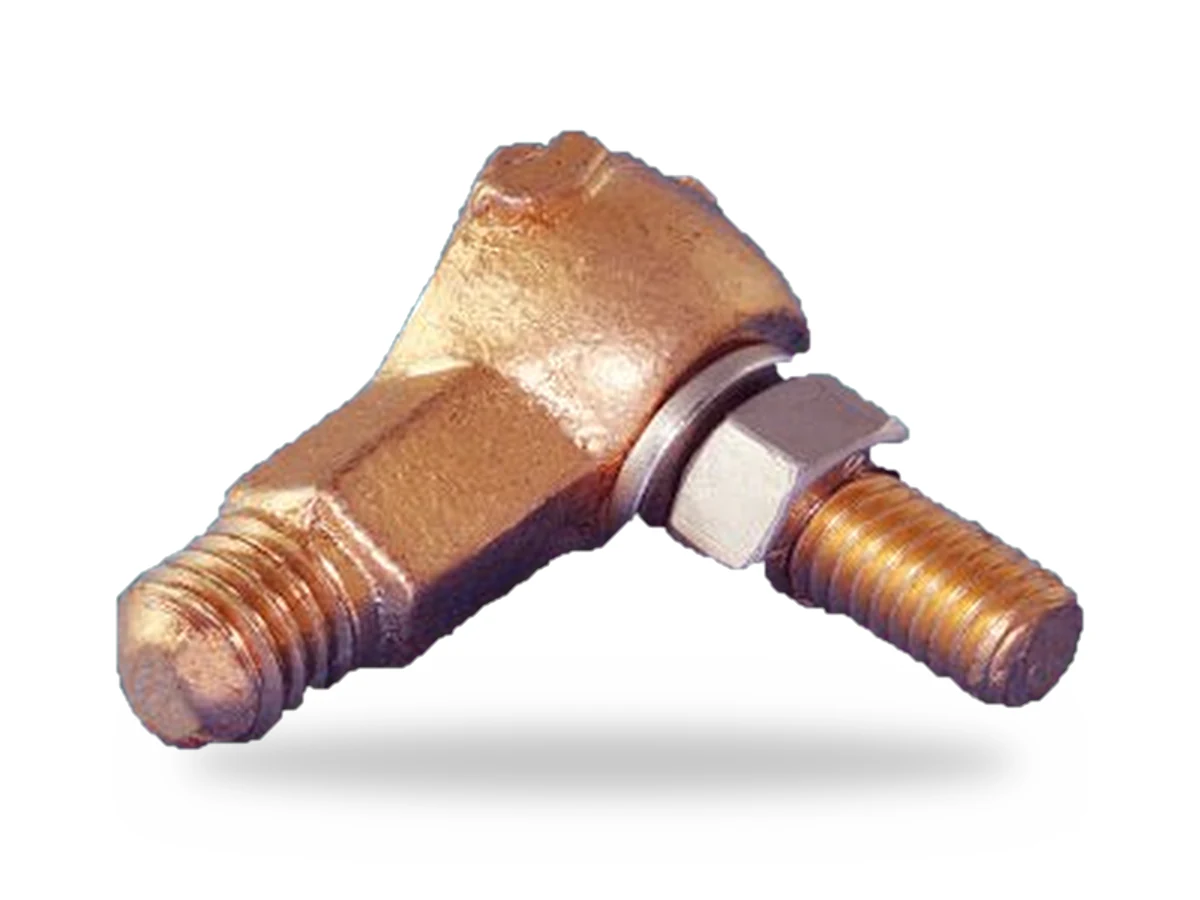
Copper and bronze stud connectors that join transformer bushing studs to cables and busbars, cast and threaded to your stud size.
Indicative price from
$9 /kg
Cast bronze tank grounding connectors and ground posts that bond transformer tanks to the earthing conductor.
Indicative price from
$9 /kg
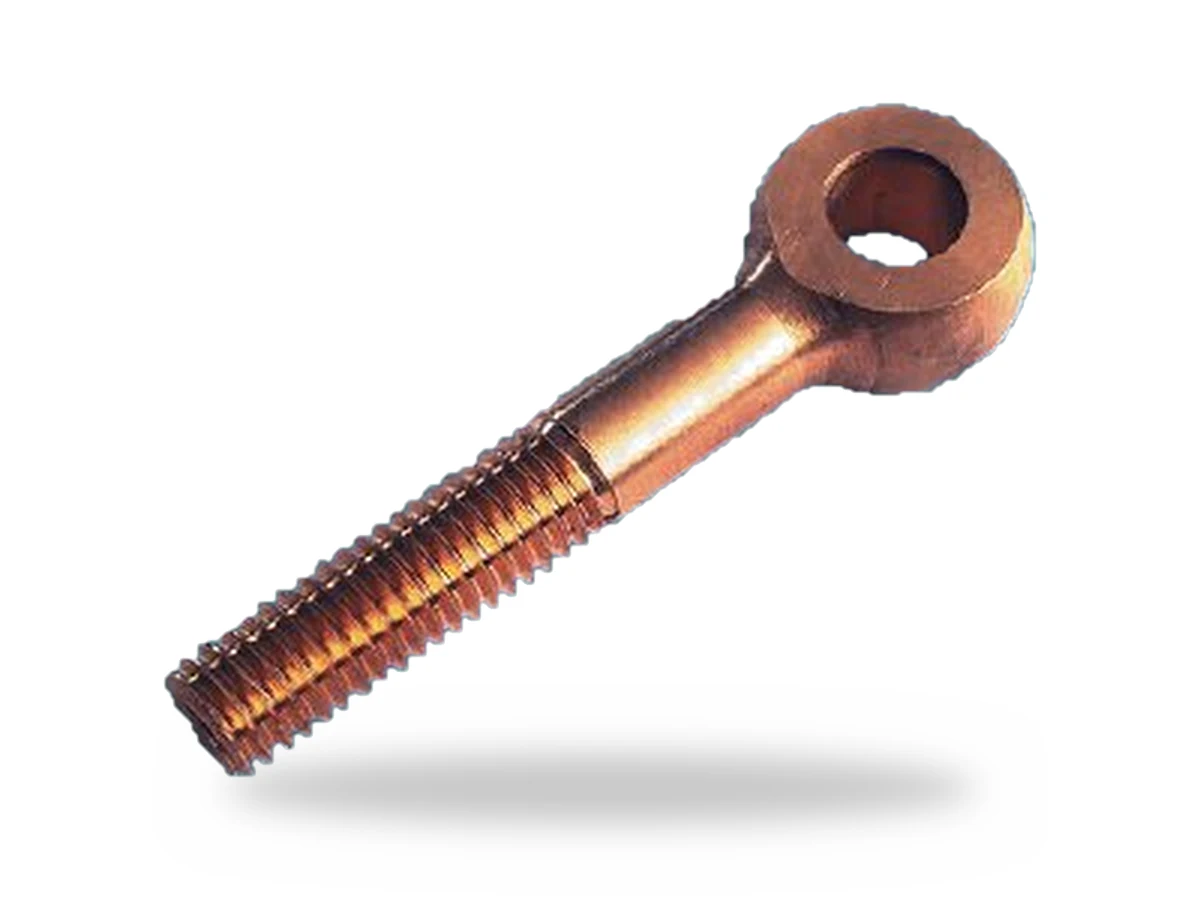
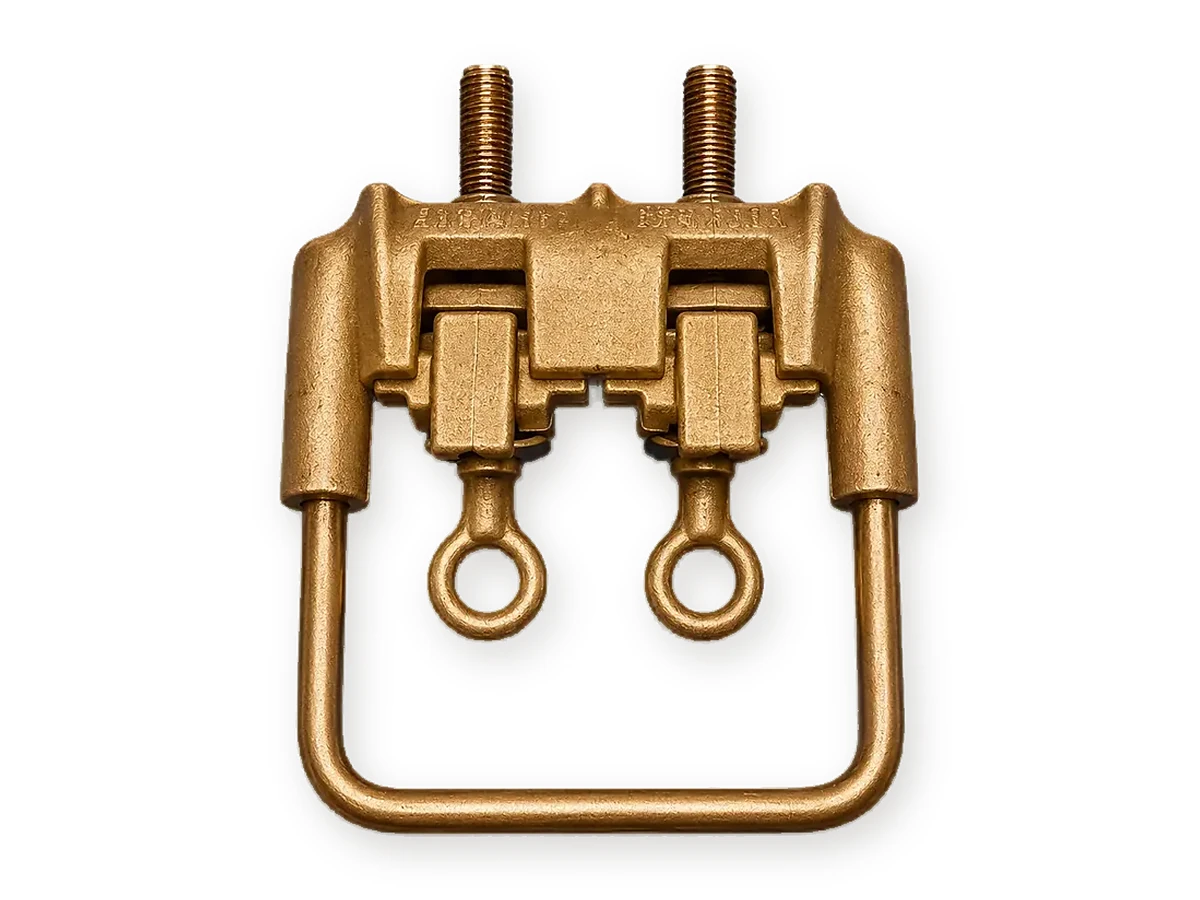
Cast bronze connector eyebolts for clamping conductors on transformer terminals and bushing studs.
Indicative price from
$9 /kg
 Representative image
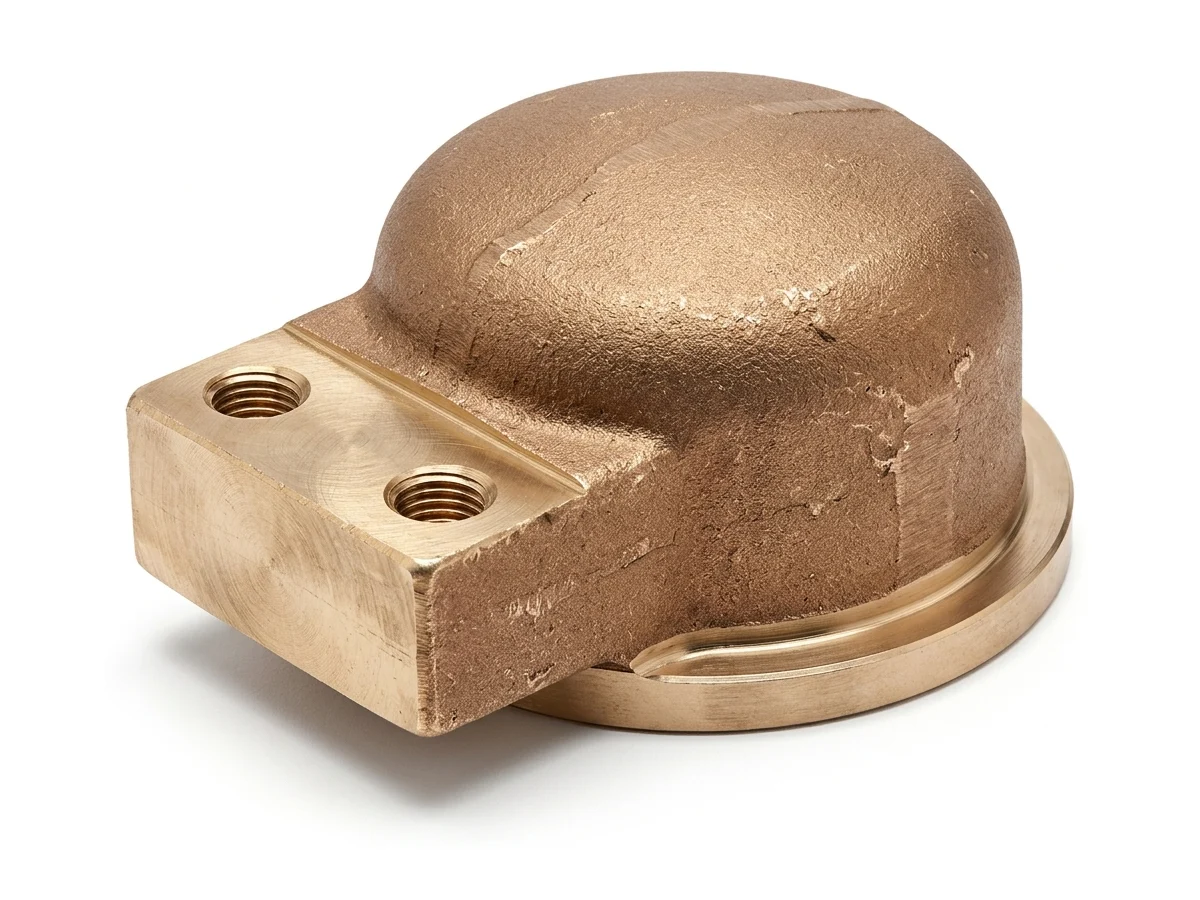
Cast bushing caps and threaded terminal pads in copper alloy and bronze for transformer bushings.
Indicative price from
$9 /kg
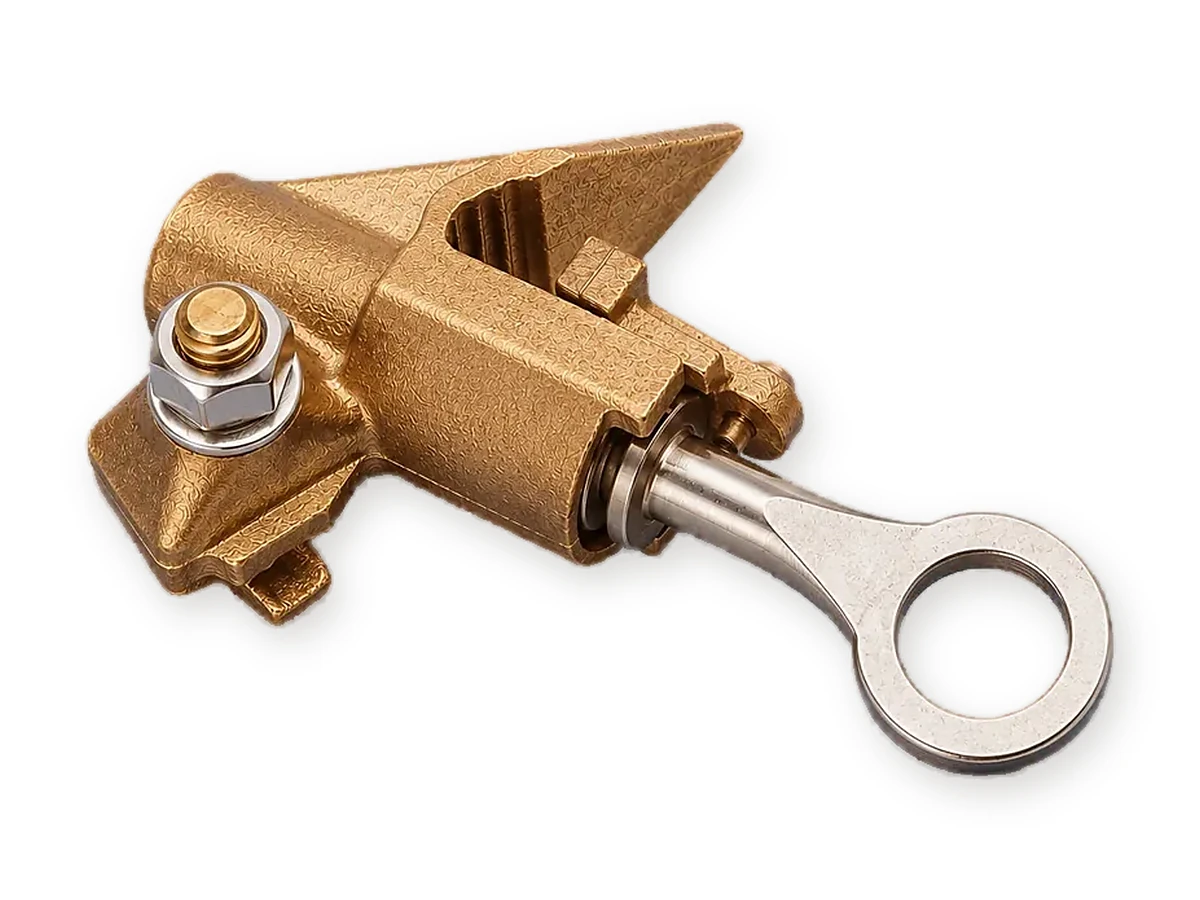
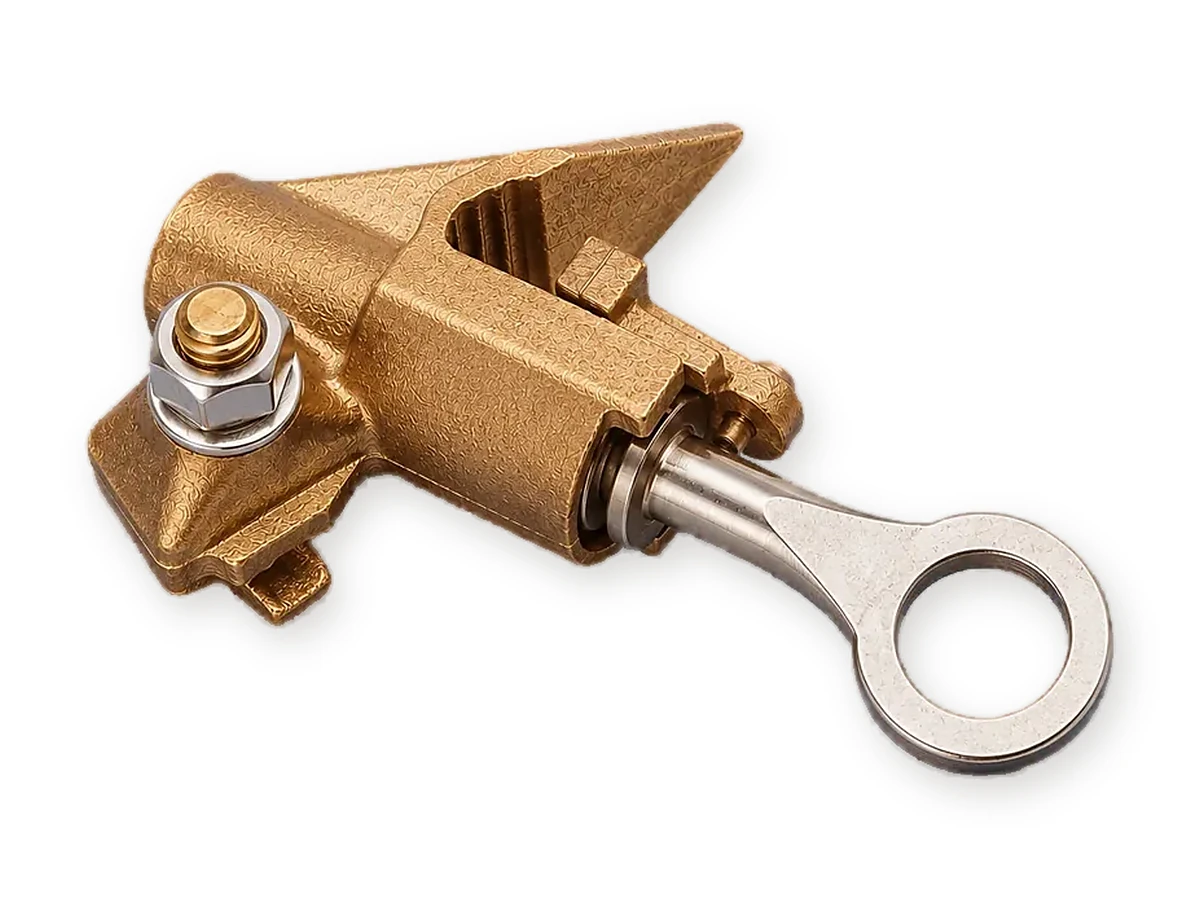
Bronze and aluminum hotline clamps for live-line tap connections on overhead distribution lines.
Indicative price from
$4 /kg
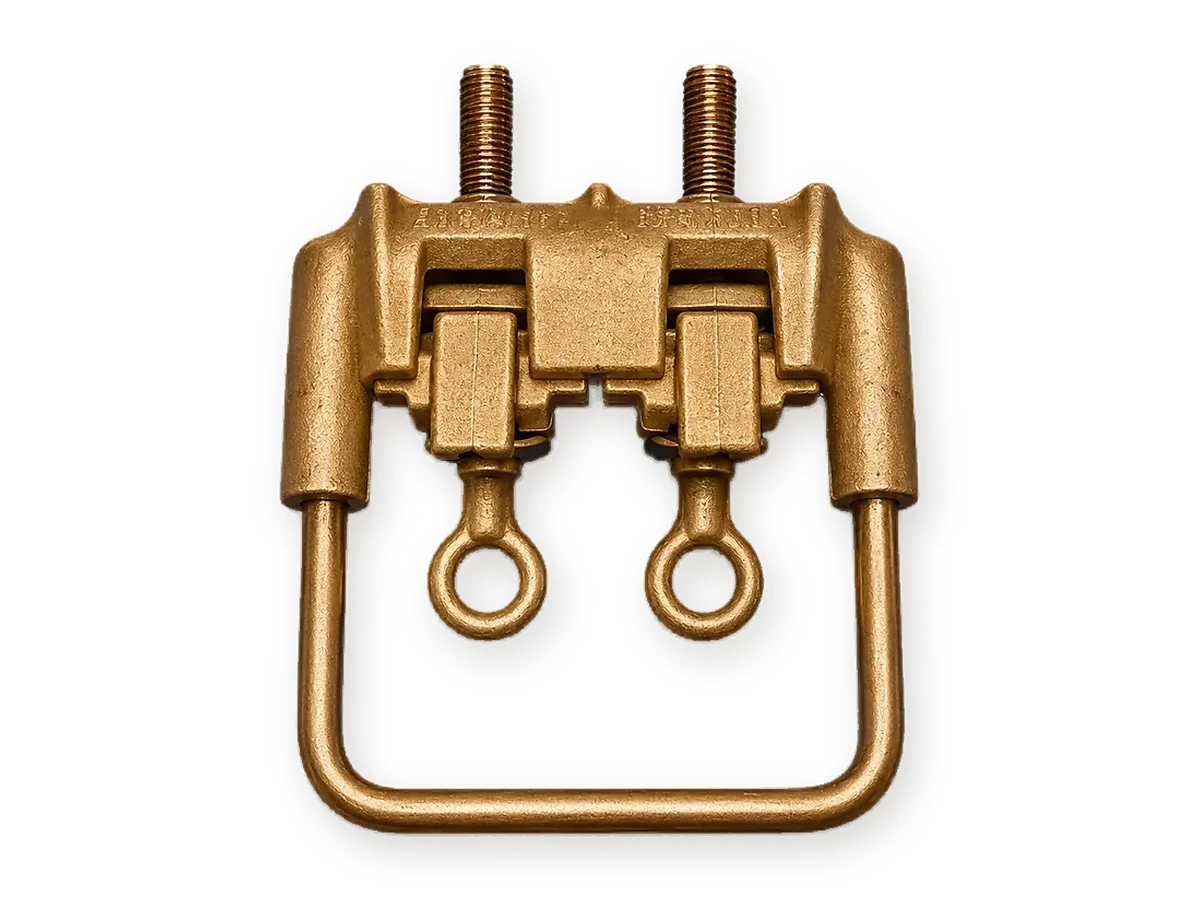
Bronze and aluminum stirrup clamps with bails that give a clean tap point for hotline clamps on overhead lines.
Indicative price from
$4 /kg
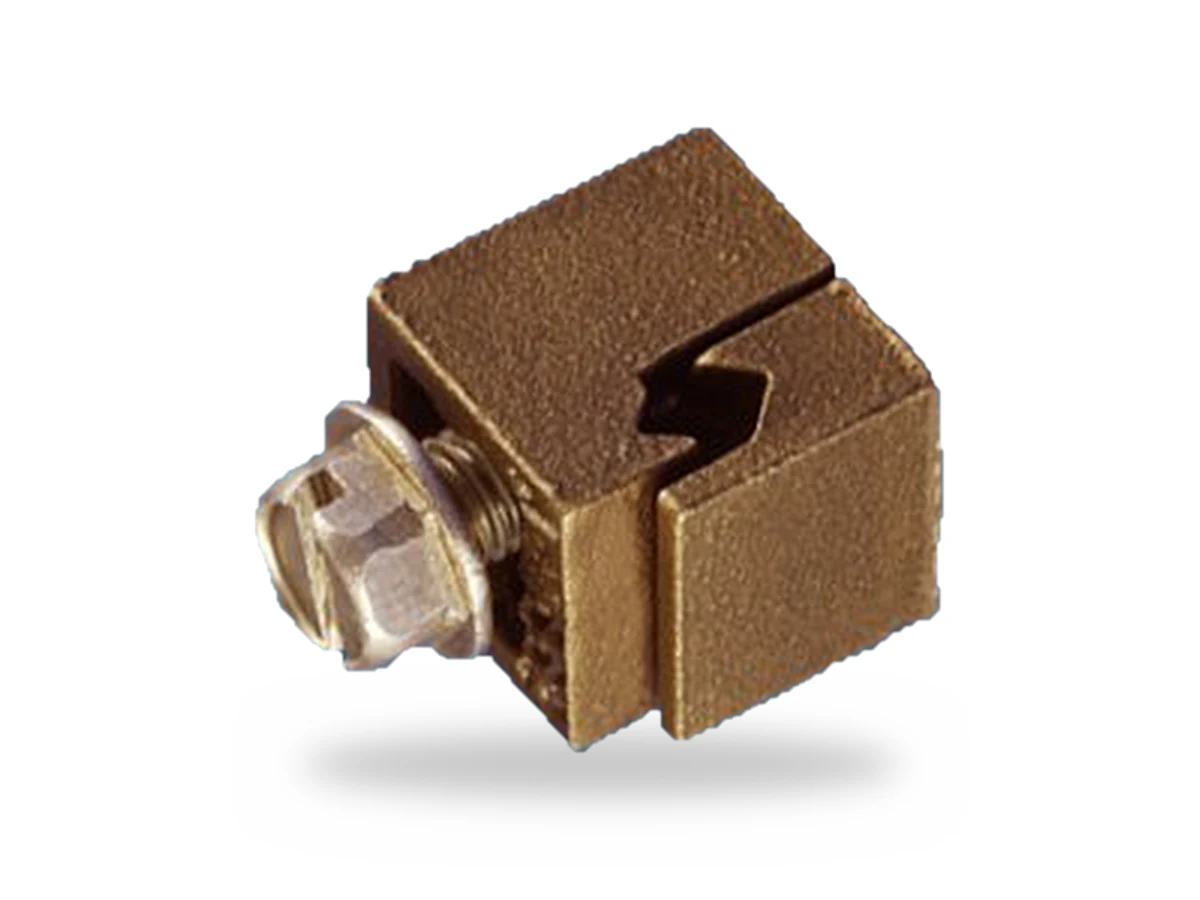
Bronze vise connectors for joining and tapping copper conductors on overhead lines and grounding systems.
Indicative price from
$4 /kg
Electrical castings for renewable energy & energy storage
Cast solar grounding bodies, wind bonding parts and energy-storage connector bodies.
Solar farms, wind turbines and battery energy-storage systems need many electrical connection parts: grounding clips and lugs for module frames and racking, bonding parts for towers and nacelles, and connector bodies for busbars and battery cabinets. They must carry fault and load currents safely and survive outdoors for the 25-year life of the plant.
Conex casts solar grounding bodies, wind-equipment bonding parts and energy-storage connector bodies in copper alloys, bronze, brass and aluminum to the customer's drawing, and machines holes, threads and contact surfaces. Parts can be tin plated where specified.
Spectro analysis, dimensional inspection and visual checks, with material test certificates under an ISO 9001:2015 quality system. Product listings (such as UL 2703 for solar bonding) belong to the customer's product.
Supplied from Jamnagar, Gujarat, to renewable-energy equipment makers in more than 34 countries.
Types
| Materials | Copper alloys, bronze, brass, aluminum |
|---|---|
| Casting process | Sand, gravity die, investment casting |
| Types | Solar grounding bodies, wind bonding parts, ESS connector bodies |
| Machining | Holes, threads, contact surfaces |
| Finish | Natural or tin plated |
| Documents | Material test certificate, inspection report |
| Minimum order | Batch and annual schedules |
Applications
Solar module and racking grounding · Wind turbine bonding · Battery energy-storage systems · Inverter and combiner boxes · Utility-scale solar · Renewable-energy OEMs
Related products
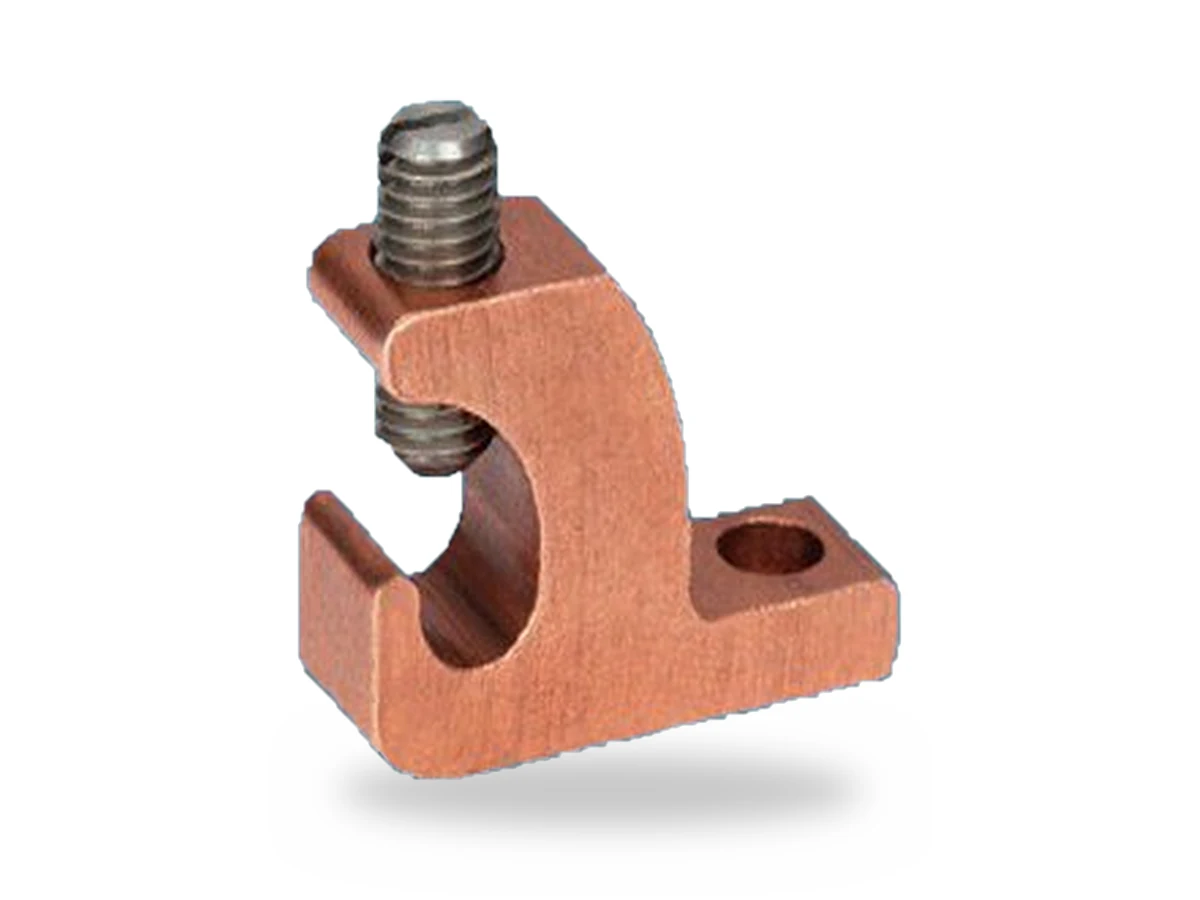
Cast bronze lay-in grounding lugs that let a continuous conductor pass through without cutting it.
Indicative price from
$9 /kg
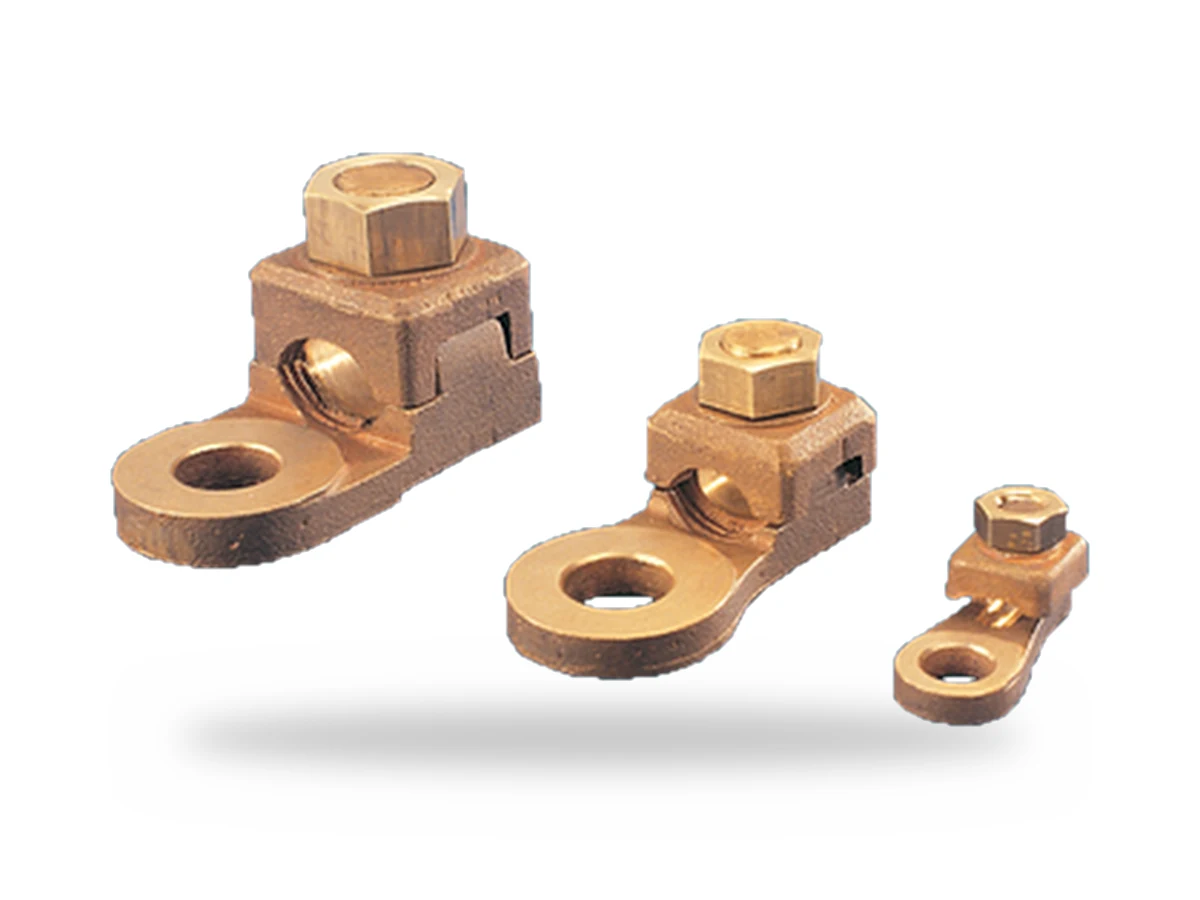
Cast mechanical ground lugs for transformers and electrical equipment, machined and supplied with screws.
Indicative price from
$9 /kg
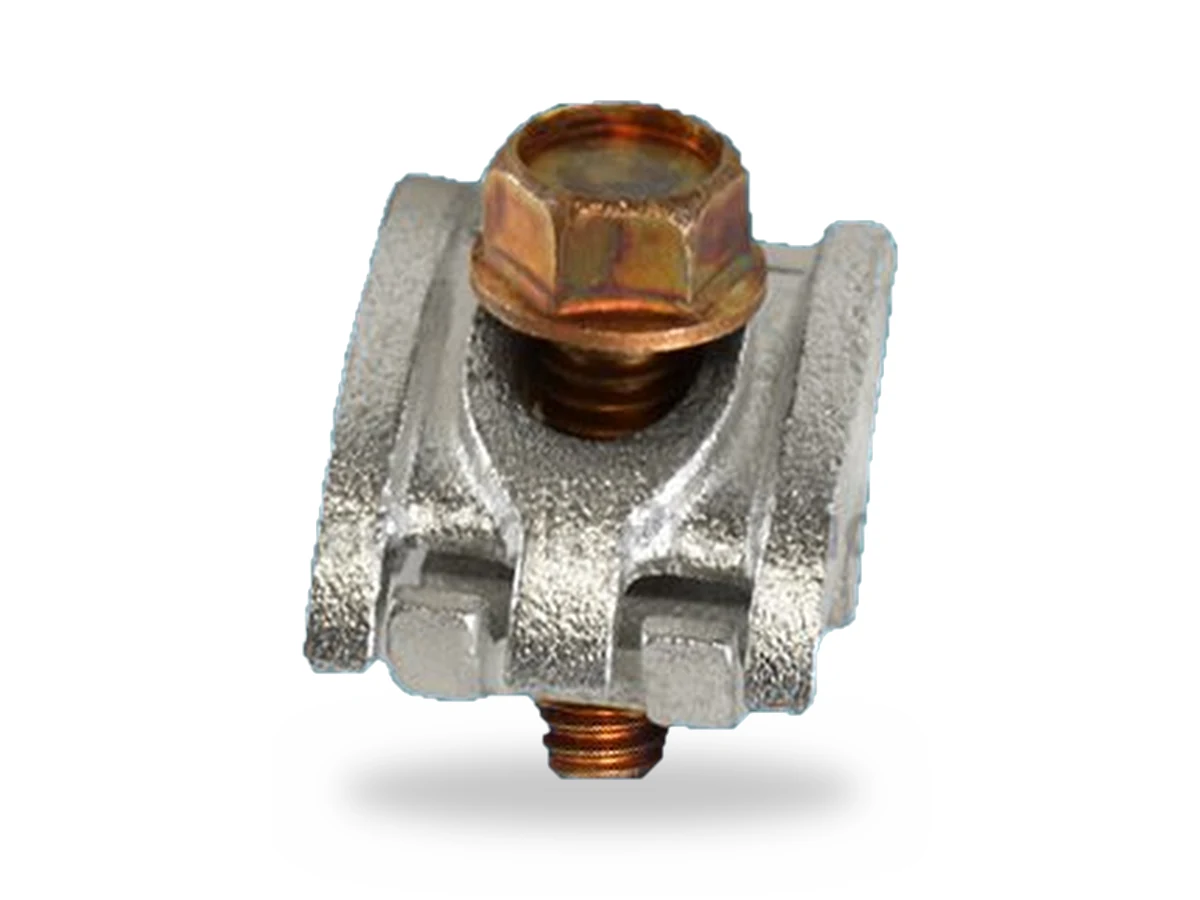
Cast bronze bonding clamps that connect pipes, tapes and conductors to the earthing system.
Indicative price from
$9 /kg
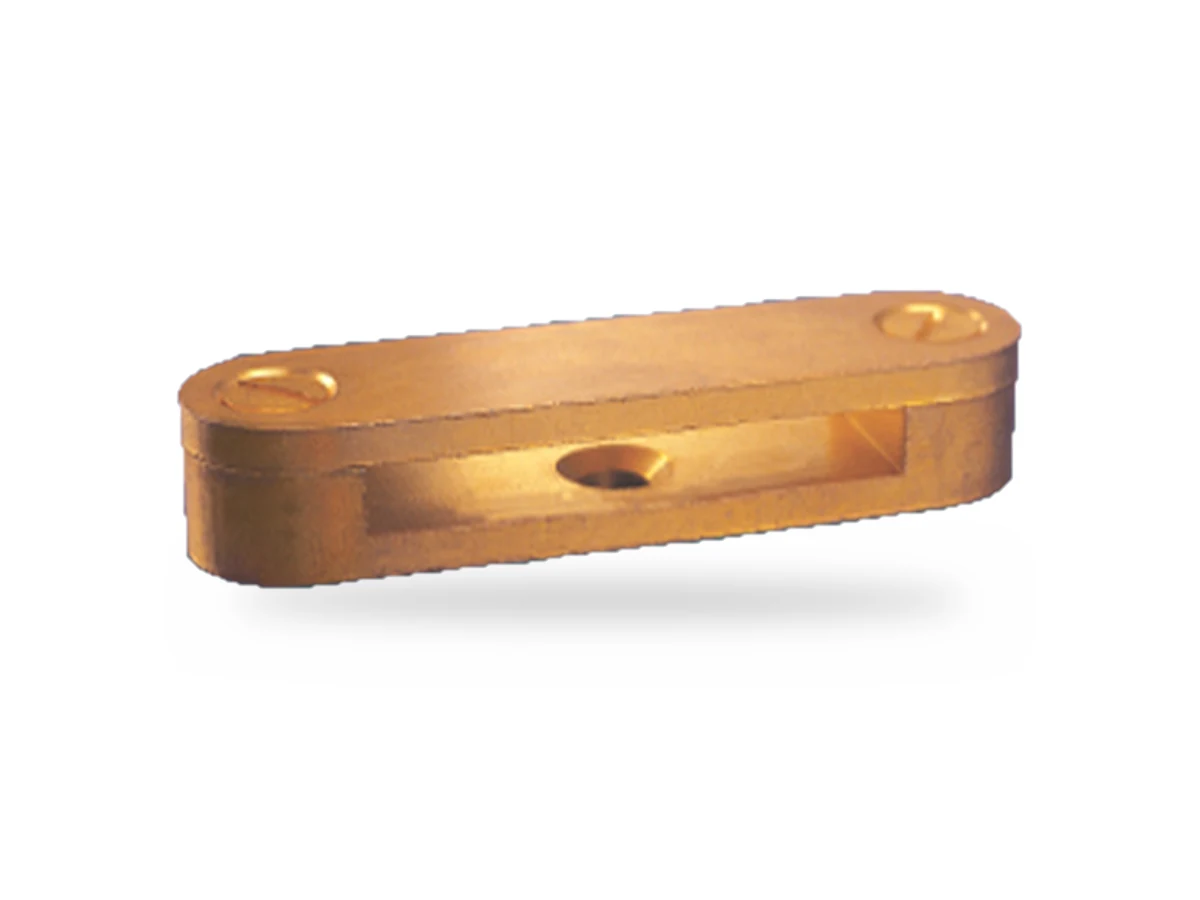
Cast DC tape clips, tape-to-tape clamps and earth-tape saddles for lightning protection and earthing tape systems.
Indicative price from
$9 /kg
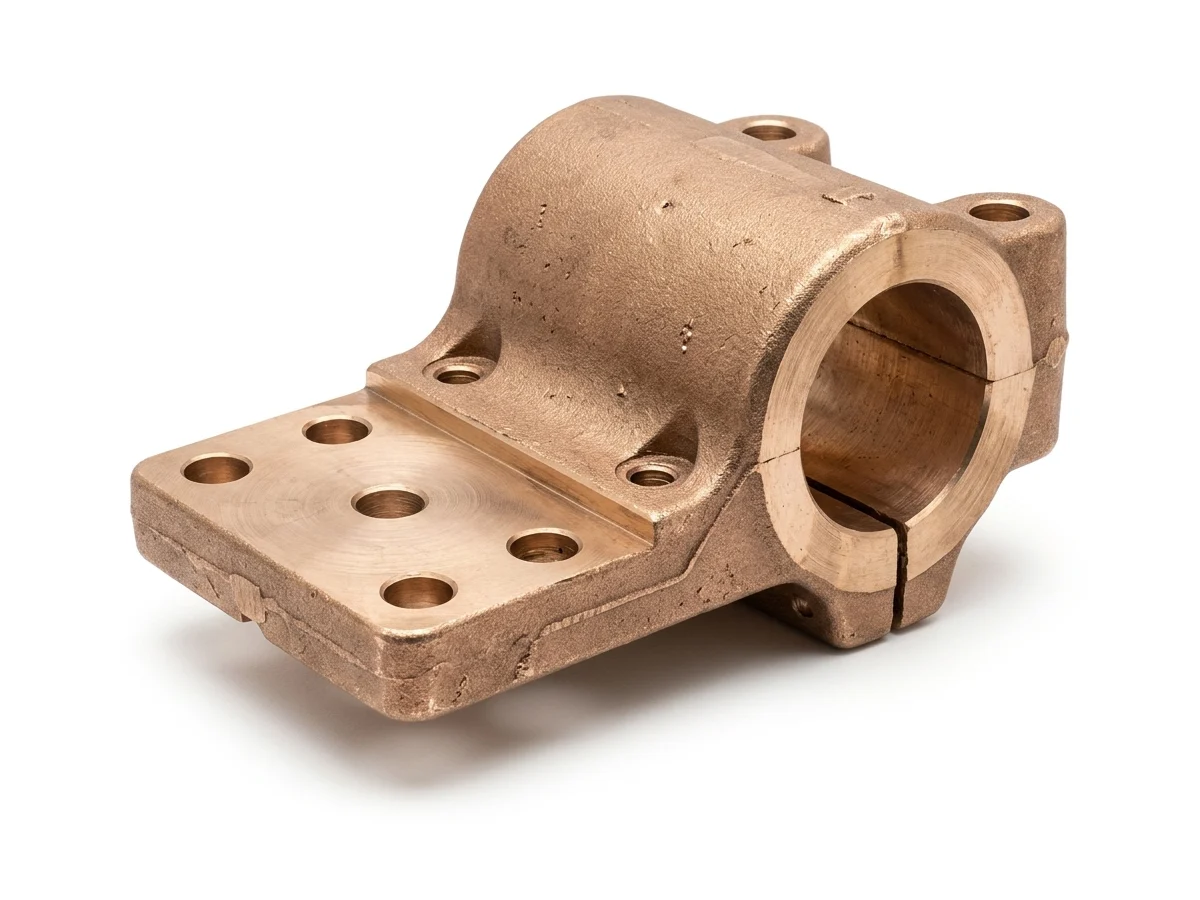 Representative image
Cast terminal pads and busbar connector bodies for substation equipment and bus systems.
Indicative price
$15 /kg
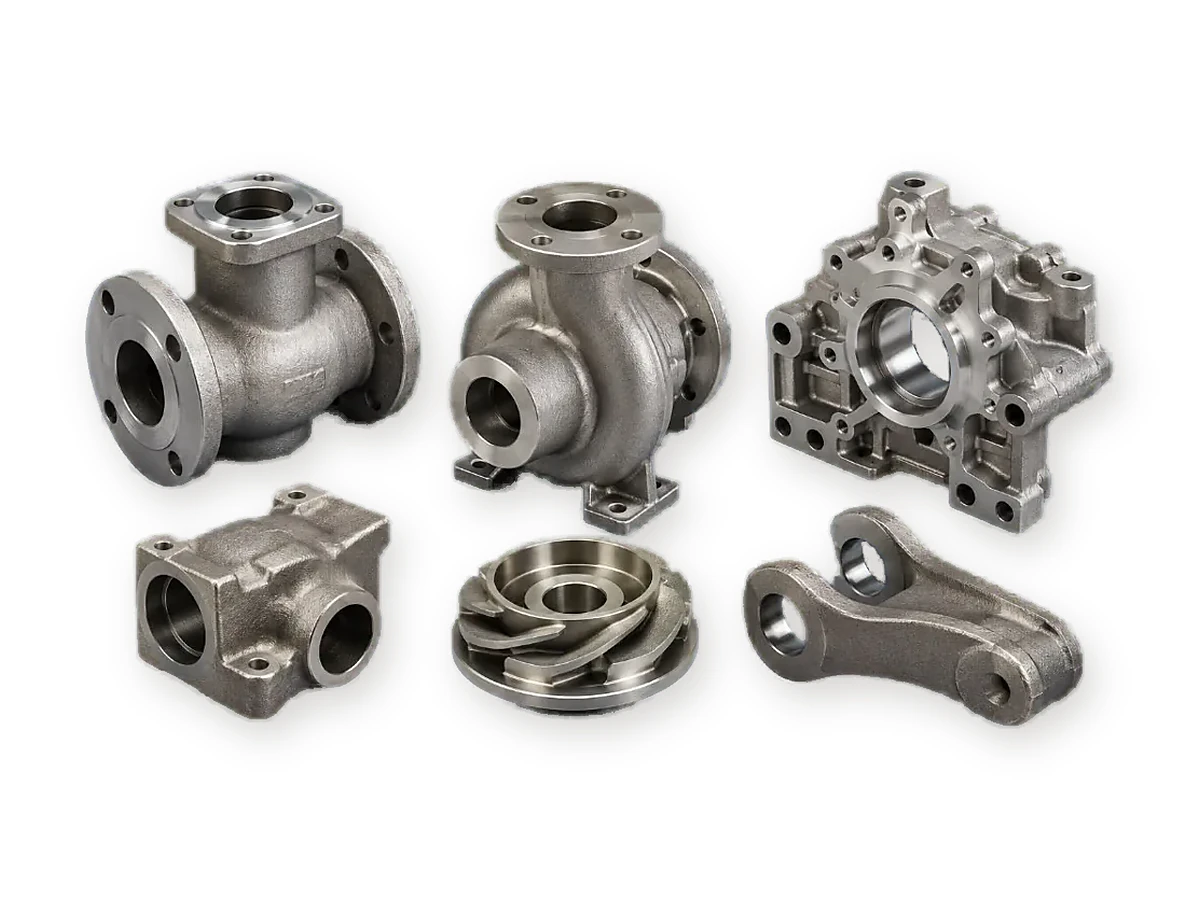
Brass, bronze, copper and stainless castings made to your drawing, delivered as cast or CNC machined and ready to assemble.
Indicative price from
$4 /kg
Alloy × process pages for this industry.
Castings for renewable energy & energy storage
Renewable-energy and energy-storage projects — solar farms, wind turbines, hydro plants, battery energy storage systems (BESS) and EV-charging networks — use a large number of non-ferrous castings and machined parts: grounding and bonding clamps, lightning-protection components, cable lugs and connectors, busbar terminals, charging-connector contacts, bearing bushes and corrosion-resistant housings. They are made from copper, bronze, brass, silicon bronze, stainless steel and aluminum, and they must conduct reliably, survive decades outdoors and meet the safety standards of fast-growing, heavily regulated markets.
This guide describes the castings and machined components used across renewable generation and storage, the alloys chosen and why, the standards buyers reference, inspection and documentation, design tips and how to order. Conex Casting Foundry in Jamnagar produces electrical, grounding and engineering castings with in-house CNC machining and exports to more than 34 countries.
A utility-scale solar farm contains tens of thousands of bonding points. Module frames, mounting rails and steel structures must be bonded together and connected to an earthing grid, and the DC and AC cabling needs lugs, terminals and connectors in combiner boxes, inverters and transformers. Typical cast and machined parts include grounding and bonding clamps, lay-in lugs, ground-rod clamps, rail bonding clips, terminal lugs and connector bodies. Corrosion resistance matters because plants are often built in deserts, coastal areas or humid regions, and connections are expected to last for the full plant life without maintenance.
Wind turbines need lightning-protection components (receptors, down-conductor connectors and earthing clamps), bronze bushings and wear parts in pitch and yaw systems and in auxiliary mechanisms, copper and bronze parts for slip rings and current transfer, cooling-system fittings, and stainless and aluminum housings. Offshore turbines add marine-grade materials such as nickel aluminum bronze, copper-nickel and duplex or austenitic stainless steel.
Hydro plants use large bronze bushings for wicket gates and guide vanes, bronze or aluminum bronze wear rings and seal components, stainless steel runner parts and fittings, copper grounding systems and cooling-water fittings in bronze or copper-nickel.
Containerized BESS units connect thousands of cells into modules and racks through copper and aluminum busbars, terminal connectors, cable lugs and fuse and breaker terminals. Machined copper parts are typically tin or nickel plated. Aluminum castings are used for enclosures, cooling plates and brackets, and grounding hardware bonds racks and containers to earth.
Charging stations need contact pins and sockets in copper alloys (often silver plated), terminal blocks, cable glands, busbar terminals and aluminum or stainless housings. Fast chargers carry high currents, so contact materials and plating are critical.
| Part | Application | Typical alloys | Process |
|---|---|---|---|
| Grounding and bonding clamps, lay-in lugs | Solar, wind, BESS, substations | Bronze C83600, silicon bronze C87300, copper; tin-plated versions | Sand cast, machined |
| Ground-rod and acorn clamps | Earthing grids | Bronze, silicon bronze | Sand cast |
| Lightning-protection fittings | Wind turbines, solar plants, buildings | Copper, bronze, aluminum, stainless | Sand cast, machined |
| Cable lugs and terminal connectors | Inverters, combiner boxes, BESS | Copper C11000 / C81100, tin plated | Machined from bar or cast |
| Busbar terminals and links | BESS racks, inverters | Copper, aluminum 6101/6063 | Machined, plated |
| Charging-connector contacts | EV chargers | Brass CW614N, copper, beryllium copper; silver plated | Machined |
| Bronze bushings and wear rings | Wind pitch/yaw mechanisms, hydro wicket gates | C93200, C95400, C95800, CC493K | Centrifugal / continuous cast |
| Housings and enclosures | Chargers, junction boxes, BESS | Aluminum A356 / LM6 / LM25, CF8M | Gravity die, sand, investment |
Renewable projects are built where the resource is, not where the climate is gentle. The same clamp may be specified for a desert solar plant, a coastal wind farm and a tropical hydro station, yet each site attacks metal differently. A short review of site conditions at the design stage avoids early corrosion and costly replacement.
| Site condition | Main risk | Suitable choices |
|---|---|---|
| Desert and arid sites | Dust abrasion, high temperature cycling, UV | Bronze and silicon bronze clamps, stainless fasteners, spring washers to hold clamp force through daily cycles |
| Coastal and offshore | Salt spray, chlorides, galvanic corrosion | Bronze, silicon bronze, nickel aluminum bronze, 316 / CF8M stainless; avoid high-zinc brass |
| Tropical and humid | Constant moisture, biological growth | Bronze, copper, tin-plated parts, sealed joints |
| Agricultural land (agri-PV) | Ammonia from fertilizers and livestock | Avoid brass (stress-corrosion cracking); use bronze or stainless |
| Acidic or saline soils | Corrosion of buried earthing hardware | Copper and high-copper bronze connectors, adequate cross-section |
A large solar plant may need hundreds of thousands of clamps, installed by crews working quickly in difficult conditions. Small design and supply details have a big effect on installation speed and quality: captive bolts that cannot be dropped, clearly marked conductor ranges, consistent thread quality so nuts run on freely, and packs counted to match installation units. Bronze and copper castings with smooth, consistent threads and machined seats reduce rework, and supply in clearly labeled cartons by item and block avoids confusion on site. For battery-storage and charging projects, plated terminals should be protected from scratches and stored dry until installation.
Product certifications (for example UL listing or IEC type testing) normally belong to the brand owner of the finished product. The foundry supports certification by maintaining consistent material, dimensions, plating and traceability, and by providing documentation for the certification file.
| Check | Why it matters |
|---|---|
| Spectrometer analysis per melt | Confirms alloy and controls lead and other restricted elements |
| Conductivity measurement | Verifies copper parts and lugs meet design values |
| Dimensional inspection and thread gauging | Ensures fit on rails, rods, conductors and terminals |
| Plating thickness | Tin, nickel or silver thickness as specified for contact life |
| Mechanical tests and hardness | Clamp strength and consistency |
| Salt-spray or corrosion testing (on request) | Demonstrates coating or alloy performance for coastal projects |
| Traceability marking | Batch or heat marks to support certification and field service |
Material test certificates to EN 10204 3.1 and dimensional reports are standard; additional reports are supplied as required, under an ISO 9001:2015 quality system.
Many renewable-energy buyers, especially in Europe and North America, ask suppliers for declarations under RoHS and REACH and for information about lead content. Leaded brasses and bronzes are still allowed in many electrical uses under exemptions, but some projects prefer lead-free alloys such as silicon bronze or lead-free brass. State any restricted-substance requirements at the enquiry stage so that the alloy and documentation can be aligned.
Conex casts copper, bronze, brass, silicon bronze, aluminum and stainless steel at its foundry in Jamnagar, Gujarat, using sand, shell, gravity die, low-pressure, pressure die, investment, centrifugal and continuous casting, and machines castings in-house. Grounding and bonding clamps, lay-in lugs, ground-rod clamps and electrical connectors are established product lines. Inspection and material test certificates are provided under an ISO 9001:2015 quality system, and the company exports to more than 34 countries from its Nariman Point, Mumbai head office.
Every order can be supplied with a material test certificate to EN 10204 3.1 linking each heat to the parts delivered, a dimensional inspection report for first articles and production samples, and test reports for any pressure, hardness, conductivity or non-destructive tests specified on the order. Parts are marked and packed so that each lot can be traced back to its certificate.
Solar plants use copper and aluminum earthing clamps, cable lugs and busbar connectors in combiner boxes and inverter stations. Wind turbines use bronze bushes in pitch and yaw systems, copper and brass parts in slip rings and generator connections, and earthing fittings in towers. Small hydro plants use bronze guide bearings, wear rings and nickel aluminum bronze runner parts. Battery energy storage systems use copper and brass busbar connectors, terminals and earthing parts sized for high continuous currents. In every case the castings must be conductive, dense and corrosion resistant outdoors.
Conex casts copper-base alloys, aluminum and stainless steel in Jamnagar, Gujarat, by sand, shell, gravity die, low-pressure, pressure die, investment, centrifugal and continuous casting, machines parts in-house on CNC equipment, works under an ISO 9001:2015 quality system with inspection reports and material test certificates, and exports to more than 34 countries.
Questions buyers ask
Copper and bronze earthing and connection hardware, and corrosion-resistant fittings.
Yes, material certificates and inspection reports on request.
Grounding and bonding clamps, lay-in lugs, ground-rod and acorn clamps, cable lugs, terminal connectors and custom clamps for rails and structures.
Bronze clamps are strong and very corrosion resistant; tin-plated copper or bronze is preferred where the clamp touches aluminum rails or galvanized steel, to limit galvanic corrosion.
Yes, to your certified design. The certification belongs to the product owner; Conex supplies consistent castings with documentation to support it.
Yes. Centrifugal and continuous-cast bronze and aluminum bronze bushings and wear rings are machined to drawing.
Yes. Copper terminals and connectors can be machined and tin or nickel plated to your specification.
Material declarations can be provided on request based on the alloys used; specify the requirement at the enquiry stage.
Yes. Staged deliveries with project-specific packing and labeling can be agreed in the order.
Drawings or samples, alloy and plating, quantities and schedule, required tests and certification support, and packing instructions.
Yes, to the customer's drawing.
Yes, where specified.
The customer's finished product holds the listing; we supply castings and documents.
Copper alloys, bronze, brass and aluminum.
Yes.
Send your drawing, get a quotation.
DWG, PDF, STEP or a sample photo — with quantity and destination port.
Conex Export Desk
Talk to our export team
Working on a new casting? Tell us the part and we'll connect you with the right engineer today.