Ground Rod & Acorn Clamps
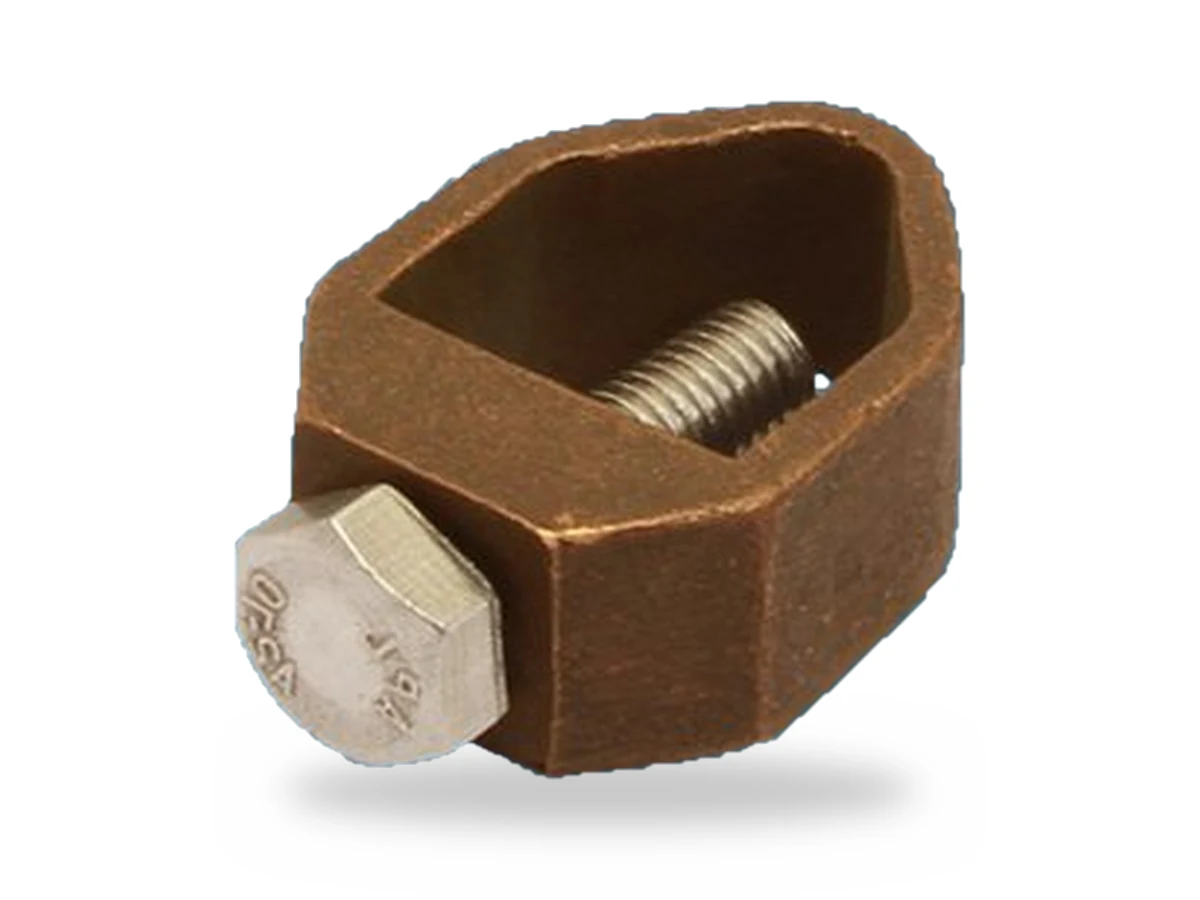
Cast bronze ground-rod clamps and acorn clamps that connect earthing conductors to ground rods.
Indicative price from
$9 /kg
Industry · Buildings & Infrastructure
Builders' hardware, architectural bronze and decorative castings.
Products for construction & architectural hardware
Cast bronze ground-rod clamps and acorn clamps that connect earthing conductors to ground rods.
Indicative price from
$9 /kg
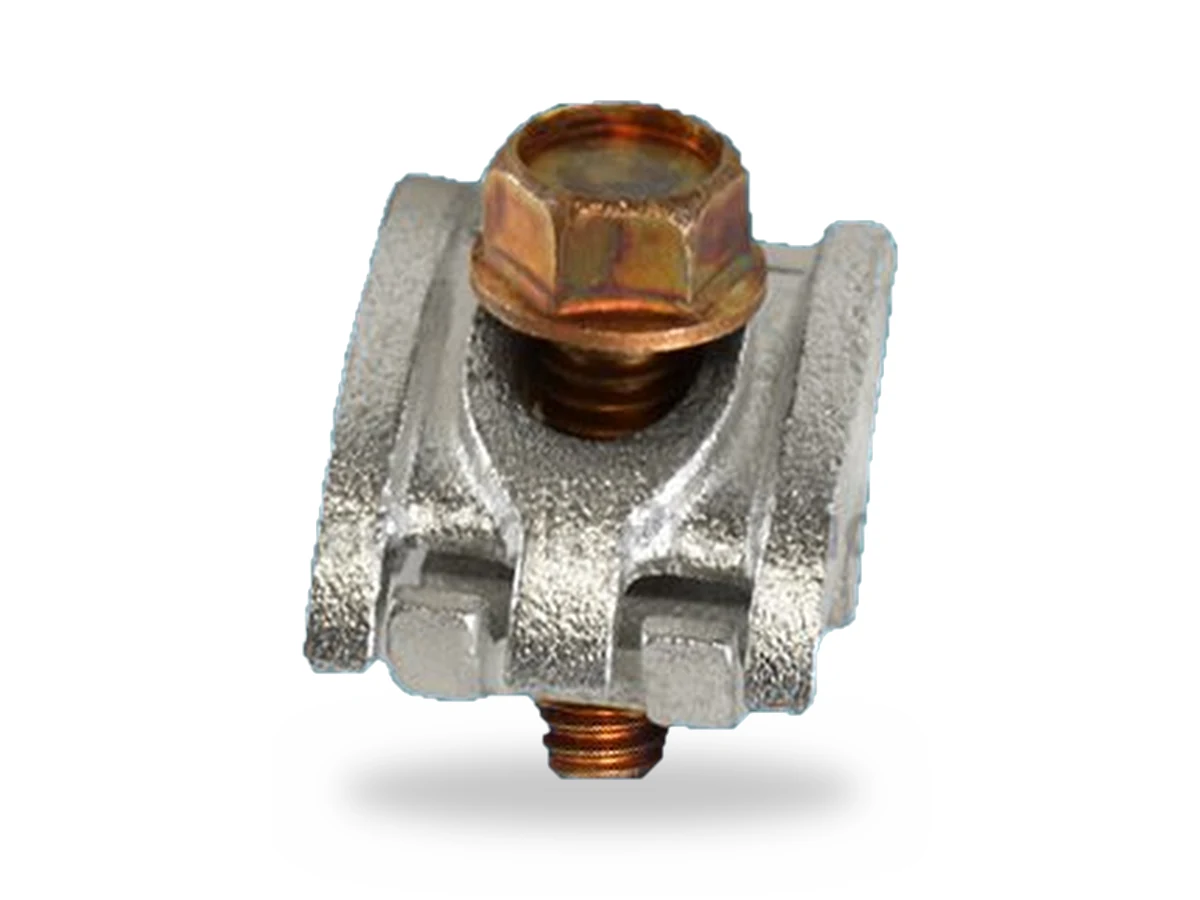
Cast bronze bonding clamps that connect pipes, tapes and conductors to the earthing system.
Indicative price from
$9 /kg
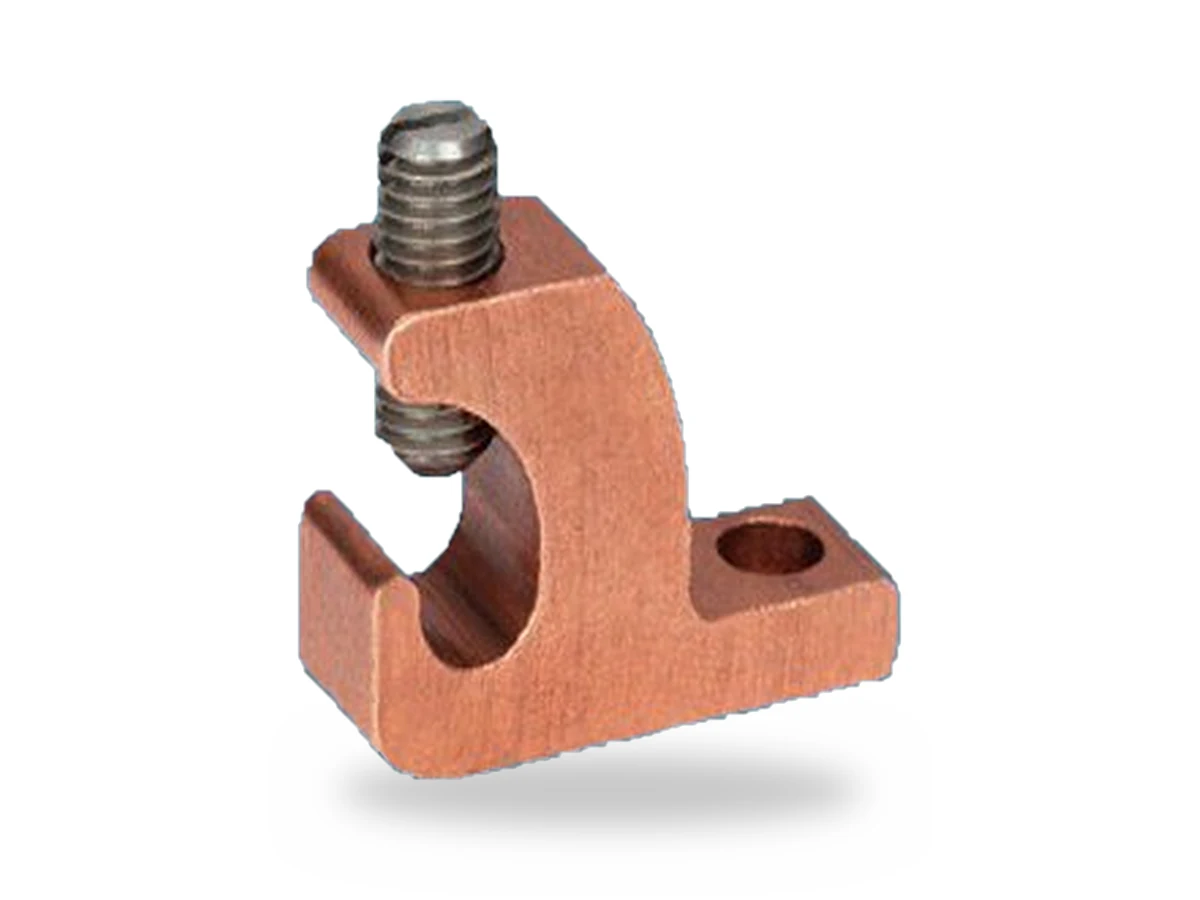
Cast bronze lay-in grounding lugs that let a continuous conductor pass through without cutting it.
Indicative price from
$9 /kg
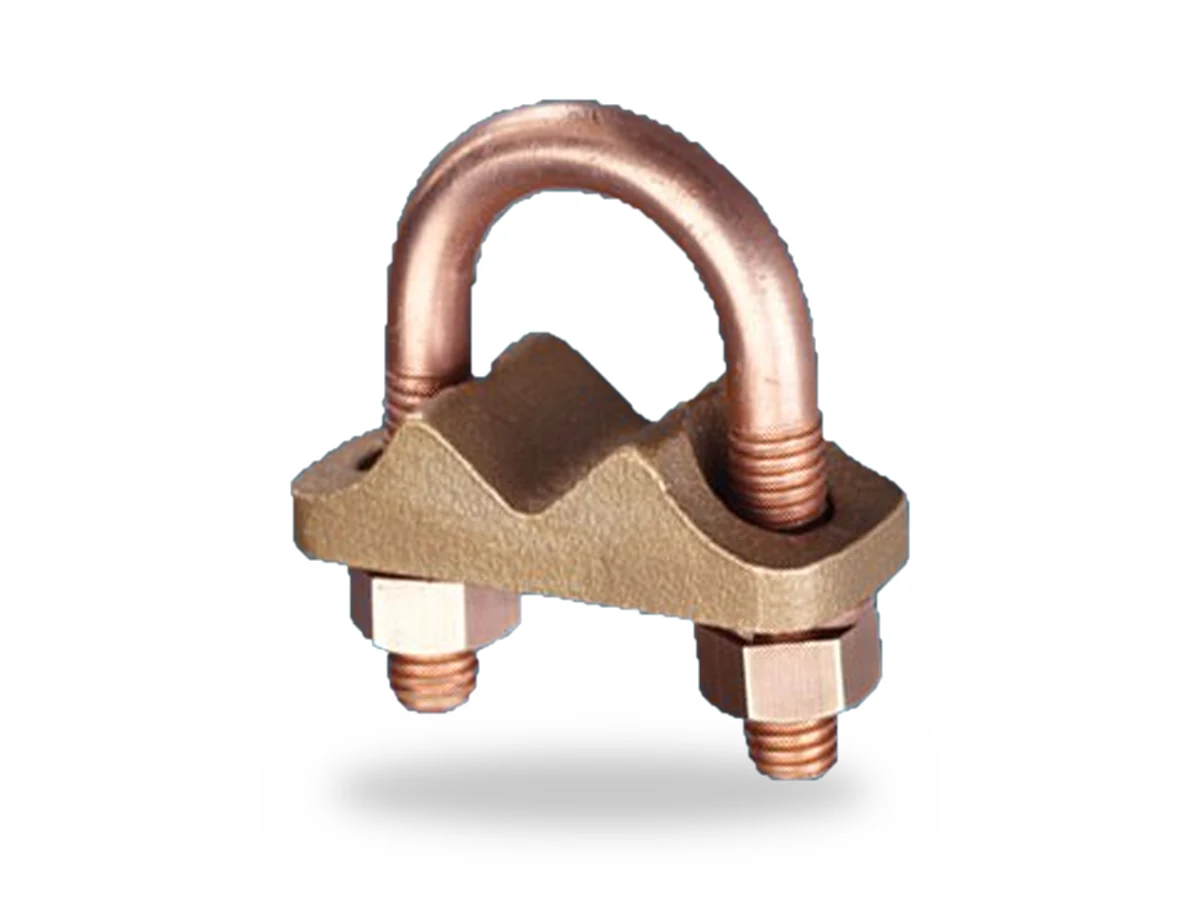
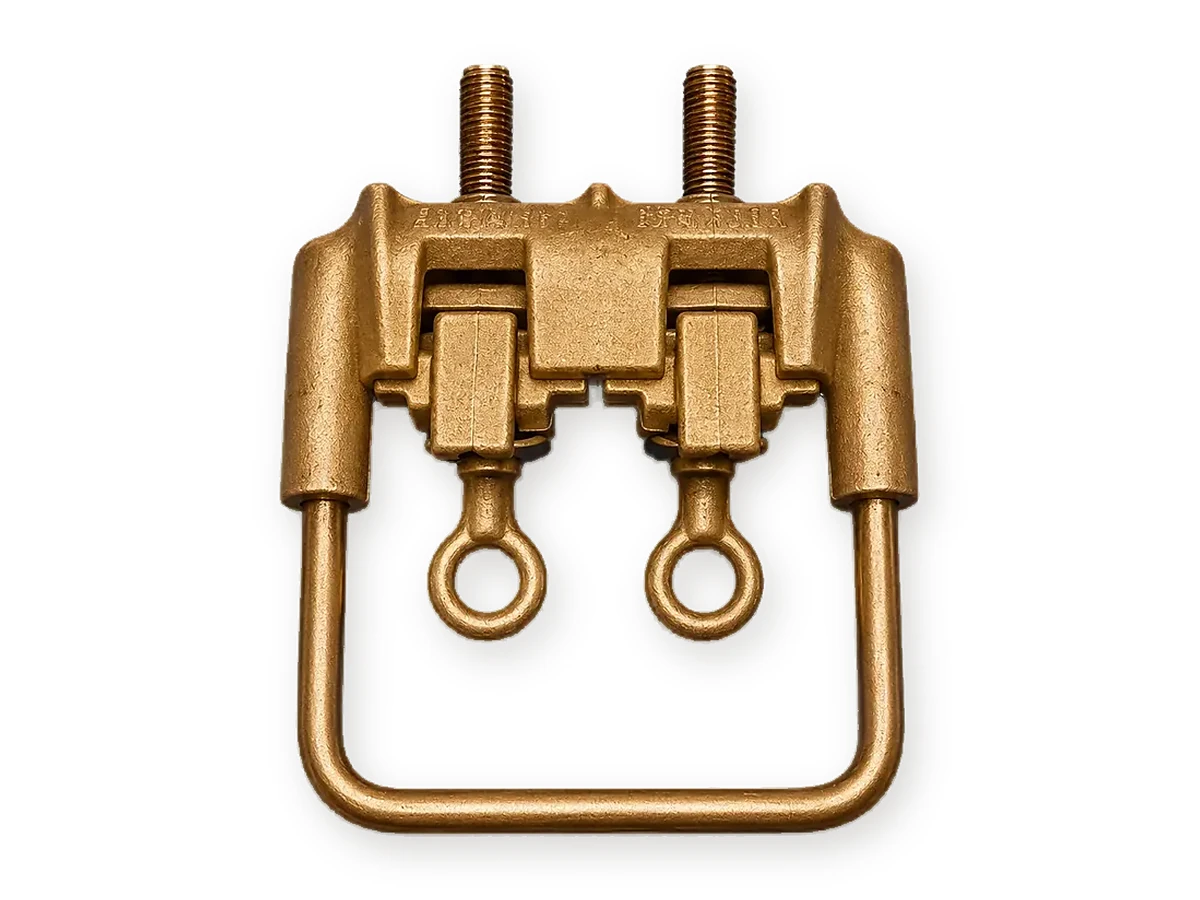
Cast bronze U-bolt grounding clamps for rod-to-conductor and pipe-to-conductor connections.
Indicative price from
$9 /kg
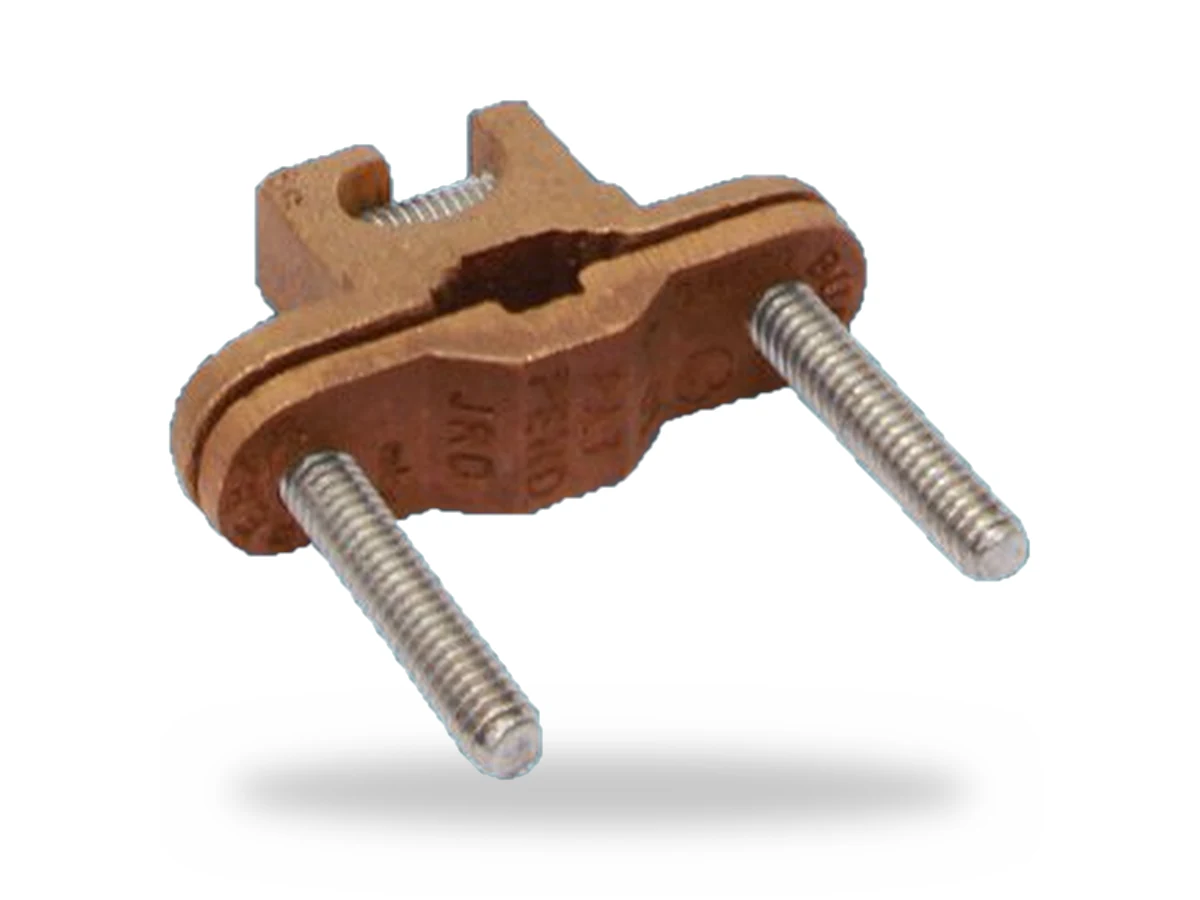
Cast bronze rebar clamps that bond concrete reinforcement to the grounding conductor.
Indicative price from
$9 /kg
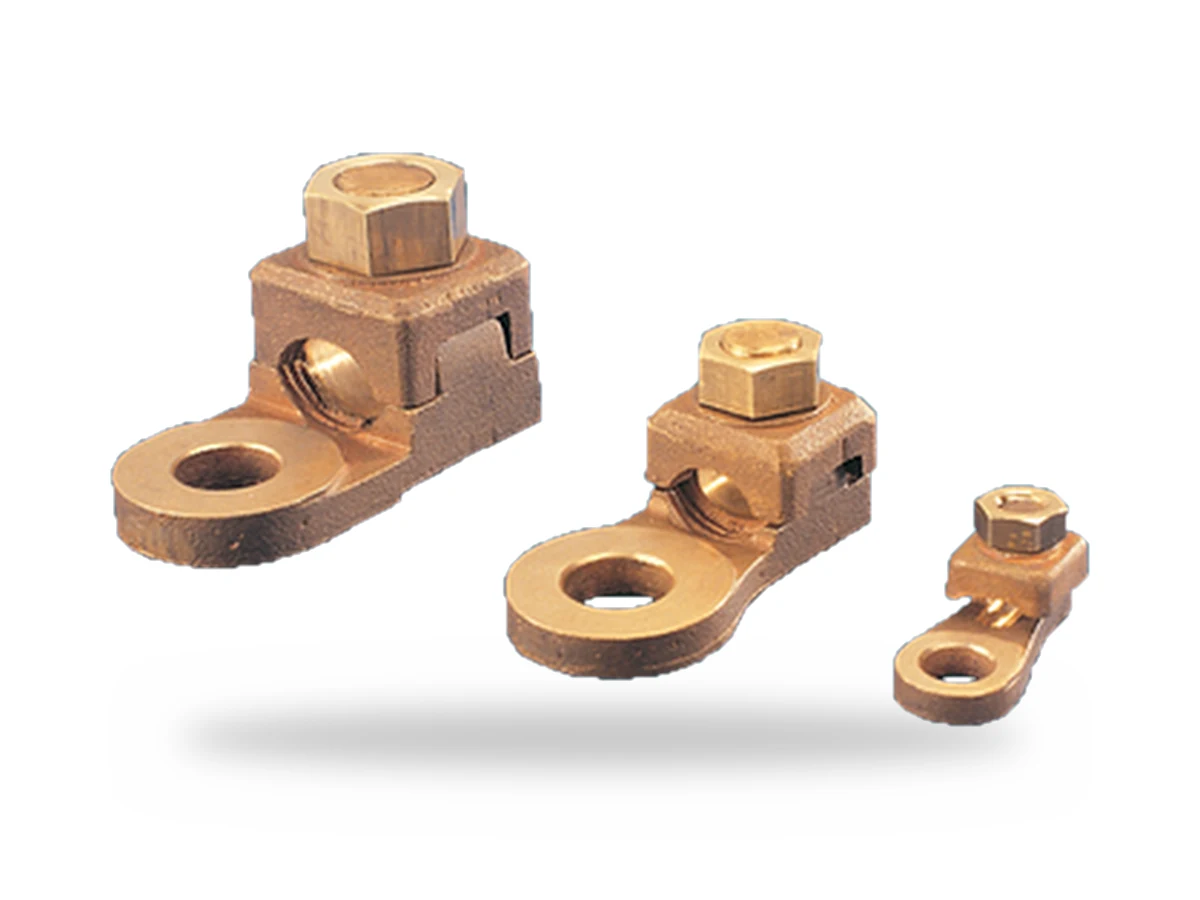
Cast mechanical ground lugs for transformers and electrical equipment, machined and supplied with screws.
Indicative price from
$9 /kg
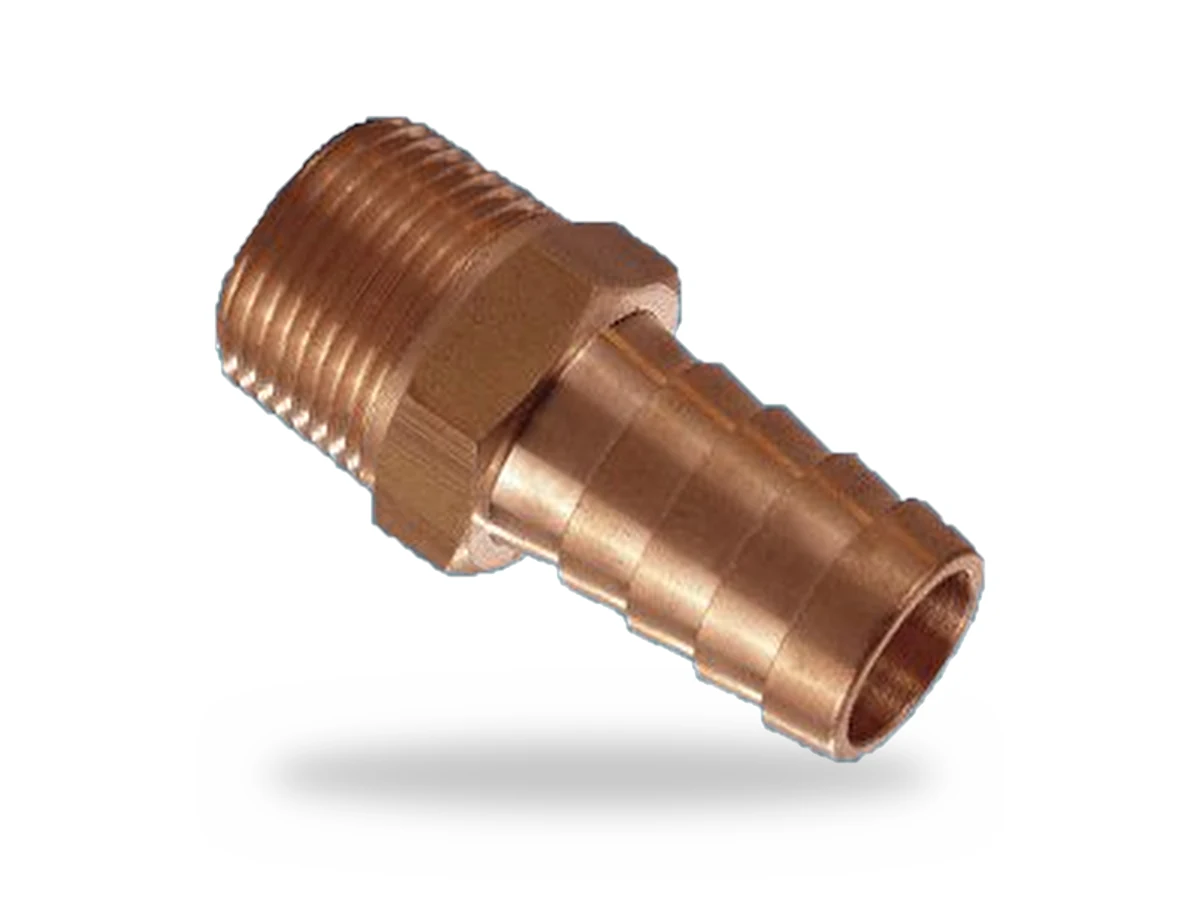
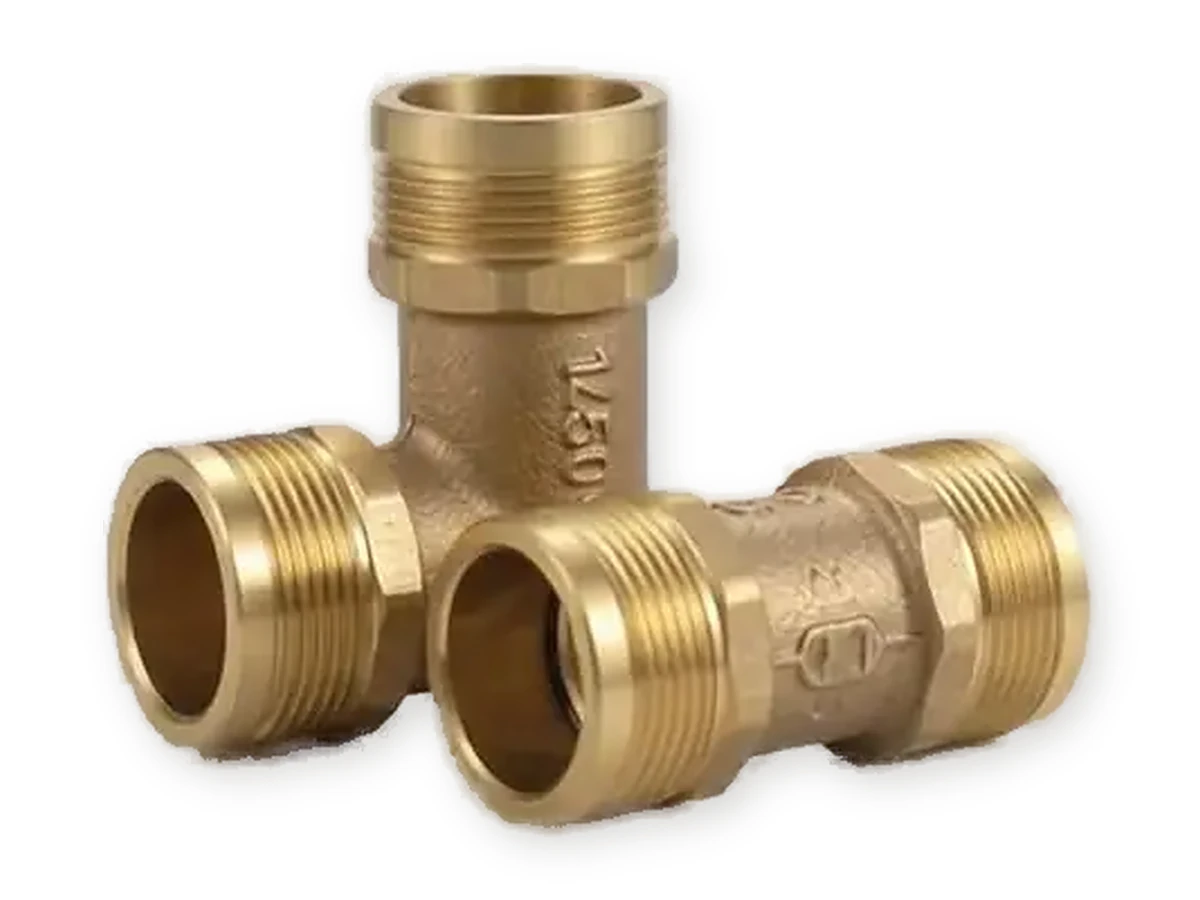
Bronze hose tails, stainless hose barbs and threaded hose nipples, cast and machined to your hose size.
Indicative price from
$9 /kg
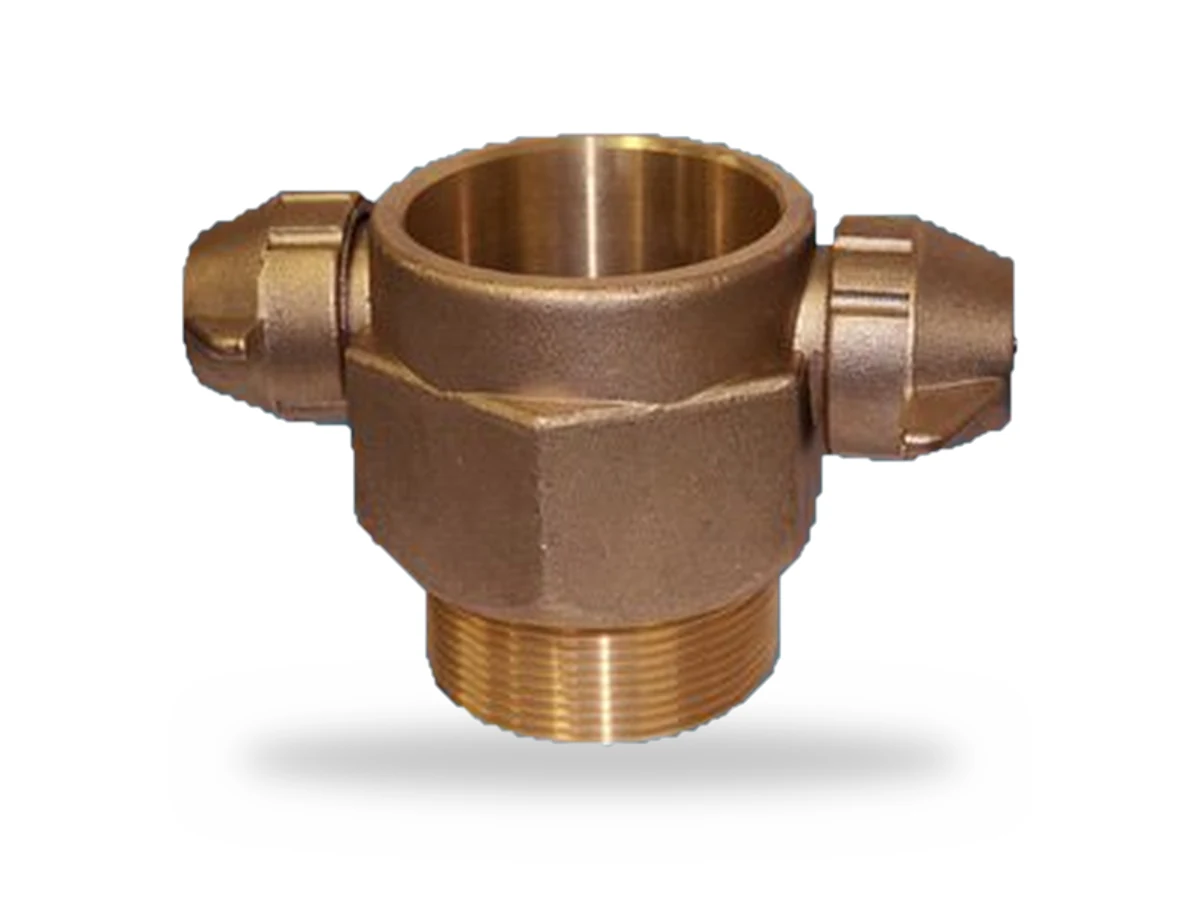
Cast gunmetal, brass and aluminum fire hose couplings and adapters to IS, BS, Storz and instantaneous patterns.
Indicative price from
$9 /kg
Alloy × process pages for this industry.
Castings for construction & architectural hardware
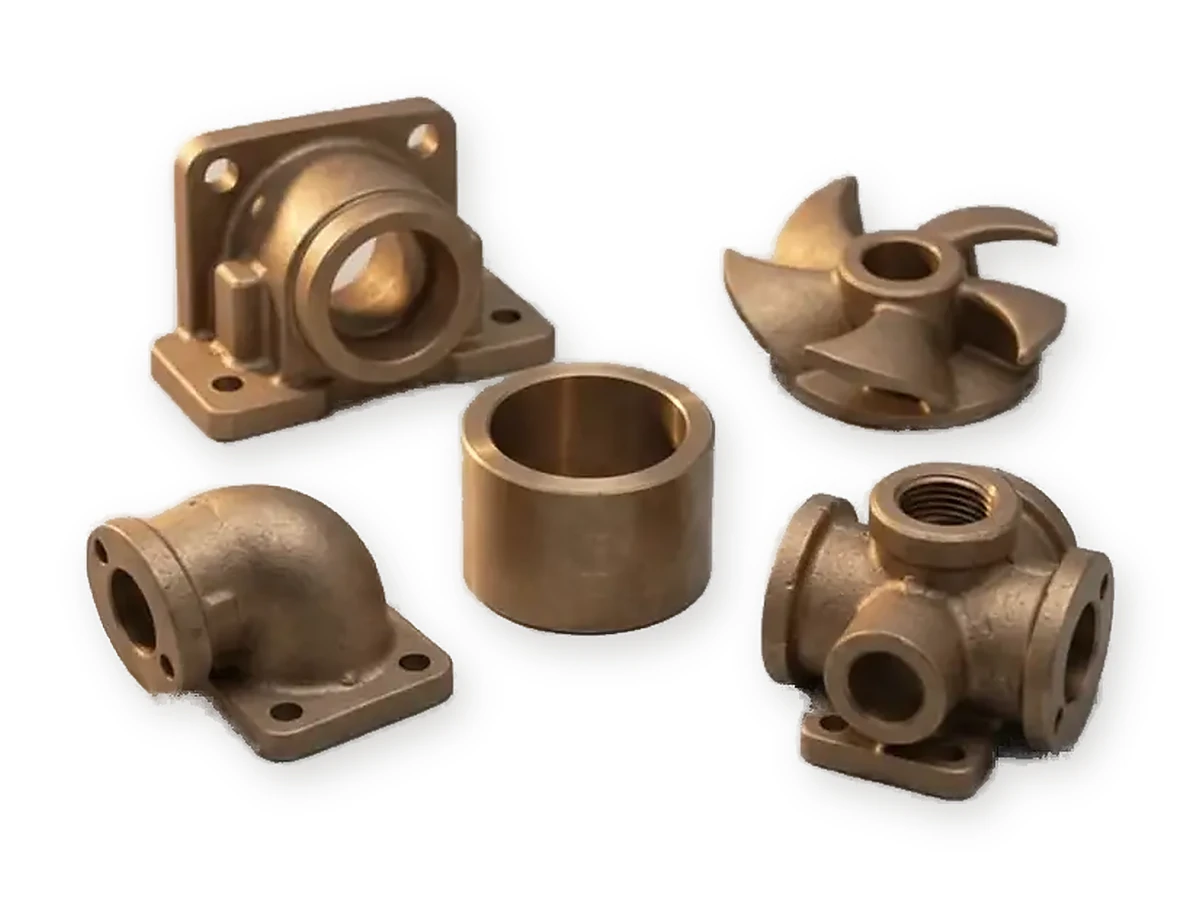
Architects, building contractors, façade engineers and hardware brands buy brass, bronze, stainless steel and aluminum castings for the parts people see and touch every day in a building, and for structural and functional parts hidden behind walls and glass: door and window hardware (handles, pulls, knobs, hinges, locks, kick plates), glass-façade spider fittings and patch fittings, balustrade and railing fittings, bollards and column bases, grilles and decorative panels, plaques and lettering, expansion-joint parts, earthing and lightning-protection fittings, and anchor and fixing parts. These castings combine appearance with strength and long-term durability, often for decades outdoors or in heavy public use.
This guide explains which castings the construction and architectural hardware sector buys from a non-ferrous foundry, the alloys used and why, finishes, standards, inspection and documents, design tips and how to order. Conex Casting Foundry in Jamnagar, Gujarat, casts brass, bronze, stainless steel and aluminum by sand, gravity die, pressure die and investment casting, machines and finishes parts in-house on CNC lines, and exports to more than 34 countries.
Lever handles, pull handles, knobs, escutcheons, hinges, pivots, floor springs, door closer parts, lock cases, cylinders and window fasteners are made in brass, bronze, stainless and aluminum. Solid brass and bronze hardware is chosen for premium residential, hospitality and heritage projects because of its weight, feel and finish; stainless is preferred for high-traffic commercial and hospital doors; aluminum suits lightweight, cost-sensitive and anodized designs. Brass has an added advantage on frequently touched surfaces: copper alloys are naturally antimicrobial.
Structural glazing systems use stainless steel spider fittings, routels (articulated bolts), patch fittings, clamps and canopy brackets to hold glass panels. These parts carry wind and dead loads and must be strong, precise and corrosion resistant outdoors. Investment-cast CF8M stainless is standard, machined and polished or satin finished.
Glass clamps, standoffs, handrail brackets, post bases, end caps, elbows and connectors for glass and steel balustrades are cast in stainless steel, brass or bronze. They must carry the loads specified by building codes for barriers and handrails.
Bollards, tree grilles, drainage grates, column bases, lamp-post parts, signage frames and benches use bronze, brass, stainless and aluminum castings, often in custom designs for public spaces and premium developments.
Bronze plaques, lettering, emblems, grilles, decorative panels, statues and replicas of heritage fittings are cast for monuments, institutions, temples, hotels and restoration projects. Sand casting and investment casting reproduce fine detail, and patinated, polished or antique finishes give the desired look.
Earthing and lightning-protection systems use cast copper and bronze clamps, test clamps, rod couplers, air-terminal bases and bonding fittings. Expansion-joint covers, cable-tray fittings and anchor components use brass, bronze, aluminum and stainless.
| Part | Typical alloys | Process |
|---|---|---|
| Door handles, pulls, knobs | Brass CW617N / C37700, bronze C83600, CF8M / CF8 stainless, aluminum LM6 / LM25 | Gravity die, investment or pressure die cast, forged, machined, polished |
| Hinges, pivots and floor-spring parts | Brass, bronze, CF8M, aluminum bronze for heavy doors | Cast or forged, machined |
| Glass spider and patch fittings | CF8M / CF3M (316 cast), duplex stainless | Investment cast, machined, polished |
| Balustrade clamps, standoffs, brackets | CF8M, brass, bronze | Investment or gravity cast, machined |
| Bollards, grilles, column bases | Bronze C83600 / C84400, aluminum A356, CF8M | Sand cast, finished |
| Plaques, lettering, decorative panels | Bronze C83600 / C92200, brass, aluminum | Sand or investment cast, finished, patinated |
| Earthing and lightning-protection fittings | Bronze, gunmetal, copper, aluminum bronze | Sand cast, machined |
| Anchors and fixing parts | CF8M, brass, aluminum bronze | Investment or sand cast, machined |
The most common metal for decorative hardware. Brass casts and machines well, takes a high polish and accepts plating (chrome, nickel, PVD gold, matt black) and lacquered or living finishes. Solid brass hardware feels substantial and lasts for decades indoors. Outdoors and in coastal areas, ordinary brass can tarnish and dezincify; DZR brass, bronze or stainless is a better choice for exposed parts.
Architectural bronze (tin bronze, gunmetal and silicon bronze) has a warmer color and better outdoor corrosion resistance than brass. It develops an attractive brown or green patina, or can be kept bright with waxing or lacquer. Bronze is the material of choice for plaques, sculptures, heritage replicas and premium exterior hardware. Silicon bronze is particularly suitable for marine-environment hardware and welded fabrications.
CF8M (cast 316) is the standard for glass fittings, balustrades and exterior hardware, especially in coastal, polluted or high-humidity environments. CF8 (cast 304) is acceptable indoors. Duplex stainless is used where higher strength or chloride resistance is needed, such as pool areas and seafront buildings.
Light and economical, aluminum castings suit window hardware, large grilles, bollards and lighting parts, and can be anodized or powder coated in any color. Aluminum is softer and less resistant to vandalism than bronze or stainless.
Finish is as important as alloy in architectural work. Common finishes include:
A good finish starts with a good casting. Porosity, inclusions and cold laps show up clearly on polished and plated surfaces, so architectural castings need careful foundry practice and agreed cosmetic acceptance standards.
Many architectural castings carry real loads: glass fittings carry wind and glass weight; balustrade fittings must resist crowd loads; heavy door hinges and pivots carry door weight and impact. These parts should be designed and tested to the loads defined in building codes and façade engineers' calculations. Material certificates, load testing of samples, and consistent dimensions are essential.
Architectural assemblies often combine several metals: bronze handles on aluminum doors, stainless glass fittings on steel structures, brass hardware fixed with steel screws. Where dissimilar metals touch in the presence of moisture, galvanic corrosion can attack the less noble metal. Aluminum is most at risk when in contact with copper alloys or stainless outdoors. Good practice includes:
Clients should know how each finish will age. Lacquered brass stays bright until the lacquer wears, then tarnishes unevenly where hands touch most. PVD coatings resist wear far better. Unlacquered brass and bronze darken naturally and evenly with use, a look many designers now prefer. Stainless needs occasional cleaning to remove deposits that cause tea staining in coastal or polluted air; a smoother finish (polished or fine satin) resists staining better than a coarse brush. Patinated bronze benefits from periodic waxing. Giving the client a short care guide with the hardware avoids disappointment and protects the project's appearance.
Brass, bronze, stainless steel and aluminum are all highly recyclable, and much architectural metal is made with a high recycled content. Long-lasting metal hardware reduces replacement over a building's life, supporting green-building goals. Projects pursuing green-building ratings may ask for recycled-content declarations and material information, which can be provided with the material certificates.
Conex works under an ISO 9001:2015 quality system and supplies material test certificates and inspection reports with orders.
Architectural projects often need custom hardware: a signature door pull for a hotel, matching bollards and plaques for a campus, or exact replicas of fittings for a heritage restoration. These projects start with design development and pattern making, followed by a prototype for approval, then production of the required quantity. Investment casting reproduces fine detail; sand casting suits larger pieces. Matching finishes across different parts made at different times needs controlled processes and retained finish samples.
Questions buyers ask
Silicon bronze, brass and yellow brass for appearance, corrosion resistance and easy finishing.
As-cast, machined, polished or other finishes as specified in your order.
Bronze or CF8M stainless for exterior and coastal use; brass is best indoors or with a protective finish.
Stainless steel spider, patch and clamp fittings can be investment cast, machined and polished to drawing.
Yes, from artwork or 3D models, in bronze, brass or aluminum, with polished, patinated or painted finishes.
Fittings can be reproduced from samples or photographs, with patterns made and a prototype approved before production.
Castings can be supplied machined and polished ready for PVD or plating, and finished parts can be arranged through finishing partners.
Copper and its alloys, including brass and bronze, are naturally antimicrobial on uncoated surfaces. Lacquers and plating reduce this effect.
Copper, bronze and gunmetal earthing clamps, test clamps and air-terminal bases can be cast and machined to drawing and standard.
Aluminum bollards, grilles and covers can be sand or gravity die cast, then powder coated or anodized.
Isolate the metals with nylon or EPDM washers and sleeves, use compatible fixings, and design joints to drain so water does not sit between them.
Send your drawing, get a quotation.
DWG, PDF, STEP or a sample photo — with quantity and destination port.

Conex Export Desk
Talk to our export team
Working on a new casting? Tell us the part and we'll connect you with the right engineer today.