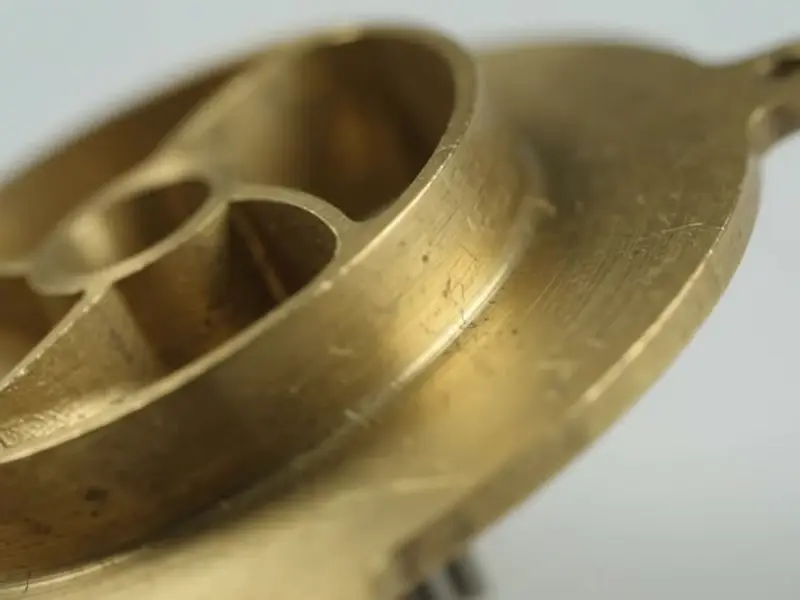
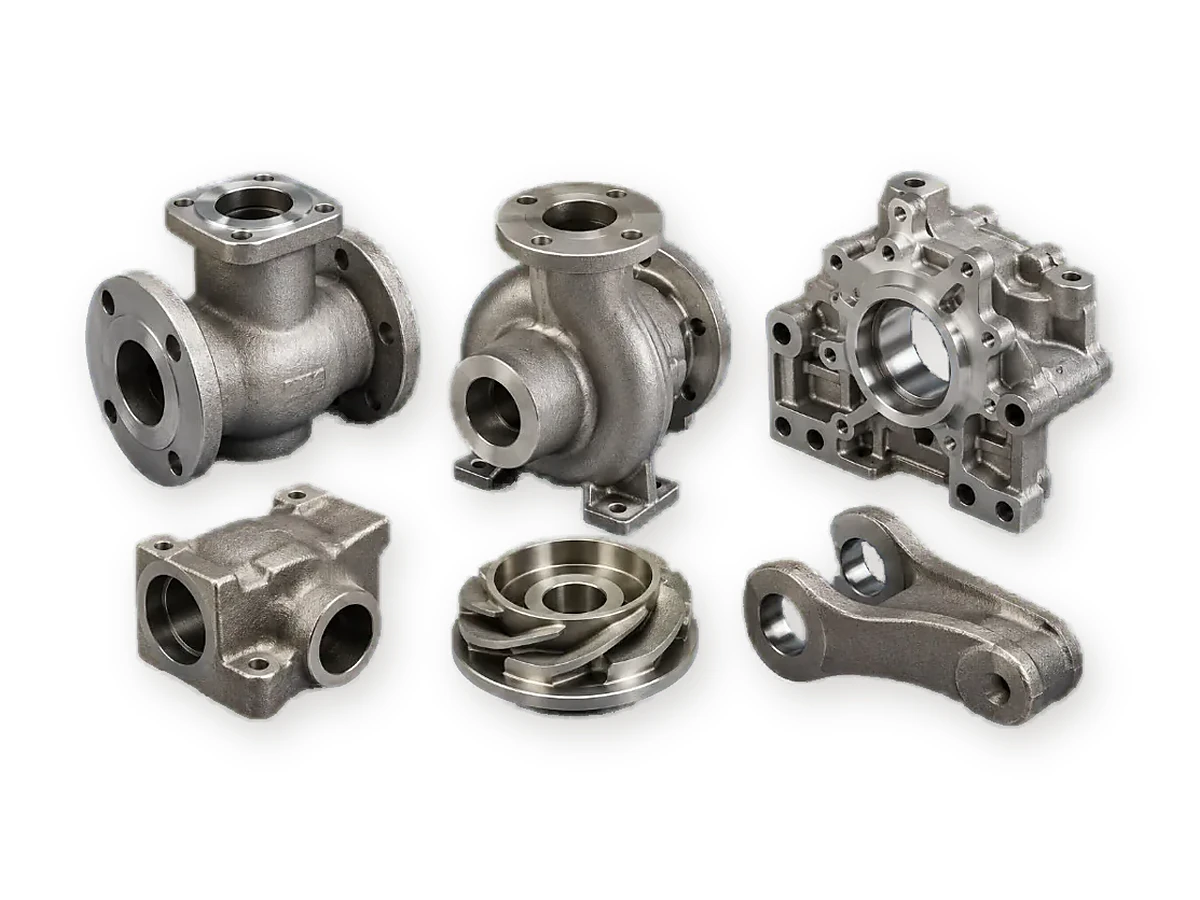
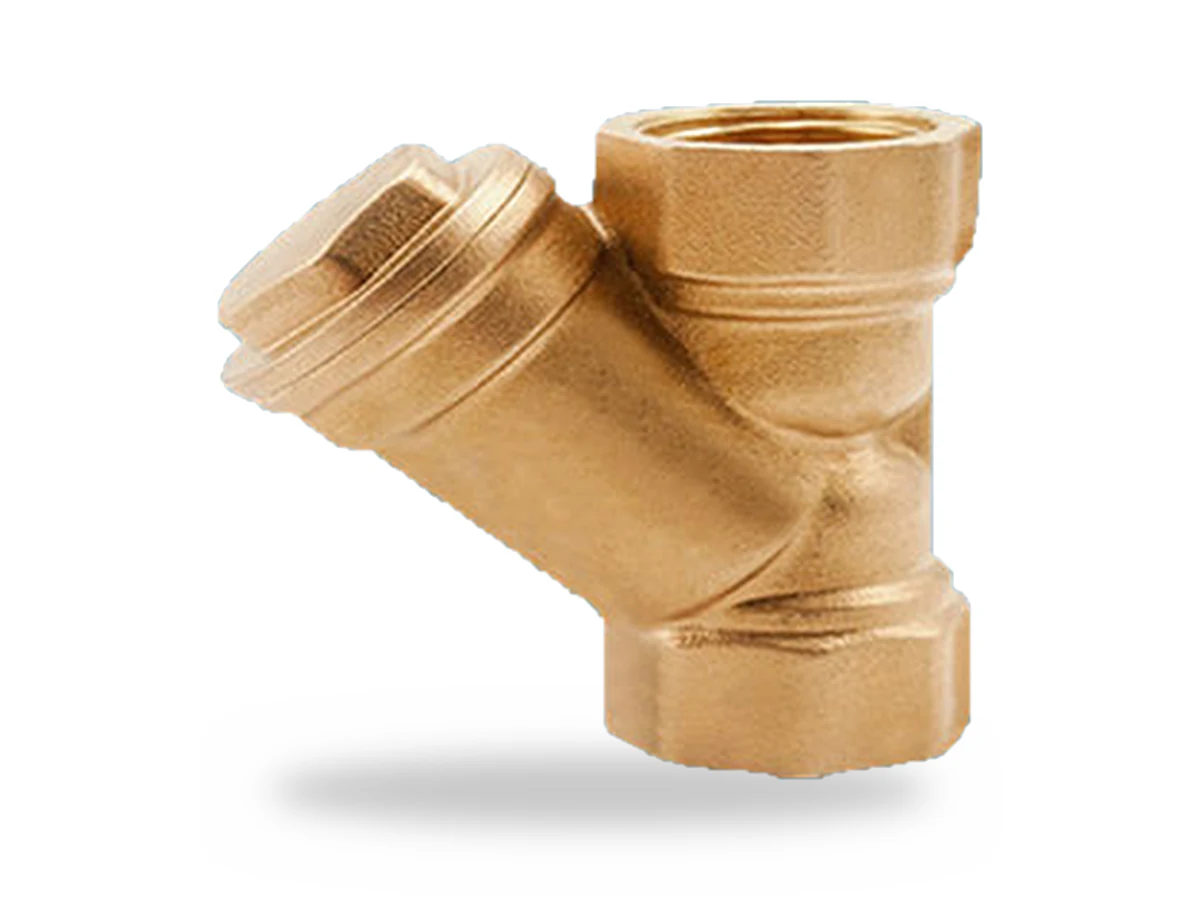
Y-Strainer Bodies
Cast bronze and stainless Y-strainer bodies that protect pumps, valves and meters from debris.
Indicative price from
$11 /kg
Industry · Transport & Machinery
Precision investment castings and non-sparking alloys built to specification.
Products for defence & aerospace
Cast bronze and stainless Y-strainer bodies that protect pumps, valves and meters from debris.
Indicative price from
$11 /kg
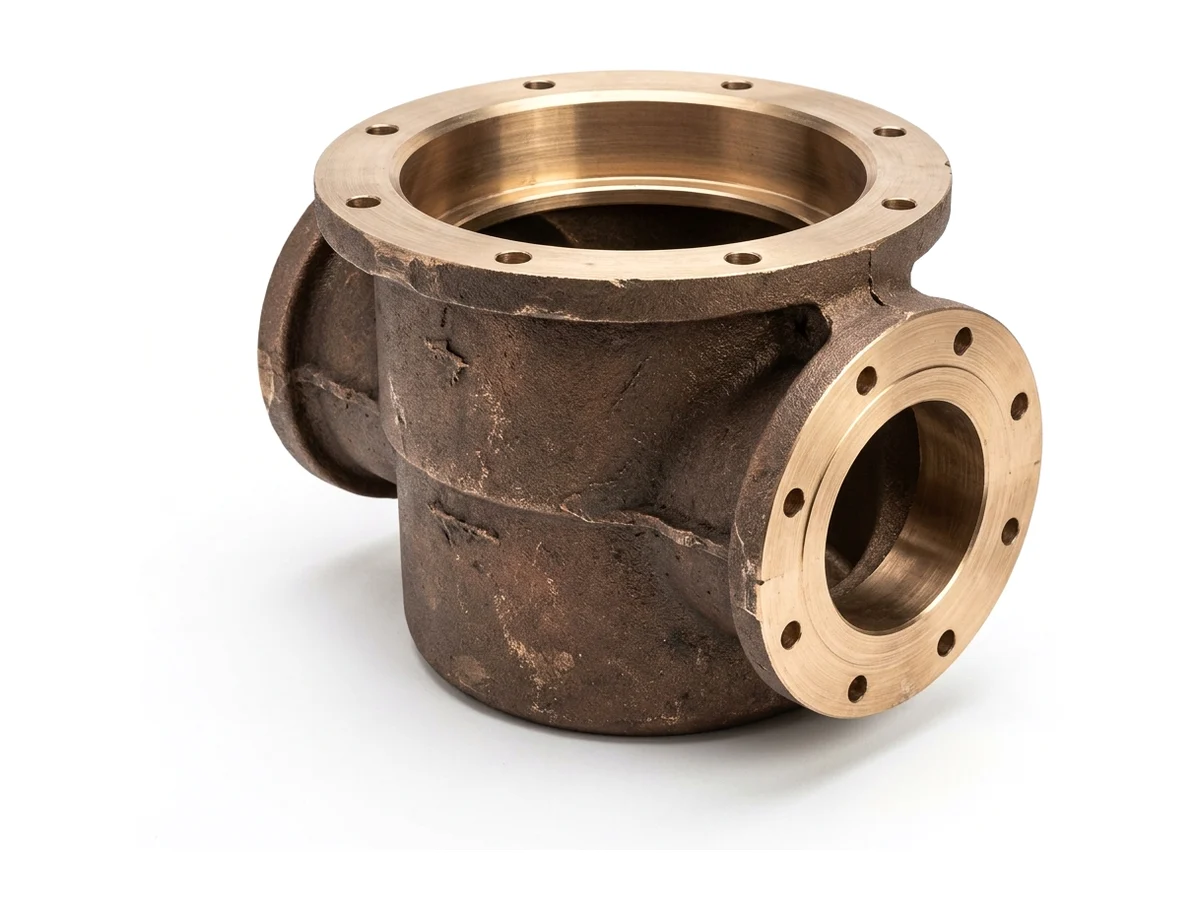 Representative image
Cast basket-strainer housings and covers in bronze and stainless for larger flow lines.
Indicative price from
$11 /kg
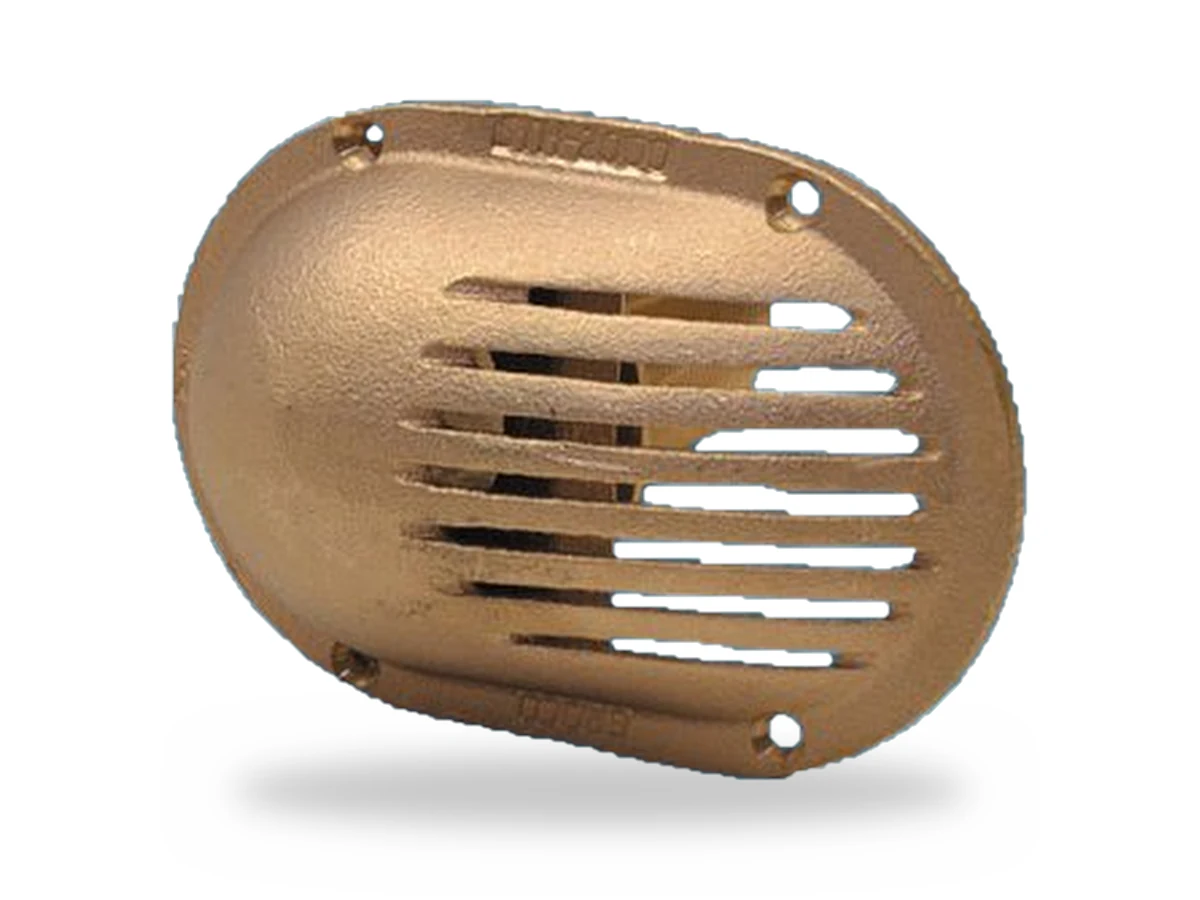
Cast bronze hull strainers and sea scoops that protect seawater intakes on boats and ships.
Indicative price from
$11 /kg
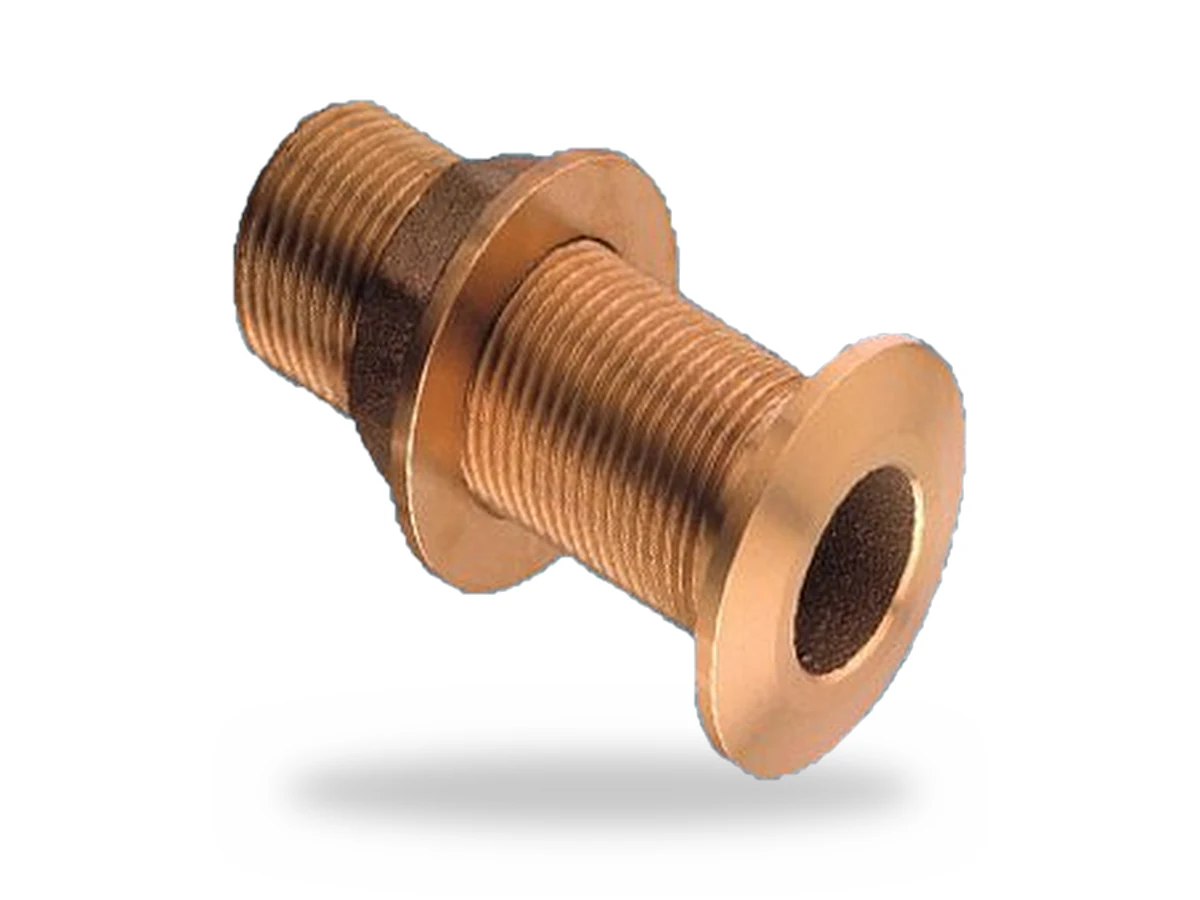
Cast bronze through-hull and skin fittings for seawater inlets and outlets below and above the waterline.
Indicative price from
$9 /kg
 Representative image
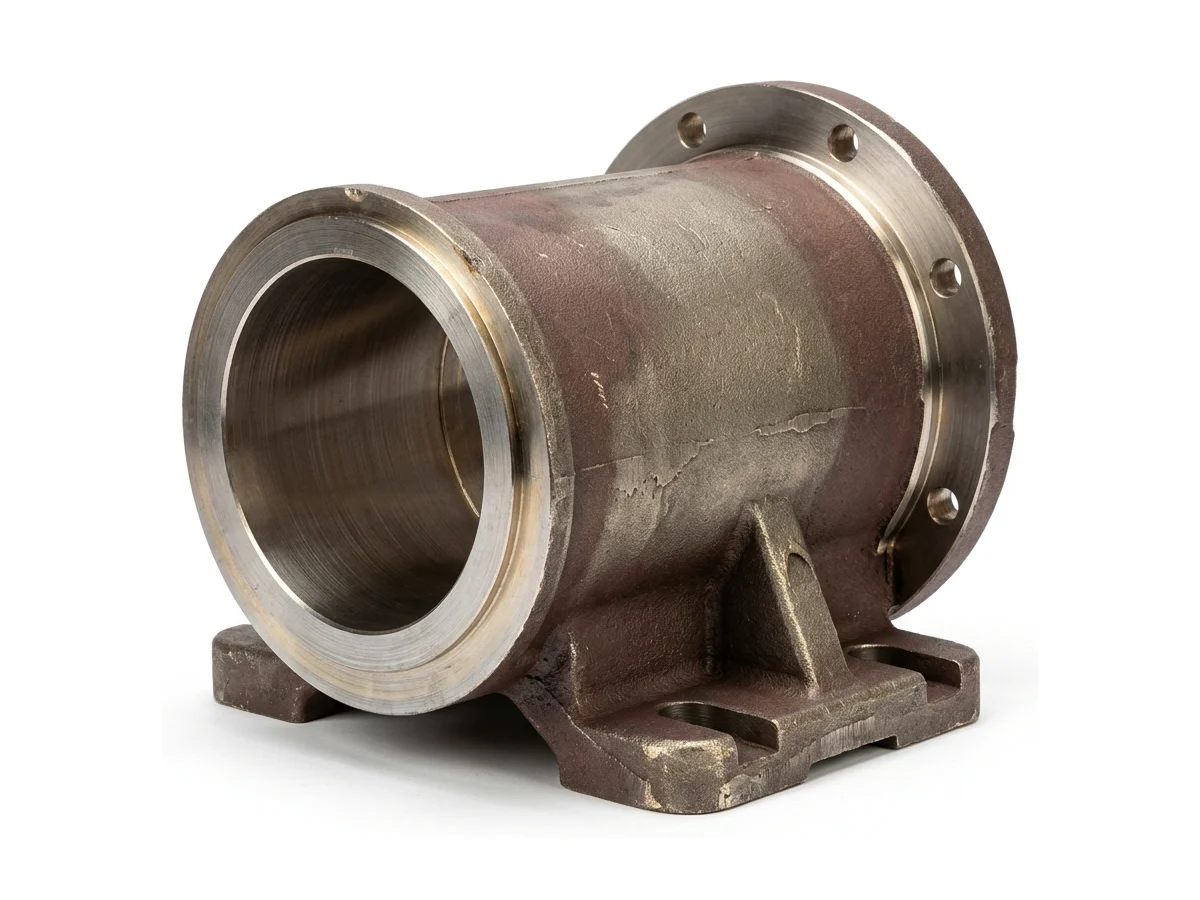
Cast bronze stern-tube and shaft-support bearing housings for propeller shafts.
Indicative price from
$11 /kg
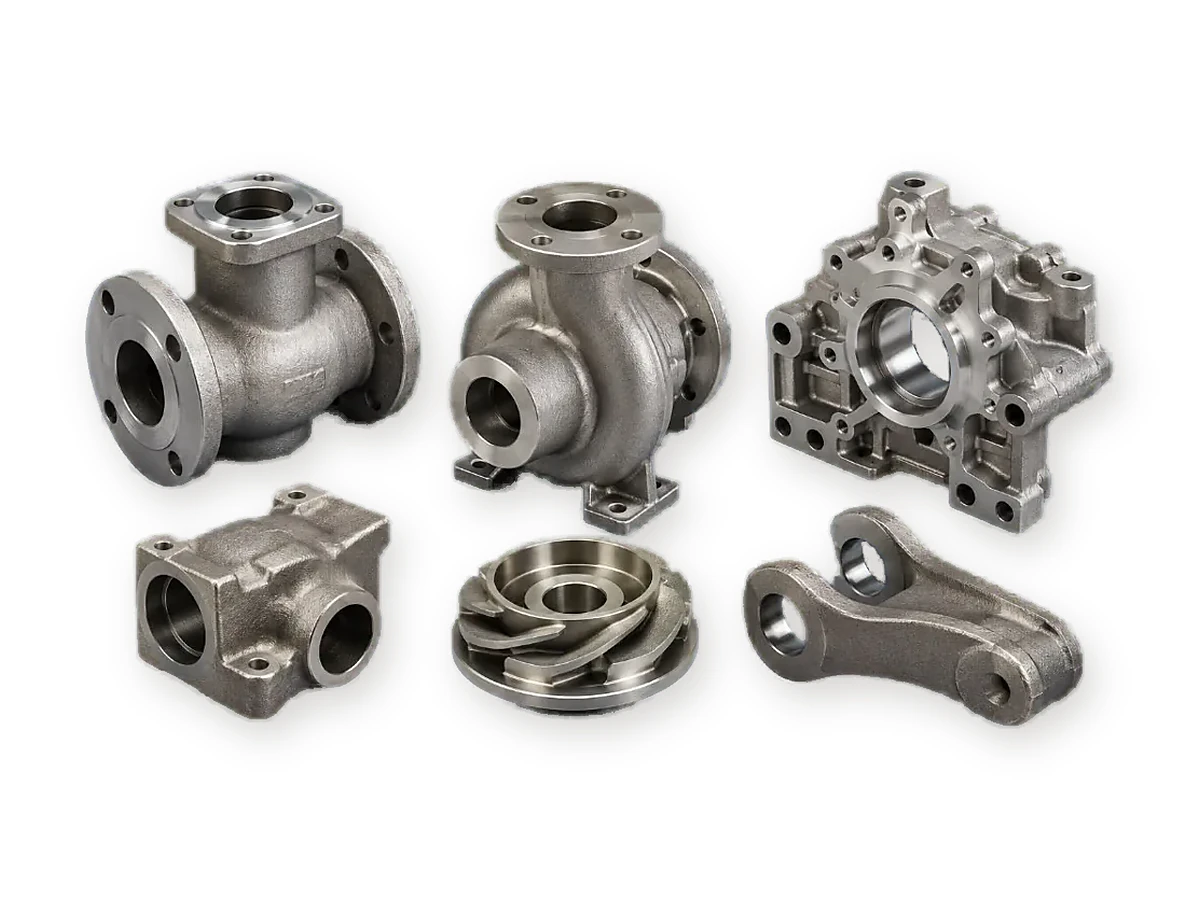
Brass, bronze, copper and stainless castings made to your drawing, delivered as cast or CNC machined and ready to assemble.
Indicative price from
$4 /kg
Alloy × process pages for this industry.
Castings for defence & aerospace
Defence and aerospace programs use non-ferrous and stainless castings and machined parts where strength, corrosion resistance, low magnetism, non-sparking behavior, bearing performance or electrical conductivity matter: naval ship castings such as seawater valves, pump parts and propulsion components; aluminum bronze and beryllium copper bushings and bearings for landing gear, actuators and mechanisms; aluminum and stainless housings and enclosures; and copper-alloy connectors, terminals and earthing hardware for electrical and electronic systems. These sectors demand rigorous material control, full traceability, extensive inspection and strict configuration management.
This guide explains the kinds of components defence and aerospace buyers source from a non-ferrous and stainless foundry, the alloys used and why, the quality-system and documentation expectations, design tips and how to approach an enquiry. Conex Casting Foundry in Jamnagar casts and machines bronze, copper-alloy, aluminum and stainless components to drawing and exports to more than 34 countries.
Warships, submarines and naval auxiliaries rely heavily on copper alloys for seawater systems: nickel aluminum bronze valves, pump impellers and casings, copper-nickel piping components, bronze strainers and sea-chest fittings, and propulsion-related castings. Low magnetic permeability, shock resistance, corrosion fatigue strength and long life between dockings are typical requirements, along with demanding non-destructive testing.
Aircraft use aluminum bronze, nickel aluminum bronze and beryllium copper bushings and bearings in landing gear, flight-control actuators and hinge points because these alloys carry high loads, resist galling against steel and titanium, and perform well with limited lubrication. Aluminum and investment-cast stainless parts are used for brackets, housings and fittings; copper alloys appear in electrical connectors, bonding straps and lightning-strike protection hardware.
Vehicles and ground-support equipment use bronze bushings and wear parts, aluminum castings for housings and covers, brass and bronze hydraulic and pneumatic fittings, and copper-alloy electrical hardware. Shelters and electronics enclosures use aluminum castings with good sealing and electromagnetic shielding.
Radar, communication and power systems use aluminum castings for enclosures and heat sinks, copper and brass for RF and power connectors, terminals and waveguide parts, and copper-alloy earthing hardware.
| Component | Typical alloys | Process |
|---|---|---|
| Seawater valves, pump parts, strainers (naval) | C95800 NAB, C95820, Cu-Ni C96400 / C96200, gunmetal | Sand, centrifugal, investment |
| High-load bushings and bearings | C95400, C95500, C63000, C17200 / C17510 beryllium copper | Centrifugal / continuous cast, machined from bar |
| Housings, brackets, enclosures | Aluminum A356-T6, CF8M, 17-4PH (investment) | Investment, sand, gravity die |
| Electrical connectors, terminals, bonding hardware | Copper, brass, phosphor bronze, beryllium copper; plated | Machined, cast |
| Hydraulic and pneumatic fittings | Brass, aluminum bronze, stainless | Machined, investment cast |
| Non-sparking and non-magnetic parts | Aluminum bronze, aluminum-silicon bronze, beryllium copper, copper-nickel | Cast, machined |
Defence and aerospace supply chains impose quality requirements beyond general engineering:
Conex operates under an ISO 9001:2015 quality system. Buyers should state their quality-system, approval and documentation requirements at the enquiry stage so that feasibility can be assessed and the right inspection plan agreed.
| Activity | Typical requirement |
|---|---|
| Chemical analysis per heat | Full composition against the material specification |
| Mechanical testing | Tensile, proof, elongation, hardness; impact where specified |
| Heat-treatment records | Furnace charts and temper confirmation |
| Radiography, ultrasonic, dye-penetrant | To the acceptance standard and grade on the drawing |
| Dimensional inspection | CMM reports; first-article inspection |
| Magnetic permeability | For non-magnetic parts |
| Pressure testing | Valves, pumps, housings |
| Traceability | Heat and serial numbers marked and recorded |
Material test certificates to EN 10204 3.1, or 3.2 with customer or third-party witness, and complete inspection packages can be supplied as agreed.
Naval seawater systems are designed for long service with high reliability under shock and vibration. Nickel aluminum bronze castings for naval use are often made to tighter composition controls than commercial grades — for example, nickel content above iron and controlled aluminum — and are temper annealed to reduce susceptibility to selective phase corrosion. Radiographic inspection to defined grades in critical sections, mechanical tests on attached or separately cast test bars, and pressure tests are typical. Copper-nickel castings for naval piping systems may need weldable compositions so that they can be welded into the ship's pipework. These requirements are captured in naval material specifications and project quality plans.
Aircraft landing gear, flight-control actuators and hinge points see very high contact pressures, oscillating motion and sometimes limited lubrication. Aluminum bronze and beryllium copper bushings are widely used because they resist galling against steel and titanium and carry high loads. Wrought bar or centrifugally cast material is machined to tight tolerances, often with lubrication grooves and specified surface finishes, and may be installed by shrink fitting. Material certification, hardness verification and dimensional inspection of every lot are standard.
Defence and aerospace electronics are packaged in enclosures that must protect against water, dust, salt fog, shock and vibration while shielding against electromagnetic interference and removing heat. Aluminum castings in A356-type alloys are widely used because they are light, conduct heat well and can integrate fins, bosses, ribs and connector cut-outs in one part. Sealing faces must be flat and continuous, internal surfaces clean, and wall thickness consistent for shielding. Investment casting gives thin walls and fine detail for smaller housings; sand and gravity die casting suit larger enclosures. Surface treatments such as chromate-free conversion coatings and paint systems complete the protection.
Long-life programs often outlive the materials and suppliers originally specified. Older specifications may call for alloys that are now restricted, such as leaded grades or certain beryllium-containing alloys, or for suppliers that no longer exist. Substitution requires engineering justification, testing and customer approval. A foundry that can document alloy chemistry, mechanical properties and process routes in detail helps engineering teams evaluate replacements and qualify new sources without changing form, fit or function.
Many defence and aerospace parts are made in small quantities over long periods. Sand and investment casting with 3D-printed or machined patterns allow prototypes and low-rate initial production without heavy tooling investment. When volumes rise, patterns can be upgraded while keeping the qualified alloy, gating method and heat treatment unchanged so that the approved process is preserved.
Conex casts aluminum and nickel aluminum bronze, copper-nickel, bronze, brass, copper, aluminum and stainless steel by sand, shell, gravity die, low-pressure, pressure die, investment, centrifugal and continuous processes at its foundry in Jamnagar, Gujarat, and machines components in-house on CNC equipment. Inspection and material test certificates are supplied under an ISO 9001:2015 quality system, third-party inspection can be accommodated, and the company exports to more than 34 countries.
Every order can be supplied with a material test certificate to EN 10204 3.1 linking each heat to the parts delivered, a dimensional inspection report for first articles and production samples, and test reports for any pressure, hardness, conductivity or non-destructive tests specified on the order. Parts are marked and packed so that each lot can be traced back to its certificate.
Defence and aerospace buyers require complete traceability from melt to finished part, controlled processes, documented inspection and often first-article approval before production. Specifications may call for particular alloys, heat treatment, radiography or other NDT, and special marking and packing. Parts are made only to the buyer's drawings and specifications, with every lot documented and traceable to its material test certificate. Prototype quantities can be produced first for qualification, with the same process records and documents planned for production, so that approved parts can move into regular supply without changes to how they are made.
Conex casts copper-base alloys, aluminum and stainless steel in Jamnagar, Gujarat, by sand, shell, gravity die, low-pressure, pressure die, investment, centrifugal and continuous casting, machines parts in-house on CNC equipment, works under an ISO 9001:2015 quality system with inspection reports and material test certificates, and exports to more than 34 countries.
Questions buyers ask
Share the specification (for example NES or Def Stan grades) and we confirm alloy, testing and documentation.
Investment casting gives the finest detail and best as-cast finish for small precision components.
Aluminum bronze and beryllium copper are common, made to the aerospace material specification called up on the drawing.
Nickel aluminum bronze castings can be quoted against the naval specification, heat-treatment and NDT requirements you provide.
Dimensional and first-article inspection reports can be prepared to the format your program requires.
That depends on the alloy. Copper-nickel and aluminum-silicon bronze have very low permeability; specify the limit and it can be measured.
Discuss the program's export-control status before sharing technical data, so that appropriate handling can be agreed.
Yes, in austenitic and other stainless grades, heat treated and machined to drawing.
Beryllium copper requires dust and fume controls; feasibility is reviewed per enquiry, and beryllium-free alternatives can be discussed.
EN 10204 3.1 or 3.2 certificates, test reports, heat-treatment records, NDT reports and dimensional reports, compiled into a data package as agreed.
Yes, in A356-type alloys by investment, sand or gravity die casting, heat treated and machined, with sealing faces and connector openings to drawing.
Send your drawing, get a quotation.
DWG, PDF, STEP or a sample photo — with quantity and destination port.

Conex Export Desk
Talk to our export team
Working on a new casting? Tell us the part and we'll connect you with the right engineer today.