Transformer Bushing Stud Connectors
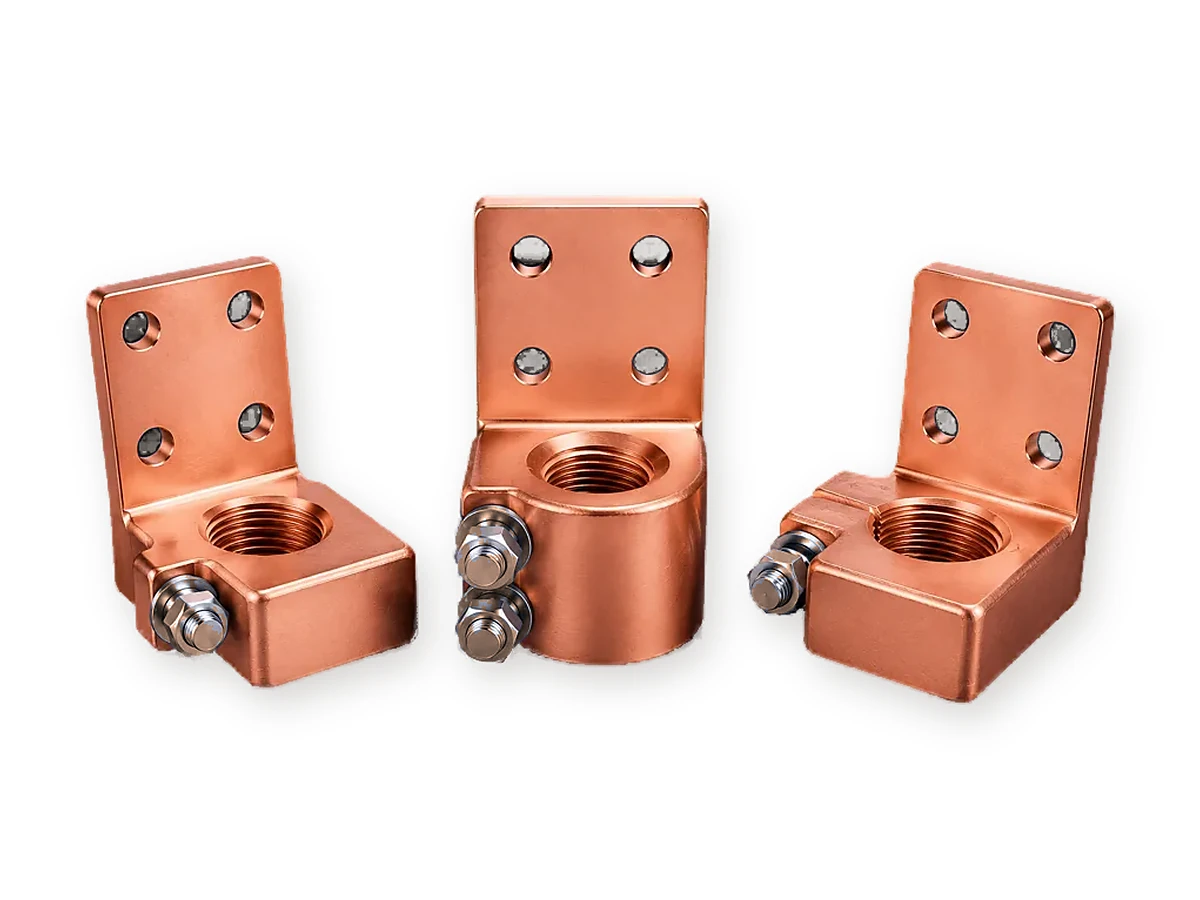
Copper and bronze stud connectors that join transformer bushing studs to cables and busbars, cast and threaded to your stud size.
Indicative price from
$9 /kg
Industry · Transport & Machinery
Heavy-duty bushes, bearings, wear plates and gear blanks for excavators, loaders and cranes.
Products for earthmoving & construction equipment
Copper and bronze stud connectors that join transformer bushing studs to cables and busbars, cast and threaded to your stud size.
Indicative price from
$9 /kg
 Representative image
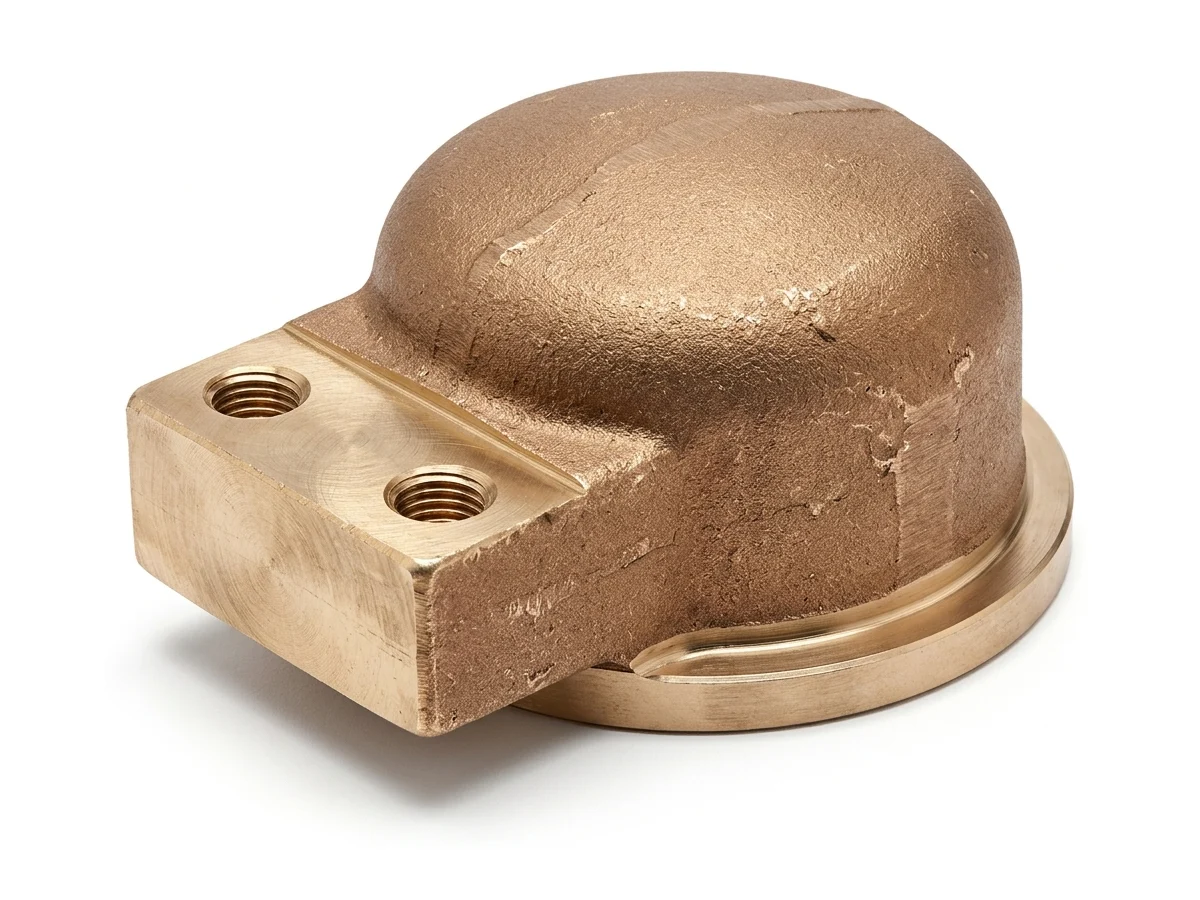
Cast bushing caps and threaded terminal pads in copper alloy and bronze for transformer bushings.
Indicative price from
$9 /kg
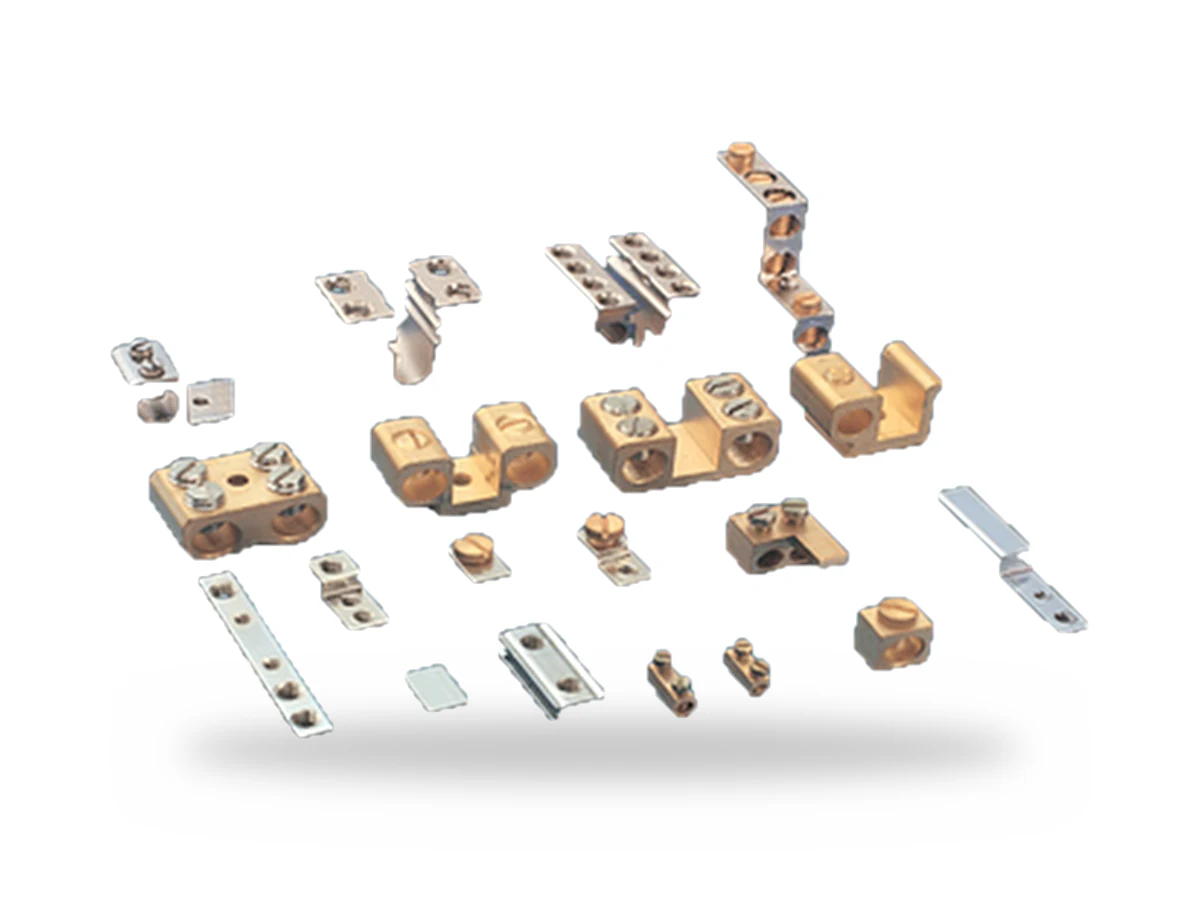
Cast terminal supports and qualified contact carriers in copper alloys for switchgear and electrical equipment.
Indicative price from
$9 /kg
 Representative image
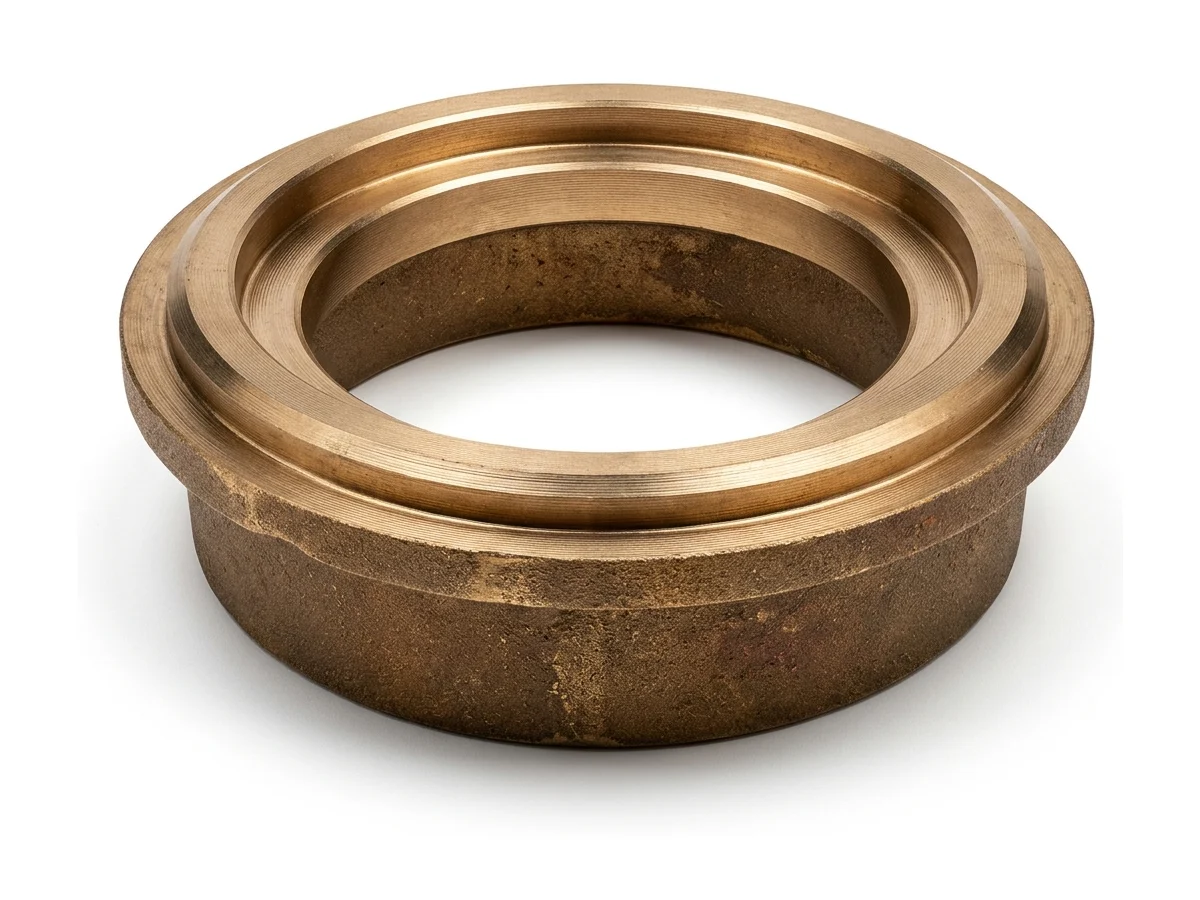
Bronze and cast-alloy pump wear rings that keep impeller clearance tight and pump efficiency high.
Indicative price from
$13 /kg
 Representative image
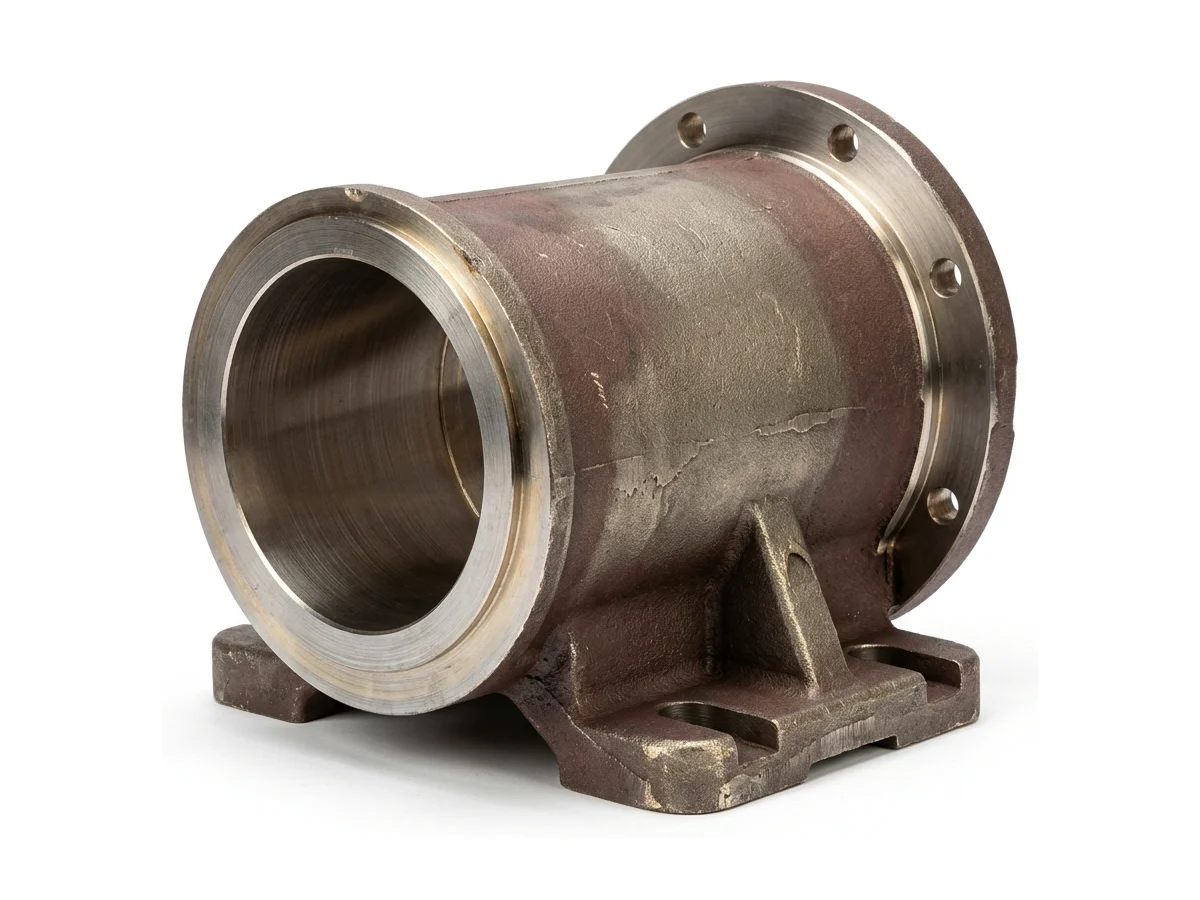
Cast bronze stern-tube and shaft-support bearing housings for propeller shafts.
Indicative price from
$11 /kg
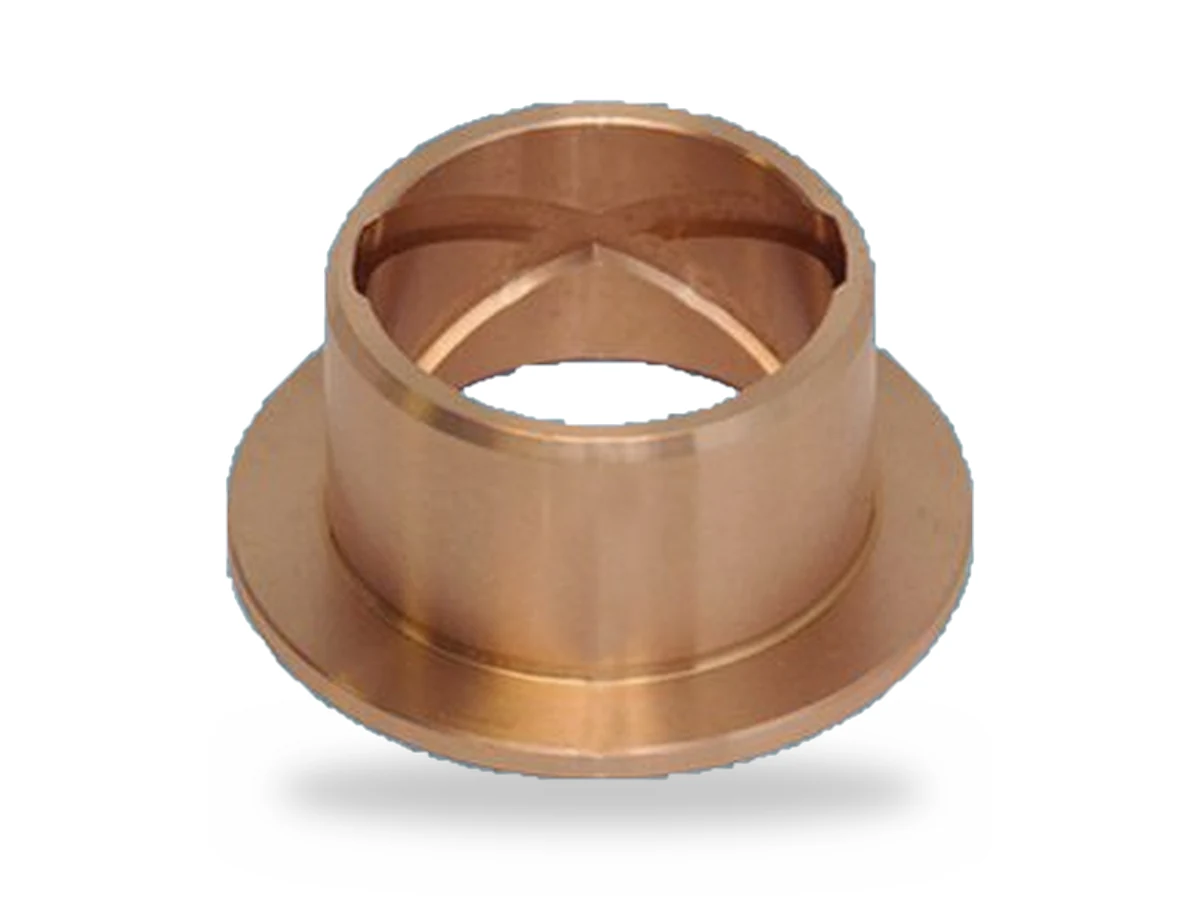
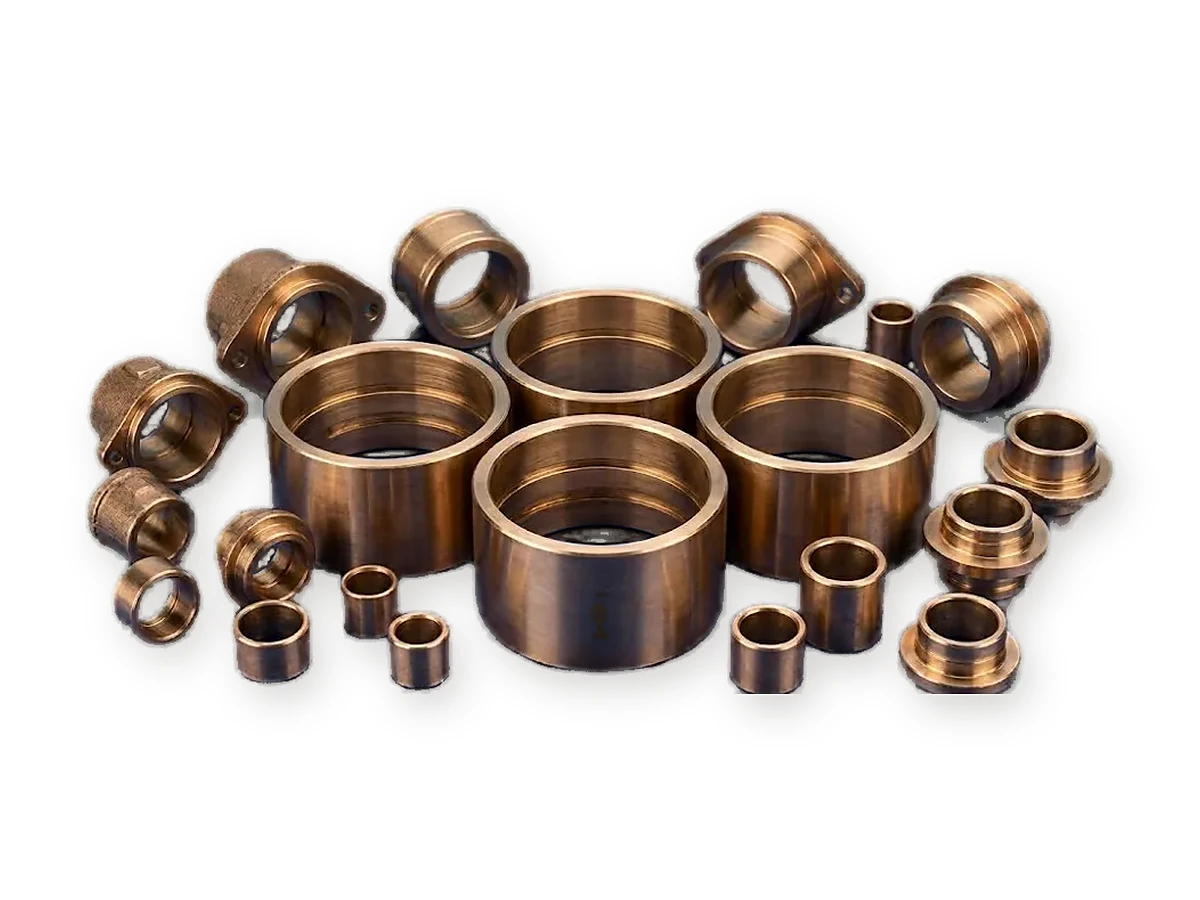
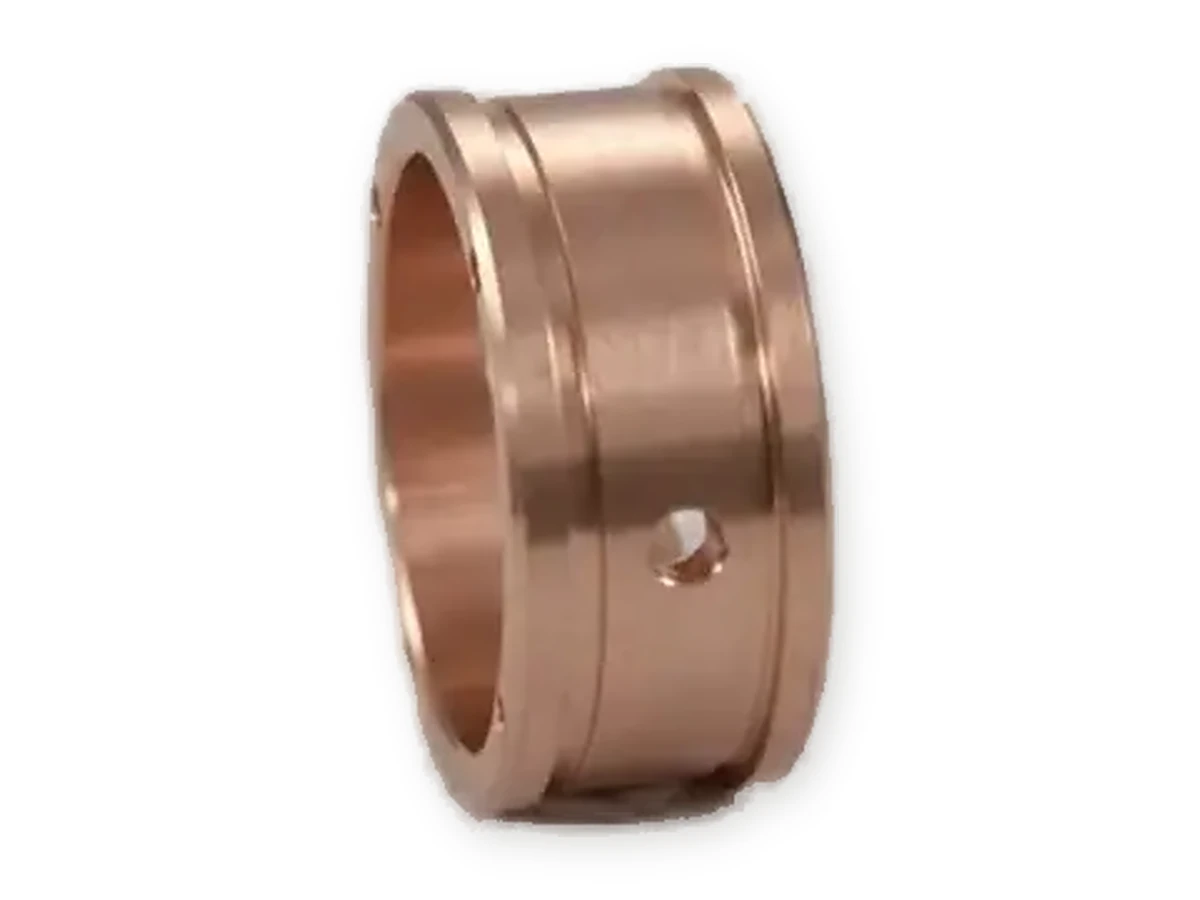
Cast and machined bronze bushings and bearings: plain, flanged and grooved bushes, finished bearing bushes and split shells.
Indicative price from
$11 /kg

Centrifugally cast bronze sleeves and hollow cylindrical blanks for machining.
Indicative price from
$11 /kg
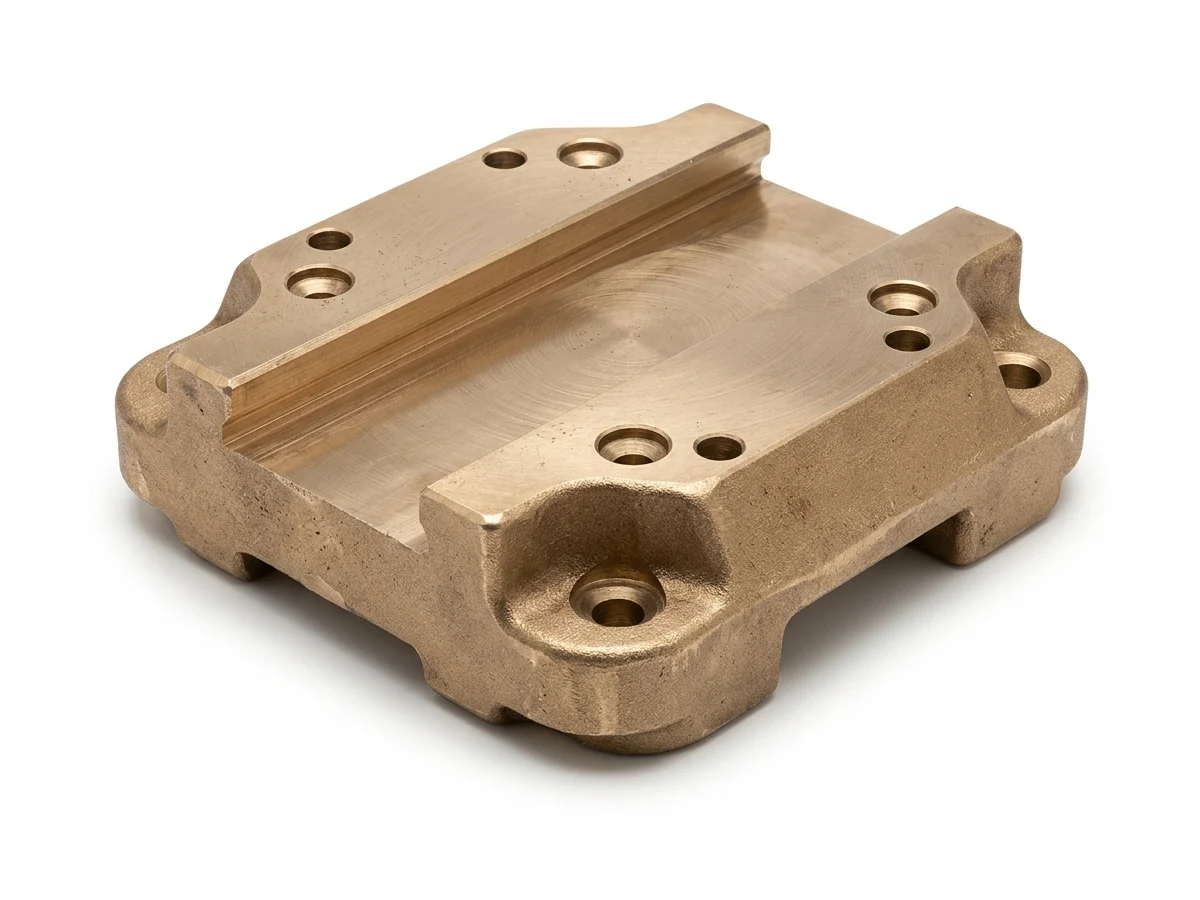 Representative image
Bronze wear plates and machined cast guide blocks for sliding surfaces.
Indicative price from
$11 /kg
Alloy × process pages for this industry.
Castings for earthmoving & construction equipment
Makers of excavators, backhoe loaders, wheel loaders, cranes, concrete pumps, road rollers, pavers and drilling rigs buy non-ferrous castings for the parts that slide, pivot, seal and carry hydraulic fluid: pin and boom bushes, swing and slew bearings, hydraulic pump and motor parts, valve blocks, track and idler bushes, thrust washers, wear plates and lubrication fittings. These machines work under heavy shock loads, in dust, mud and water, often with poor lubrication and long intervals between service. The bronze and brass castings inside them decide how long a pivot lasts before it develops play, how well a hydraulic pump holds its efficiency, and how much downtime the machine owner suffers.
This guide explains which castings the earthmoving and construction-equipment industry buys from a non-ferrous foundry, the alloys used and why, the standards buyers specify, the inspection and documents that go with each order, design tips for bushes and hydraulic parts, and how to place an order. Conex Casting Foundry in Jamnagar, Gujarat, casts copper-base and stainless alloys by sand, shell, gravity die, centrifugal and continuous casting, machines them in-house on CNC lines, and supplies original-equipment makers and spare-parts distributors in more than 34 countries.
Every joint on an excavator arm or loader linkage — boom foot, boom-to-arm, arm-to-bucket, bucket links and cylinder eyes — turns on a pin running in a bush. Many machines use hardened steel bushes, but bronze bushes remain common where the joint sees misalignment, edge loading, contamination or where a softer, conformable material protects an expensive pin. Leaded tin bronze and high-tensile aluminum bronze are the usual choices. Graphite-plugged or grooved bronze bushes are used where greasing is irregular.
Hydraulic axial-piston pumps and motors use bronze or brass for cylinder-block faces, valve plates, piston slippers (shoes), port plates and retainers. These parts run against hardened steel under high pressure and need a bearing alloy that does not gall, holds a flat lapped face and conducts heat away. Gear pumps use bronze bushes and side plates. Control valves use brass or bronze spools in some designs, and brass for fittings, adaptors and bleed screws.
Swing drives, travel motors and final drives contain bronze thrust washers, planet-gear bushes and worm wheels. Worm-wheel rims for slewing mechanisms and winches are typically centrifugally cast phosphor bronze, chosen for its sliding behavior against a hardened steel worm.
Idlers and track rollers on some machines run on bronze bushes in oil baths. Wear strips, slide pads and boom-extension guides on telescopic handlers and cranes use bronze or bronze with solid-lubricant plugs.
Concrete pumps use bronze wear rings and bushes in their agitators and swing tubes; road rollers use bronze bushes in steering joints and vibratory drums; drilling rigs use bronze bushes, rotary-head parts and water-swivel components. Aluminum castings appear in housings, covers and cab components where weight matters.
| Part | Typical alloys | Process |
|---|---|---|
| Boom, arm and bucket pin bushes | Leaded tin bronze C93200 / CC491K, aluminum bronze C95400 / CC331G, high-tensile brass C86300 | Centrifugal or continuous cast, machined |
| Hydraulic pump cylinder blocks, valve plates, slippers | Leaded tin bronze C93700, high-lead bronze C93800, special brasses (CuZn40Al2 type), aluminum bronze | Continuous or gravity cast, machined, lapped |
| Gear pump bushes and side plates | Leaded bronze C93200 / C93700, aluminum alloys in some designs | Continuous or die cast, machined |
| Worm wheels for slew and winch drives | Phosphor bronze C90700 / CC481K (PB1), nickel tin bronze C91700 | Centrifugal cast rim on steel or iron hub |
| Thrust washers and planet bushes | Leaded tin bronze, aluminum bronze | Continuous cast, machined |
| Wear plates and slide pads | Aluminum bronze C95400 / C95500, graphite-plugged bronze | Sand or continuous cast, machined |
| Hydraulic fittings and adaptors | Free-cutting brass C36000 / CW614N, forging brass CW617N | Bar or hot forged, machined |
| Grease nipples and lubrication blocks | Brass C36000, CW614N | Machined from bar |
| Water-swivel and drilling head parts | Aluminum bronze, gunmetal C83600 | Sand cast, machined |
A construction-machine bush faces a combination of high static load, shock load, slow oscillating motion, dirt ingress and irregular greasing. No single alloy is best in every case, so the choice is a balance between load capacity, conformability and tolerance of poor lubrication.
The general-purpose bearing bronze. Lead gives good embeddability (dirt particles bed into the surface instead of scoring the pin) and protects against seizure when the grease film breaks down. It suits moderate loads and moderate speeds, and machines easily. For very dirty, poorly lubricated joints it forgives more than harder alloys.
More lead for even better anti-seizure behavior under boundary lubrication, at the cost of some strength. Used in hydraulic pump slippers and cylinder blocks, and in bushes where lubrication is unreliable.
Much stronger and harder, with excellent resistance to impact, fatigue and wear. Aluminum bronze carries the highest loads and shock, and is used for heavily loaded pivots, wear plates and slide pads. It needs a hardened pin (typically 50 HRC or more), a good surface finish and reliable greasing, because it is less forgiving of dirt and dry running than leaded bronze.
Very strong and economical, suitable for heavily loaded slow-moving bushes and wear parts. Its wear and seizure behavior is not as good as tin bronze, so it is best with good lubrication and hard mating surfaces.
The classic worm-wheel alloy. High tin and phosphorus give hardness and wear resistance against a hardened, ground steel worm. Centrifugal casting gives a dense, fine-grained rim.
Axial-piston pumps and motors are among the most demanding applications for copper-base castings. The cylinder block or its bronze face, the valve plate and the piston slippers run against hardened steel at high speed and high pressure, separated only by a thin oil film. The bronze must:
Continuous-cast and centrifugally cast bronze are preferred for these parts because they give dense, fine-grained material with consistent properties. Lead-bearing bronzes and special brasses are both used depending on the pump maker's design. When supplying replacement parts, the original maker's alloy, hardness and flatness requirements should be matched closely.
Slewing mechanisms, winches and some crane drives use worm gears because they give a high reduction and resist back-driving. The bronze wheel wears in against the steel worm. Centrifugally cast phosphor bronze rims, shrunk or bolted onto a cast-iron or steel hub, are standard. Buyers should specify the alloy, the hardness range, and whether the rim is supplied rough or with teeth hobbed. A sound rim free of porosity in the tooth zone is essential, so radiography or ultrasonic testing of sample rims is common for critical drives.
Construction-equipment makers usually specify alloys by international or company standard. The common references are:
Many large OEMs have their own material codes that map to these standards. Share the material specification with the drawing so the equivalent grade can be confirmed before quoting.
Equipment makers expect consistent material and dimensions across batches, because bushes and hydraulic parts are fitted on assembly lines with little tolerance for variation. Typical checks are:
Conex works under an ISO 9001:2015 quality system and supplies inspection reports and material test certificates with orders.
Construction machines have long service lives and are rebuilt several times. This creates three types of demand for non-ferrous castings:
Continuous-cast and centrifugal tube and bar stock lets bushes in many sizes be made quickly, while sand and shell casting suit flanged bushes, wear plates and complex hydraulic parts.
Questions buyers ask
Most often Phosphor Bronze PB2, Bearing Bronze SAE 660, Leaded Tin Bronze C93700, Manganese Bronze C86300 — chosen for strength, wear, conductivity and corrosion resistance in earthmoving & construction equipment service. We confirm the grade against your drawing and standard.
Yes. Send your drawing (DWG, PDF, STEP) or a sample photo with quantity and alloy standard; we cast, machine in-house on CNC and inspect before despatch.
Leaded tin bronze such as C93200 for general service and dirty conditions; aluminum bronze such as C95400 for high loads with a hardened pin and good greasing.
Yes. Bushes can be supplied fully machined with oil holes, grease grooves, chamfers and flanges to your drawing.
Cylinder-block faces, valve plates, slippers and gear-pump bushes can be cast and machined to drawing; flatness and soundness requirements should be stated with the enquiry.
Yes. A part can be measured and reverse engineered, with corrected dimensions agreed before production.
Both give dense, fine-grained material. Continuous casting produces solid or hollow bar for smaller and medium bushes; centrifugal casting produces larger tubes and rims with a very sound wall.
Yes, centrifugally cast phosphor bronze rims supplied rough or machined; teeth cutting can be arranged to drawing.
A material test certificate (EN 10204 3.1 on request), a dimensional report and any NDT reports specified on the order.
Yes. Replacement bushes, washers and wear parts can be supplied in batches to distributors' size lists.
Send your drawing, get a quotation.
DWG, PDF, STEP or a sample photo — with quantity and destination port.

Conex Export Desk
Talk to our export team
Working on a new casting? Tell us the part and we'll connect you with the right engineer today.