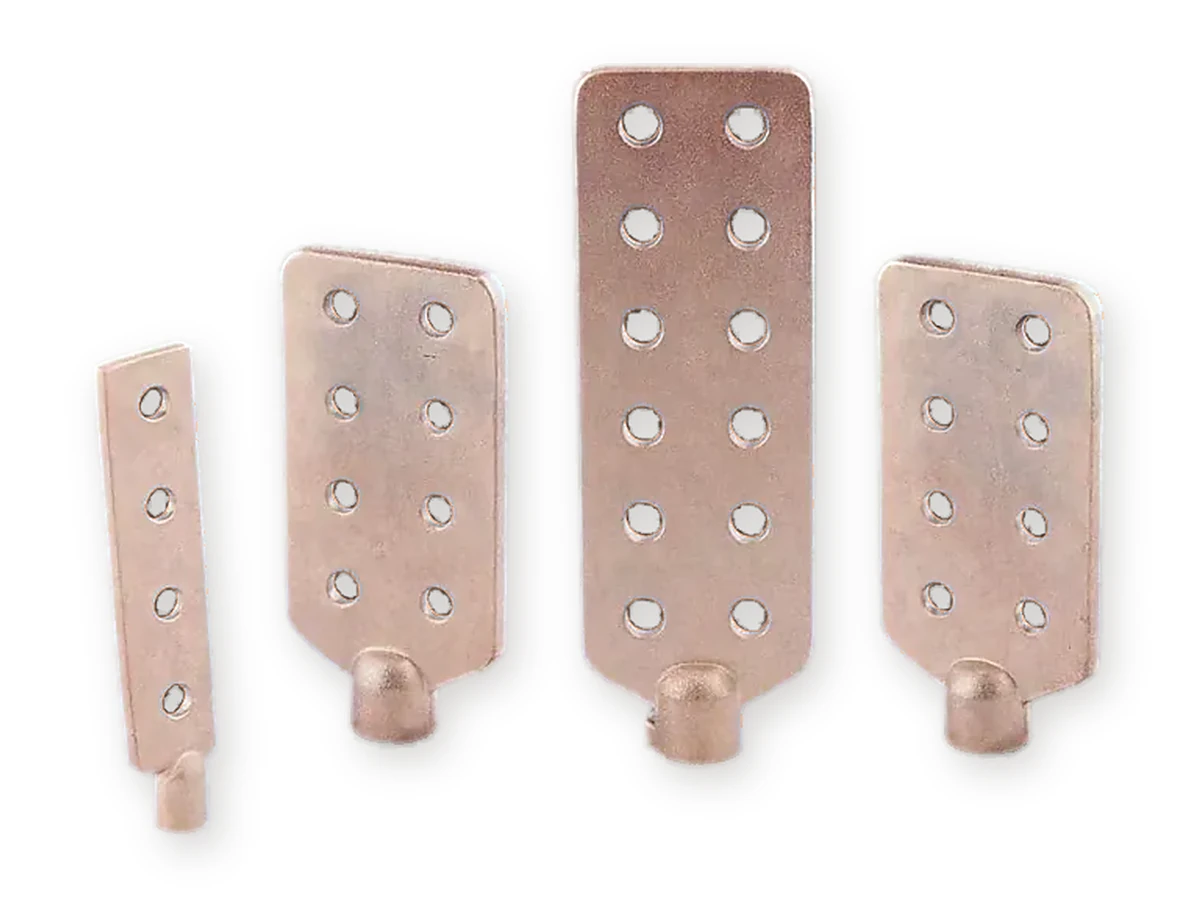
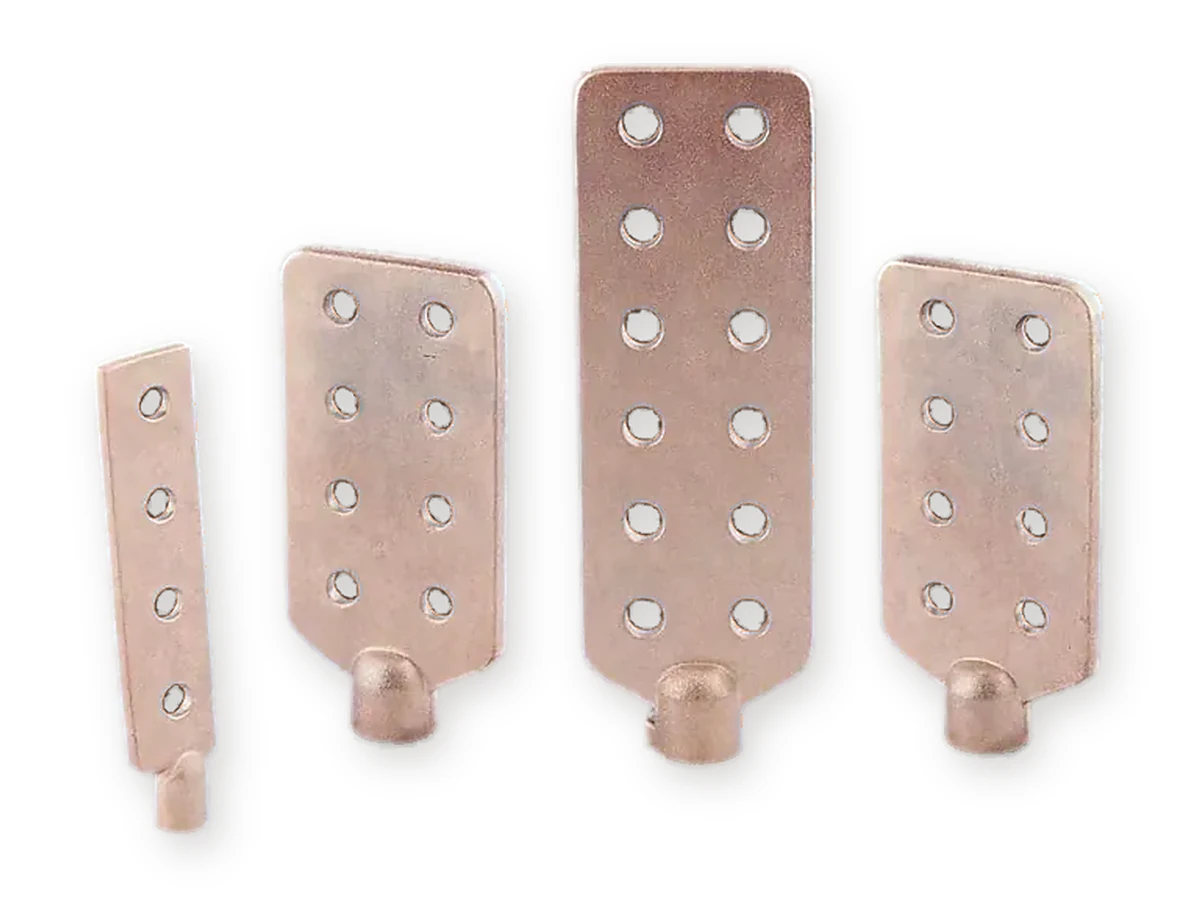
Transformer Spade Terminals
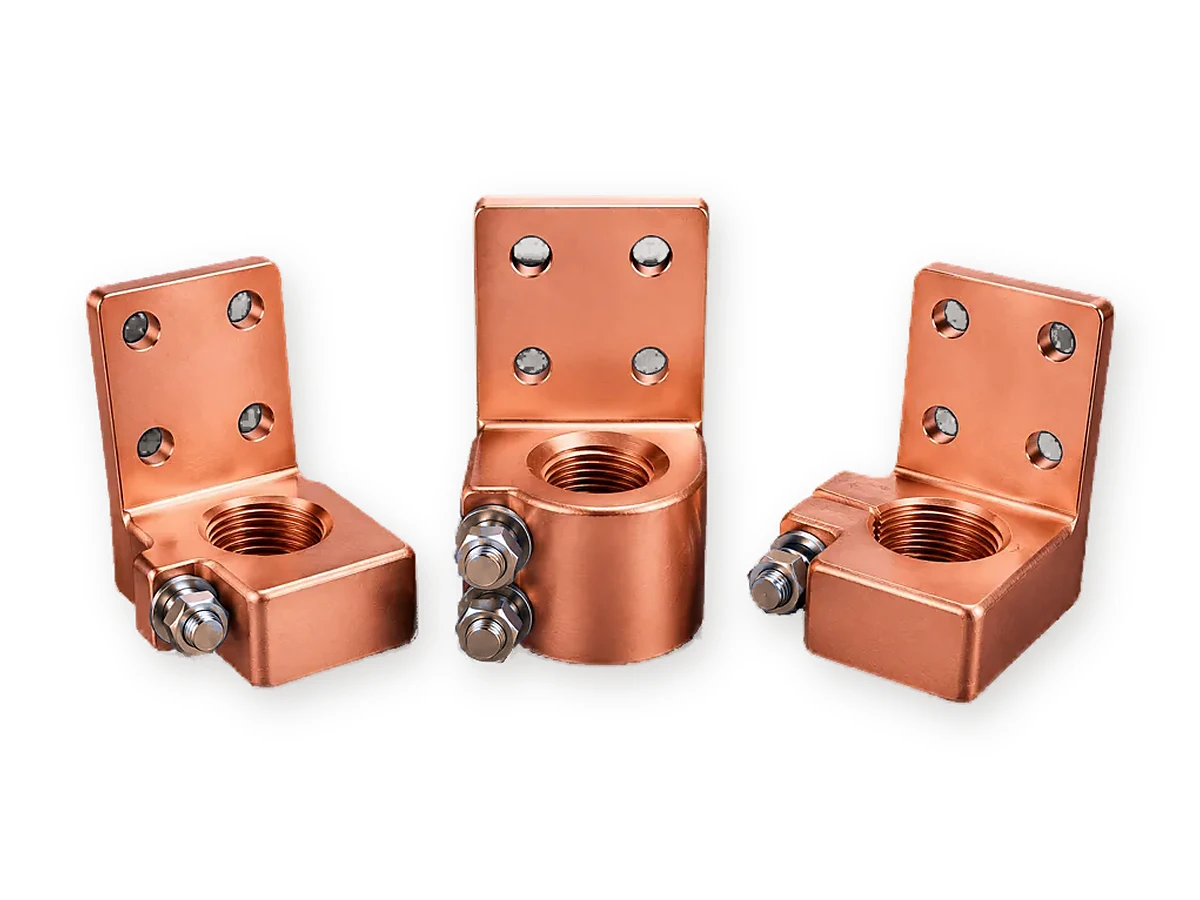
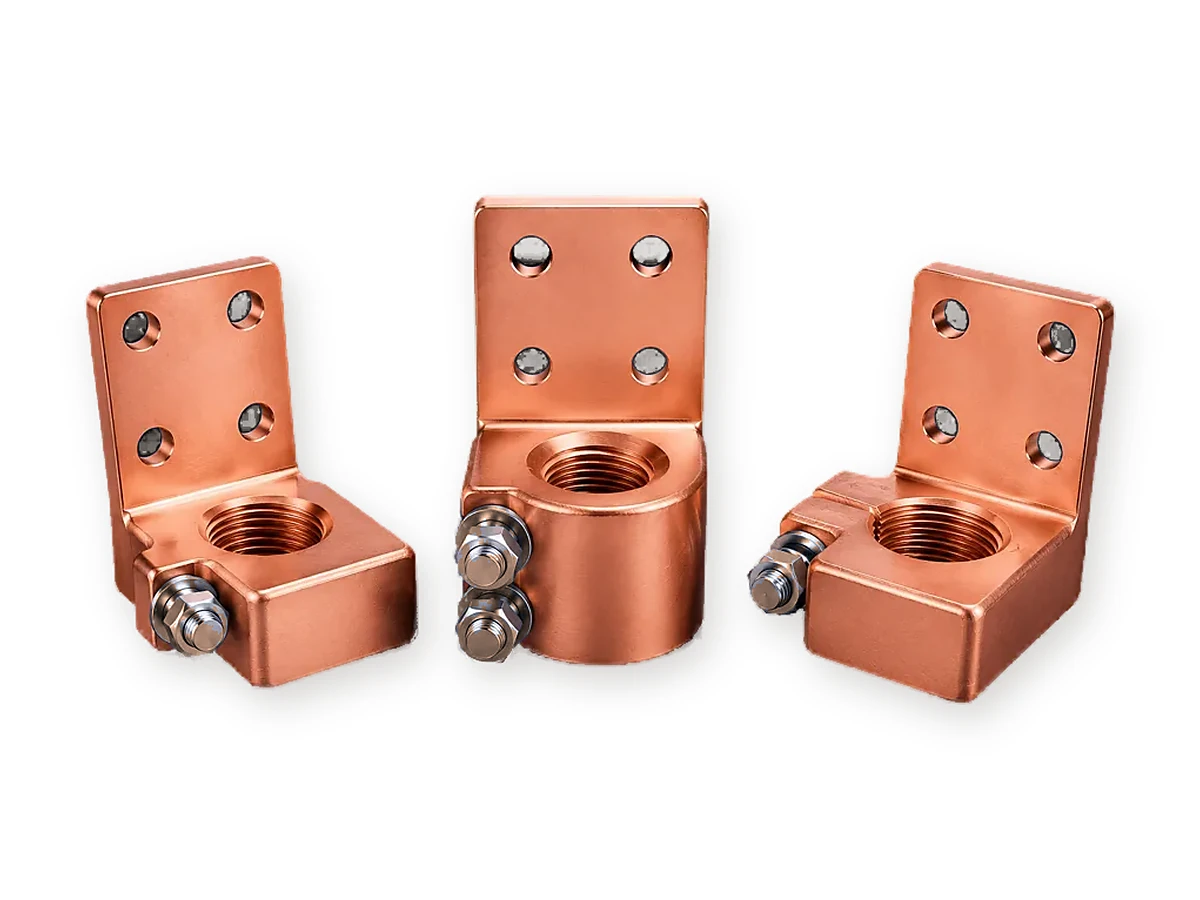
Cast bronze and copper-alloy spade terminals for distribution and power transformer bushings, drilled to NEMA patterns or your drawing.
Indicative price from
$9 /kg
Industry · Power & Electrical
Conductive bronze, brass and copper hardware for transformers, panels and connections.
Products for electrical & transformer
Transformer Hardware & Studs
Earthing & Grounding Accessories
Cable Gland Bodies & Accessories
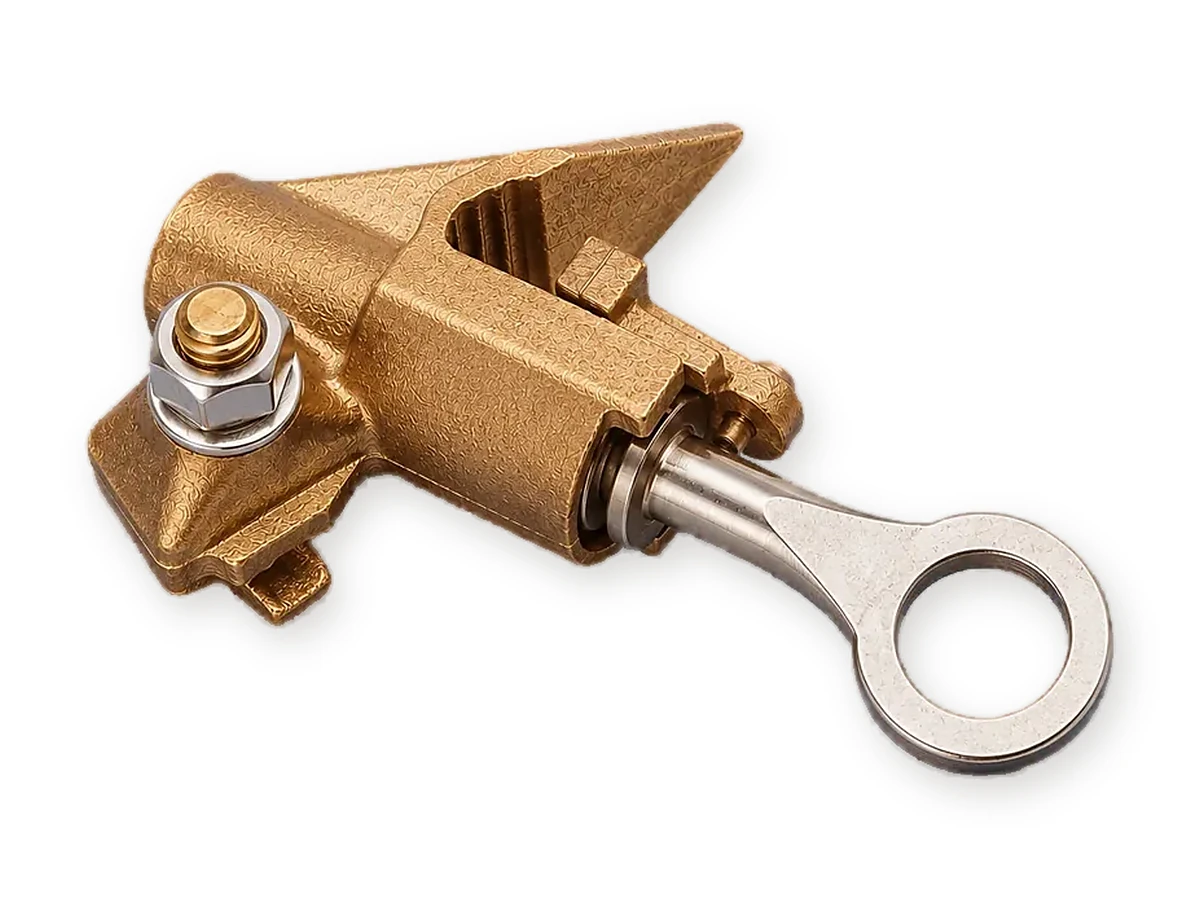
Overhead Line & PG Clamps
Switchgear & Contact Parts
Cast bronze and copper-alloy spade terminals for distribution and power transformer bushings, drilled to NEMA patterns or your drawing.
Indicative price from
$9 /kg
Copper and bronze stud connectors that join transformer bushing studs to cables and busbars, cast and threaded to your stud size.
Indicative price from
$9 /kg
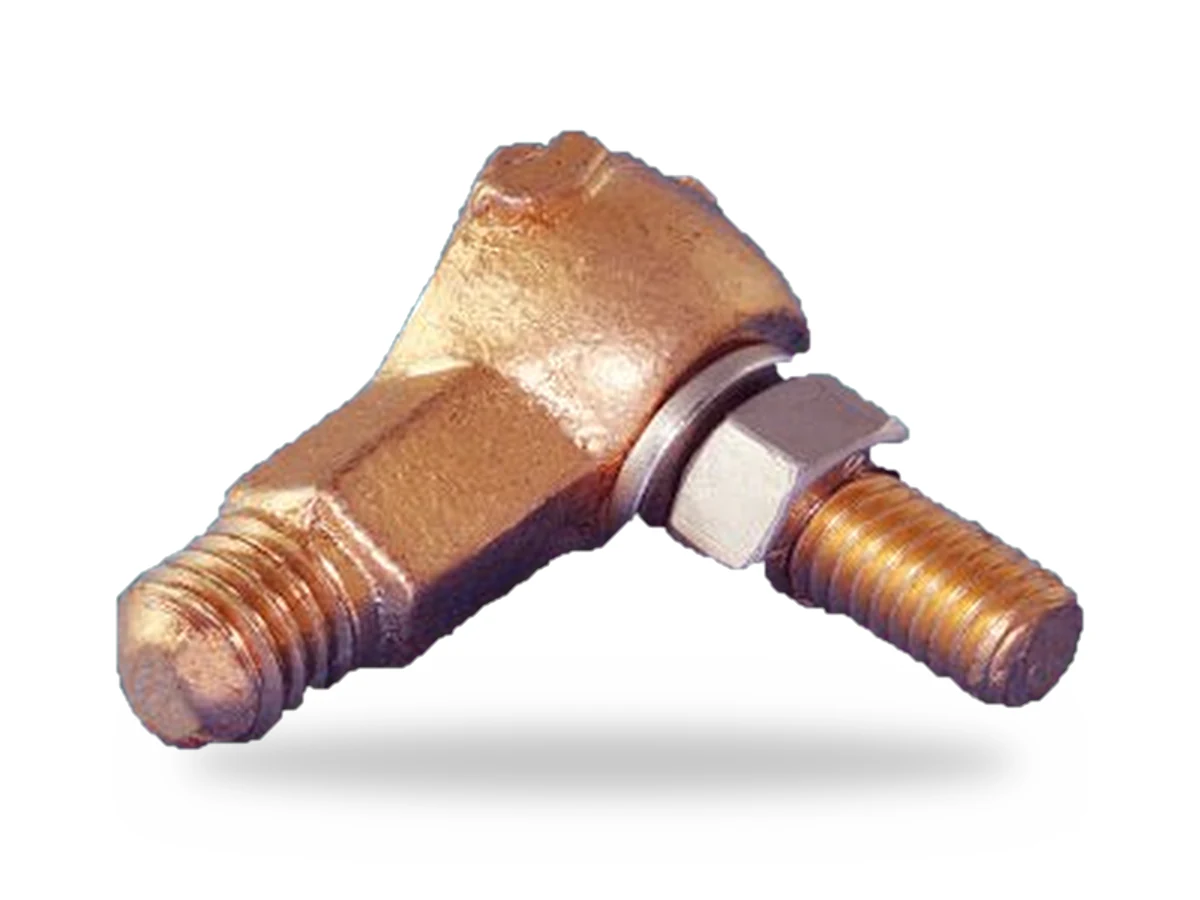
Cast bronze tank grounding connectors and ground posts that bond transformer tanks to the earthing conductor.
Indicative price from
$9 /kg
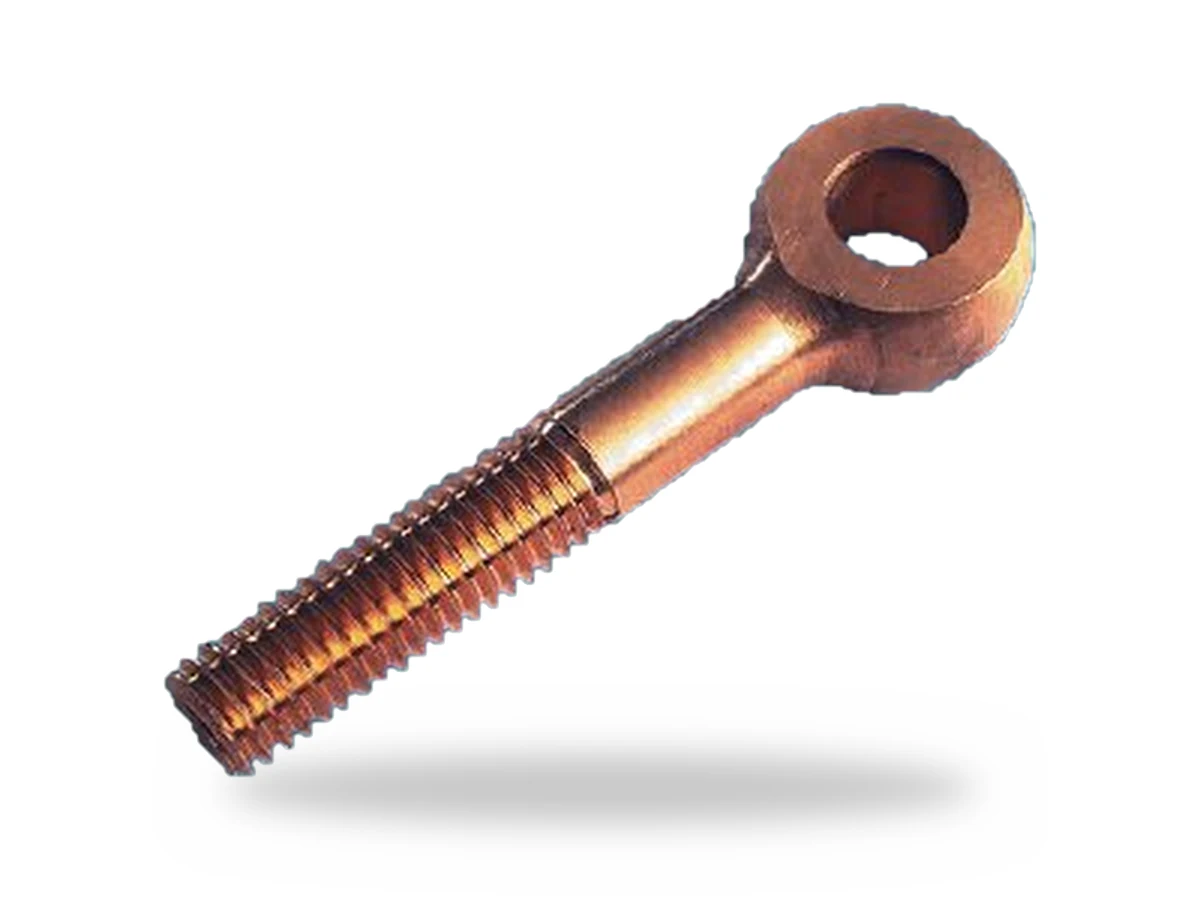
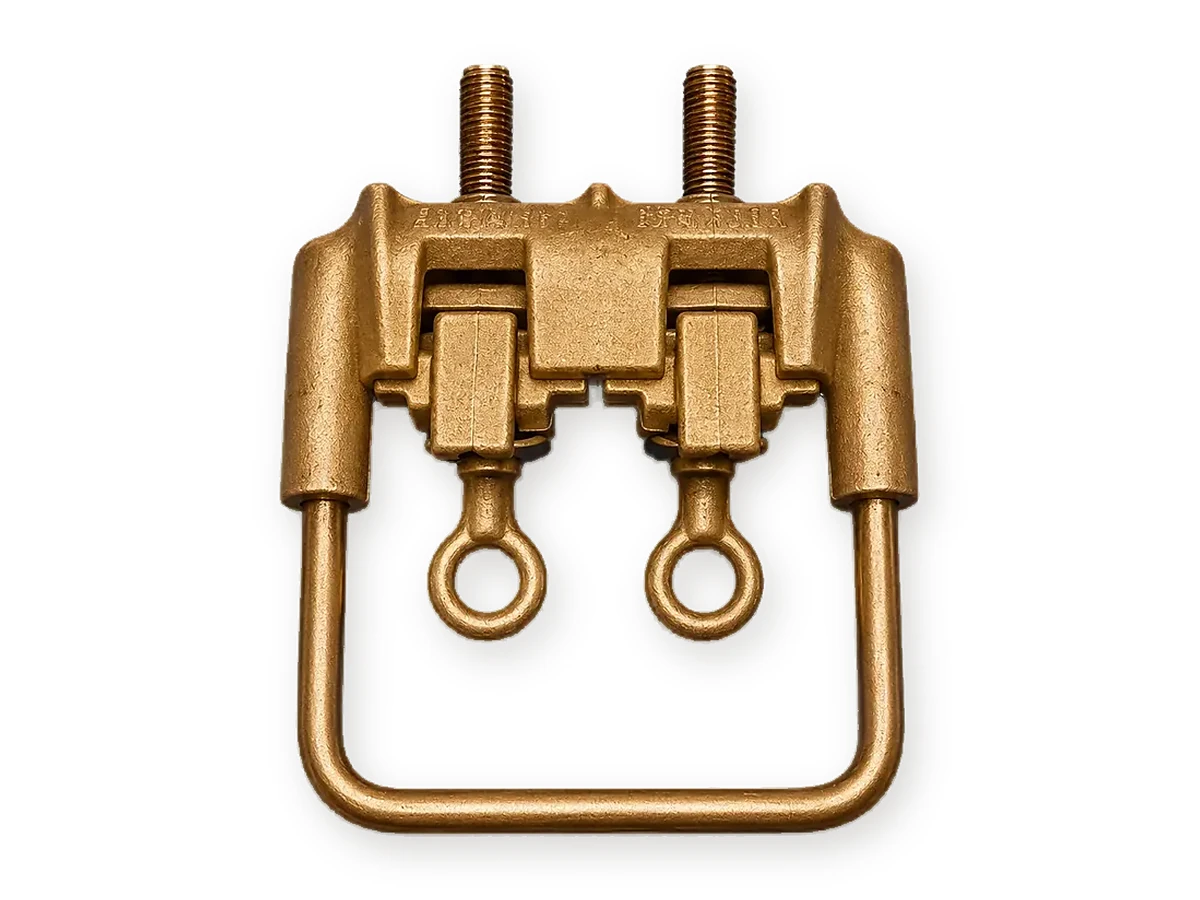
Cast bronze connector eyebolts for clamping conductors on transformer terminals and bushing studs.
Indicative price from
$9 /kg
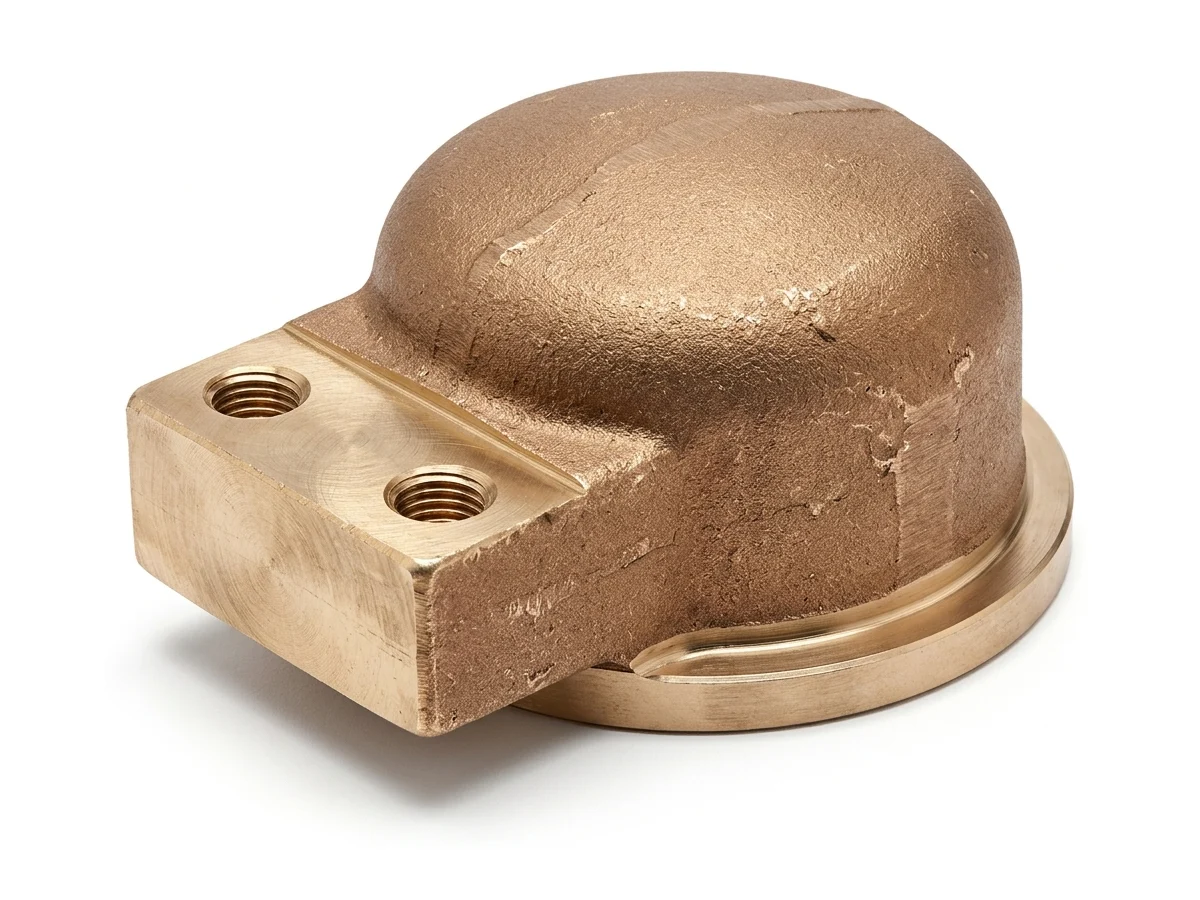 Representative image
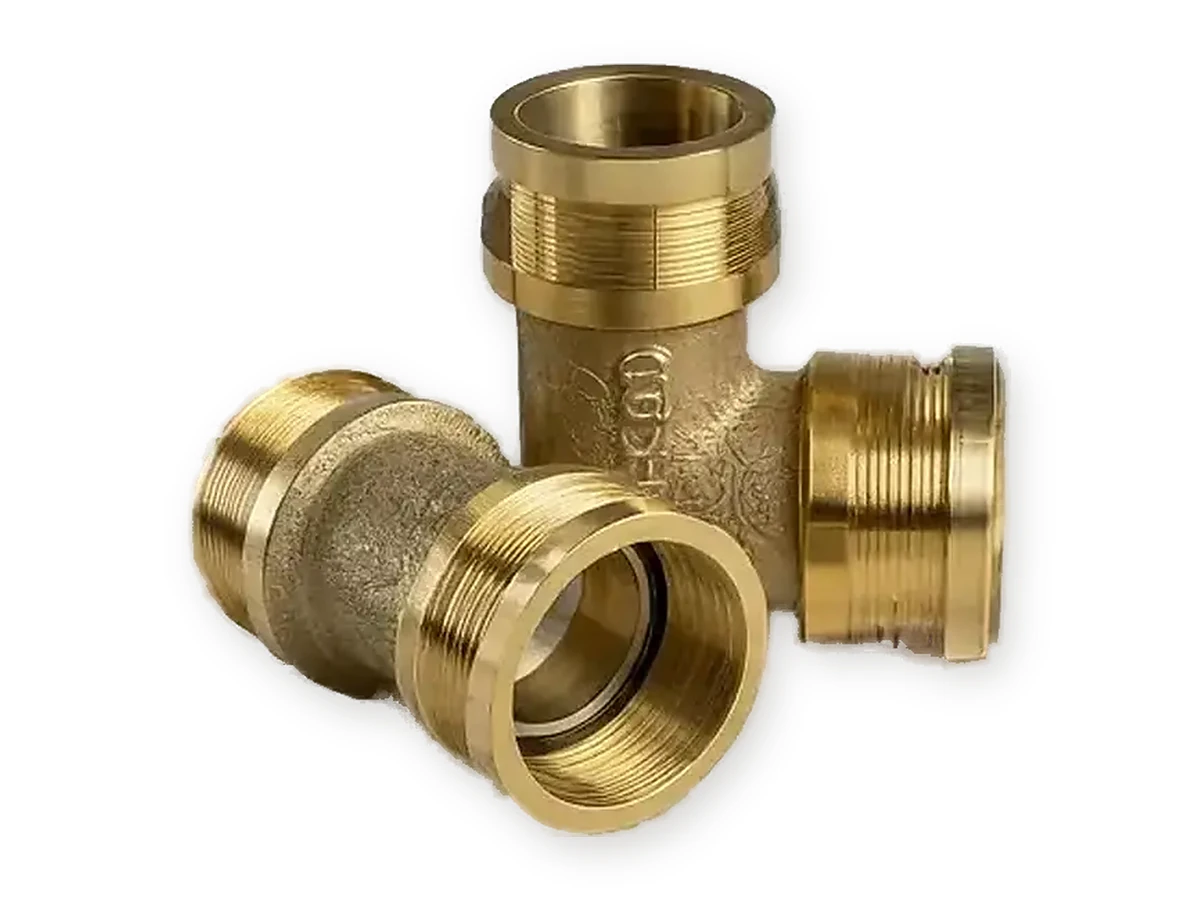
Cast bushing caps and threaded terminal pads in copper alloy and bronze for transformer bushings.
Indicative price from
$9 /kg
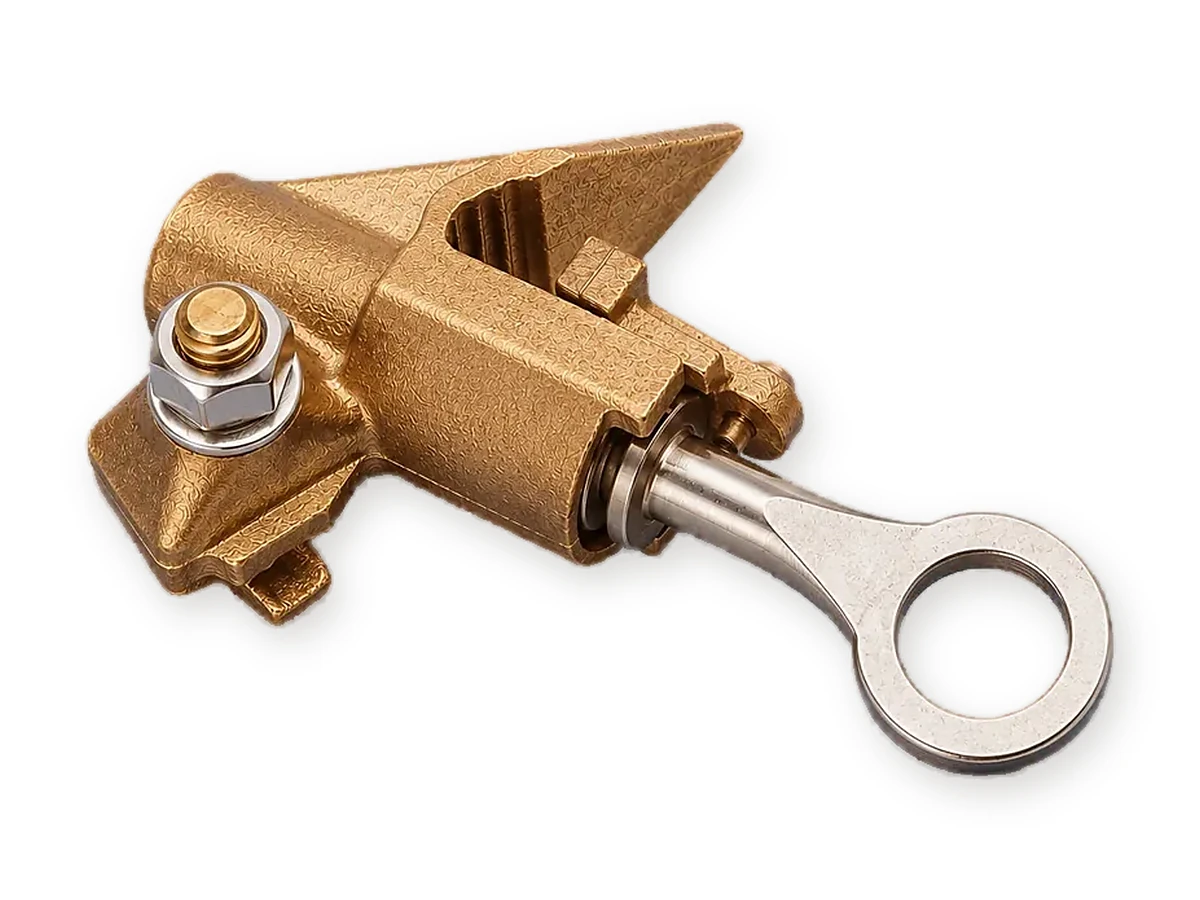
Bronze and aluminum hotline clamps for live-line tap connections on overhead distribution lines.
Indicative price from
$4 /kg
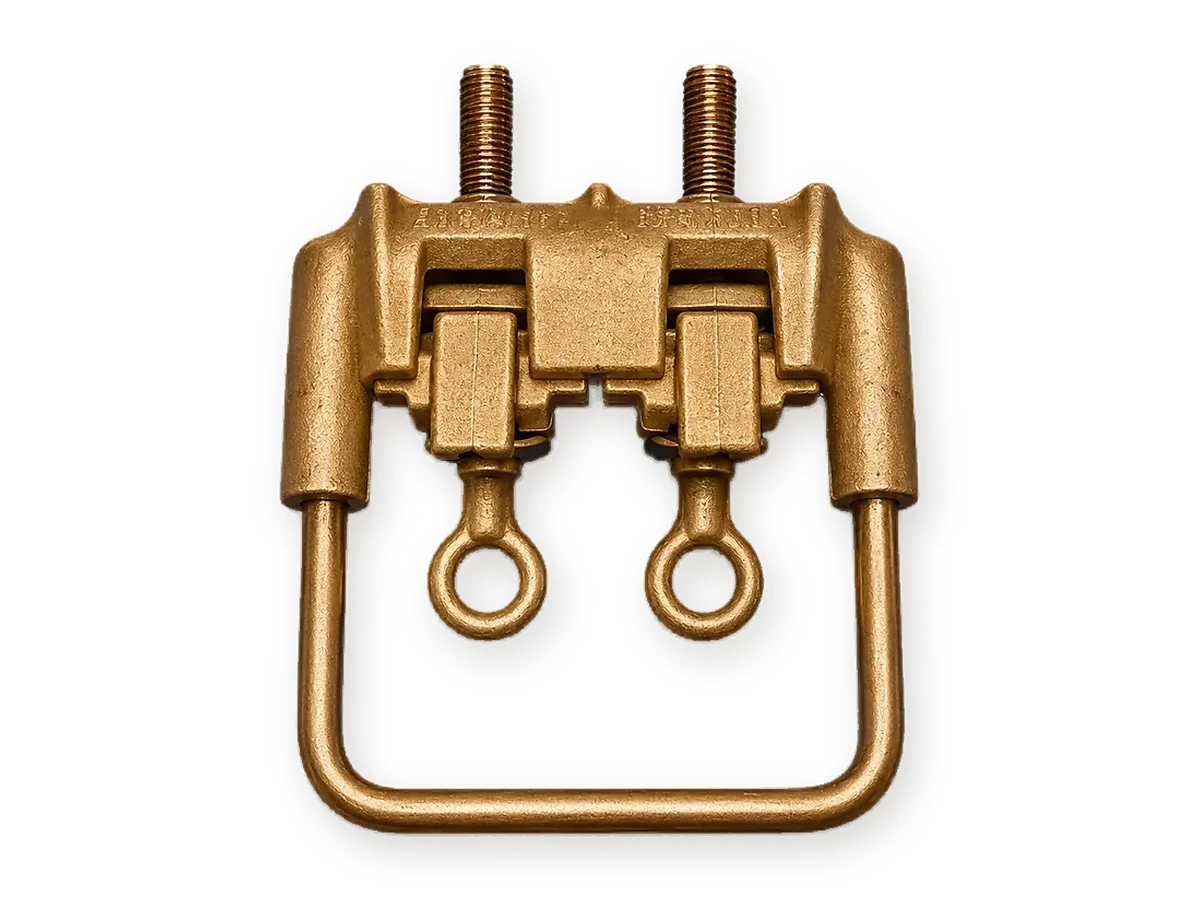
Bronze and aluminum stirrup clamps with bails that give a clean tap point for hotline clamps on overhead lines.
Indicative price from
$4 /kg
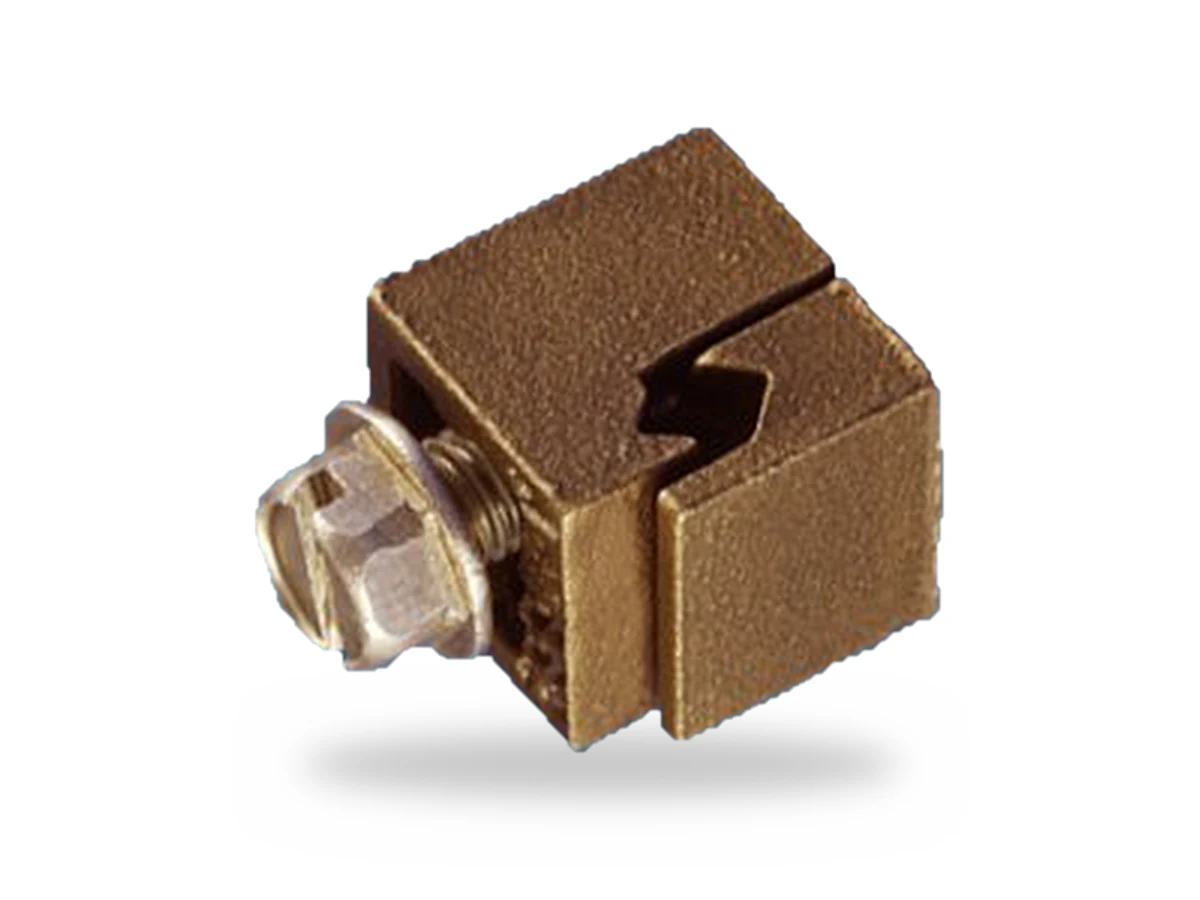
Bronze vise connectors for joining and tapping copper conductors on overhead lines and grounding systems.
Indicative price from
$4 /kg
Alloy × process pages for this industry.
Castings for electrical & transformer
Transformer manufacturers buy a wide range of non-ferrous castings — spade terminals, bushing stud connectors, eyebolt connectors, tank ground connectors, terminal pads, bushing caps and valve parts — that must carry current reliably for decades, survive outdoor weather and clamp conductors without loosening. These parts are mostly cast in high-conductivity copper, gunmetal, bronze, silicon bronze and brass, then machined, threaded and often tin plated. Their quality directly affects joint resistance, heating and the long-term reliability of distribution and power transformers.
This guide explains which castings the transformer industry buys from a non-ferrous foundry, the alloys used and why, the standards buyers refer to, the inspection and documents to expect, and how to order transformer hardware so it fits first time. Conex Casting Foundry in Jamnagar casts and machines these parts in-house and exports to more than 34 countries.
A distribution or power transformer contains many current-carrying and mechanical components outside the core and windings. Those made by casting and machining include:
| Part | What it does | Typical alloys | Typical process |
|---|---|---|---|
| Spade terminals (NEMA pads) | Flat drilled pads that connect cables or bus to the bushing stud | C83600 gunmetal, C84400, C81100 copper, C11000 machined | Sand / permanent mold, then machined and drilled |
| Bushing stud connectors | Thread onto the bushing stud and clamp the incoming conductor | C83600, C84400, silicon bronze, brass | Sand or permanent mold, machined and tapped |
| Eyebolt connectors | Clamp a cable through an eye onto the stud | Bronze body with silicon bronze or brass eyebolt | Casting plus machined or forged eyebolt |
| Tank ground (earth) connectors | Bond the tank to the station ground conductor | C83600, C84400, silicon bronze | Sand cast, machined |
| Terminal pads and flag connectors | Interface between bushings and bus or cable lugs | C81100, C11000, gunmetal | Cast or machined from bar |
| Bushing caps and terminal caps | Seal and connect the top of bushings | Brass, gunmetal, aluminum | Sand, gravity die or pressure die |
| Drain and sampling valve parts | Oil drain, filter and sampling valves | Brass, gunmetal C83600 | Sand or gravity die, pressure tested |
| Bus connectors and clamps | Join flexible links, bus bars and leads | C11000, C81100, C83600 | Cast or machined |
Most of these are made to the transformer maker's own drawing, often based on dimensions in IEEE, IEC, IS or utility standards, so a foundry that works from drawings and can develop patterns from samples is valuable.
Transformer hardware has three jobs at once: carry current with low resistance, hold clamping force without creeping, and resist corrosion outdoors. No single alloy is best at all three, so designers choose by function.
| Alloy family | Typical grades | Why it is used | Watch-outs |
|---|---|---|---|
| High-conductivity copper | C11000 (ETP), C81100 cast copper, CC040A | Highest conductivity — for pads and connectors carrying heavy current | Soft; cast copper needs careful foundry practice; specify minimum % IACS |
| Gunmetal / red brass | C83600 (LG2, CC491K), C84400 | Good conductivity for a cast alloy, good strength, excellent castability and machining; resists weather | Conductivity far below copper; size the current path accordingly |
| Silicon bronze | C87300, C87600, C65500 (bolts, eyebolts) | Strong, corrosion resistant, threads resist seizing | Low conductivity — use for clamping hardware, not the main current path |
| Brass | C36000 / CW614N, CW617N, C85400 | Economical, easy to machine for caps, valve parts and studs in protected locations | Lower corrosion resistance outdoors; risk of stress-corrosion cracking in ammonia |
| Chromium copper | C18200, C81500 | Higher strength at good conductivity for heavily clamped or hot-running parts | Must be heat treated |
| Aluminum | A356 / LM25, LM6, 6061 | Light, economical connectors for aluminum conductors | Needs bimetallic transitions to copper |
Transformer hardware is usually made to the customer's drawing, but the drawing itself often follows one or more of these standards. Buyers should name the ones that apply:
Performance tests in connector standards (heat-cycle, current-cycle, mechanical pull-out) are normally carried out by the connector or transformer manufacturer on the finished assembly. The foundry supports these by supplying consistent material, dimensions and plating.
| Check | Why it matters |
|---|---|
| Chemical analysis of each melt (spectrometer) | Confirms the alloy grade, lead and impurity levels that affect conductivity |
| Conductivity measurement (% IACS) where specified | Confirms current-carrying parts meet the design value |
| Dimensional inspection | Hole patterns (for example NEMA two- and four-hole pads), stud threads, flatness of contact faces |
| Thread gauging | Stud and tapped threads (UNC, metric, BSW or as drawn) must fit bushings without galling |
| Hardness | Indicates strength and consistency of the casting |
| Plating thickness and adhesion | Ensures long-term low contact resistance |
| Visual inspection | Surface porosity, cracks or inclusions on contact and sealing faces |
| Pressure / leak test | For oil drain and sampling valves and any oil-tight castings |
Typical documents are a material test certificate to EN 10204 3.1, a dimensional inspection report and, where required, plating and conductivity reports. Conex works under an ISO 9001:2015 quality system with in-house CNC machining and inspection.
Many distribution networks use aluminum cable, while transformer bushings and terminals are copper-based. Where the two metals meet, three problems can arise: galvanic corrosion when moisture is present, a hard aluminum oxide film that raises contact resistance, and creep of aluminum under bolt pressure that slowly loosens the joint. Transformer hardware is designed around these problems. Common solutions are tin-plated copper or bronze connectors (tin is compatible with both metals), aluminum-bodied connectors rated for both conductor types, bimetallic transition plates, oxide-inhibiting compound on aluminum strands, and spring washers that keep clamping force as temperatures cycle. When ordering connectors, state which conductor materials and size ranges they must accept so the foundry can confirm the body alloy, plating and thread or clamp design.
Transformer castings range from small stud connectors weighing well under a kilogram to large terminal pads and tank fittings of several kilograms. As-cast tolerances for sand castings typically fall within ISO 8062 grades DCTG 9–11, and permanent-mold castings are tighter. Functional features — stud threads, bolt holes, contact faces and sealing faces — are CNC machined, so their tolerances are set by the drawing rather than by the casting process; ±0.1 mm or better on hole positions and close thread classes are routine. Typical finishes are machined contact faces, shot-blasted or tumbled general surfaces, and tin or silver plating where specified.
Pole-mounted and pad-mounted transformers work outdoors for decades, in coastal salt spray, industrial pollution, desert heat or tropical humidity. Copper-rich alloys such as gunmetal, tin bronze and silicon bronze develop a stable patina and resist these conditions well. High-zinc brasses are more likely to dezincify or suffer stress-corrosion cracking, especially near livestock or fertilizer sources where ammonia is present, so they are best kept to protected or indoor locations. Fasteners should be bronze, silicon bronze or stainless steel to avoid galvanic attack on the connector.
Conex casts copper, gunmetal, bronze, brass, aluminum and stainless steel at its foundry in Jamnagar, Gujarat, using sand, shell, gravity die, low-pressure, pressure die, investment, centrifugal and continuous casting. Castings are machined, threaded and inspected in-house, and supplied with inspection and material test certificates under an ISO 9001:2015 quality system. The company's head office is at Nariman Point, Mumbai, and it exports to more than 34 countries. Transformer spade terminals, bushing stud connectors, tank connectors and eyebolt connectors are among its regular product lines.
Questions buyers ask
High-conductivity copper and copper-rich bronzes for current-carrying parts; brass and silicon bronze for hardware that needs strength and corrosion resistance.
Yes — we cast and machine to your drawing, or develop the pattern from a sample.
For high-current pads, copper (C11000 machined or C81100 cast) gives the lowest resistance. Gunmetal C83600 or C84400 is widely used where moderate conductivity, good strength and easy casting are preferred. Tin plating improves contact performance.
Yes. Send the drawing or the standard and stud thread size; the connector is cast and machined to match, and first samples can be test-fitted before production.
Tin plating can be supplied to the thickness on your drawing. State whether the whole part or only contact faces should be plated.
Typically around 15% IACS, compared with about 100% for ETP copper. Size the current path accordingly or use copper for high-current parts.
Yes. The sample is measured, a drawing is prepared for your approval, and the pattern or die is made from the approved drawing.
Usually a material test certificate to EN 10204 3.1 and a dimensional report; conductivity, hardness and plating reports can be added on request.
It depends on the part and process. Sand-cast parts can be made in small batches, including prototypes; permanent-mold and die-cast parts are economical in larger volumes. Share your quantities for a recommendation.
Yes. Silicon bronze or brass eyebolts, nuts and washers can be supplied with the cast bodies as complete connector assemblies.
Sand casting suits small and medium batches and larger parts; permanent-mold (gravity die) casting gives better finish and accuracy for repeat volumes. Simple pads and studs can also be machined directly from copper or brass bar.
Send your drawing, get a quotation.
DWG, PDF, STEP or a sample photo — with quantity and destination port.

Conex Export Desk
Talk to our export team
Working on a new casting? Tell us the part and we'll connect you with the right engineer today.