Transformer Bushing Stud Connectors
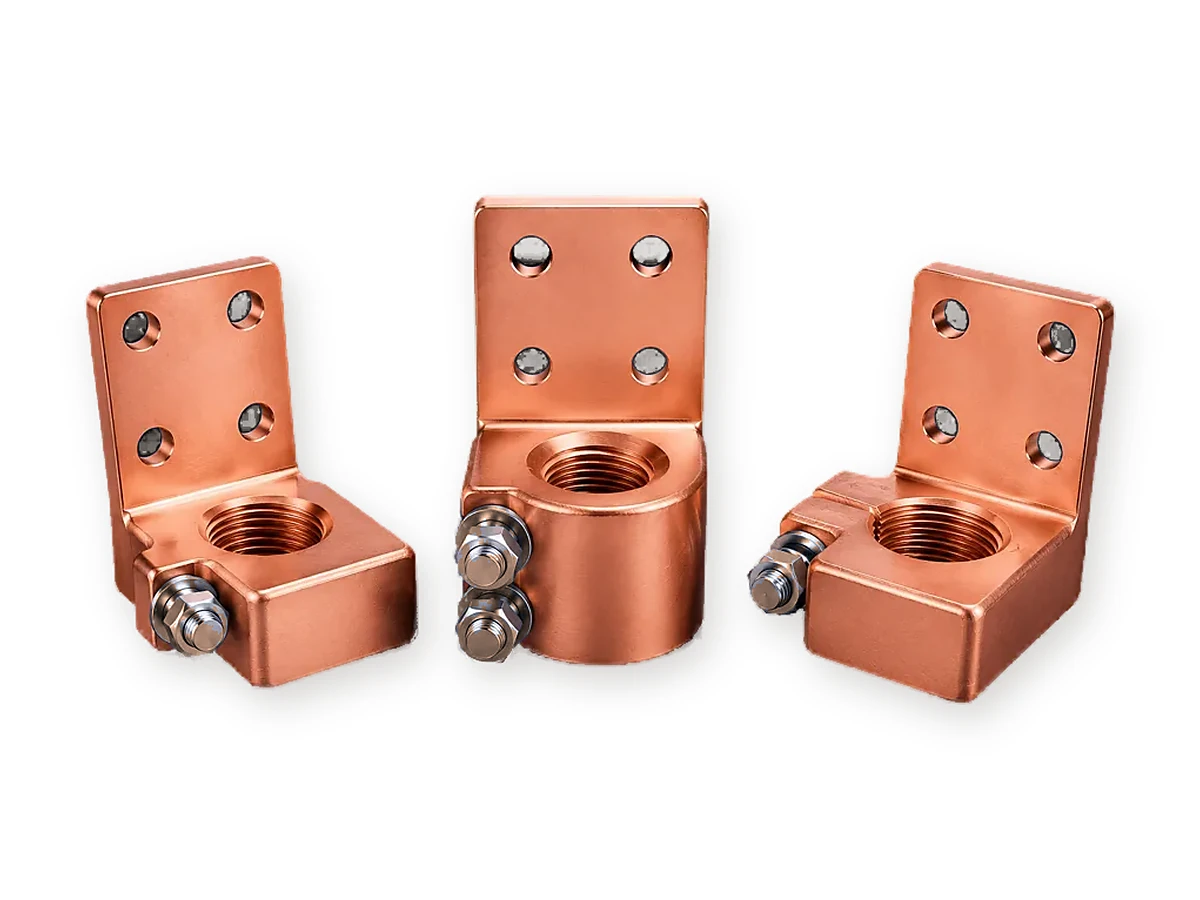
Copper and bronze stud connectors that join transformer bushing studs to cables and busbars, cast and threaded to your stud size.
Indicative price from
$9 /kg
Industry · Industrial & Manufacturing
Heavy-load bushes, gears and wear parts for sugar mills, cement and steel plants and process machinery.
Products for sugar, cement, steel & heavy machinery
Copper and bronze stud connectors that join transformer bushing studs to cables and busbars, cast and threaded to your stud size.
Indicative price from
$9 /kg
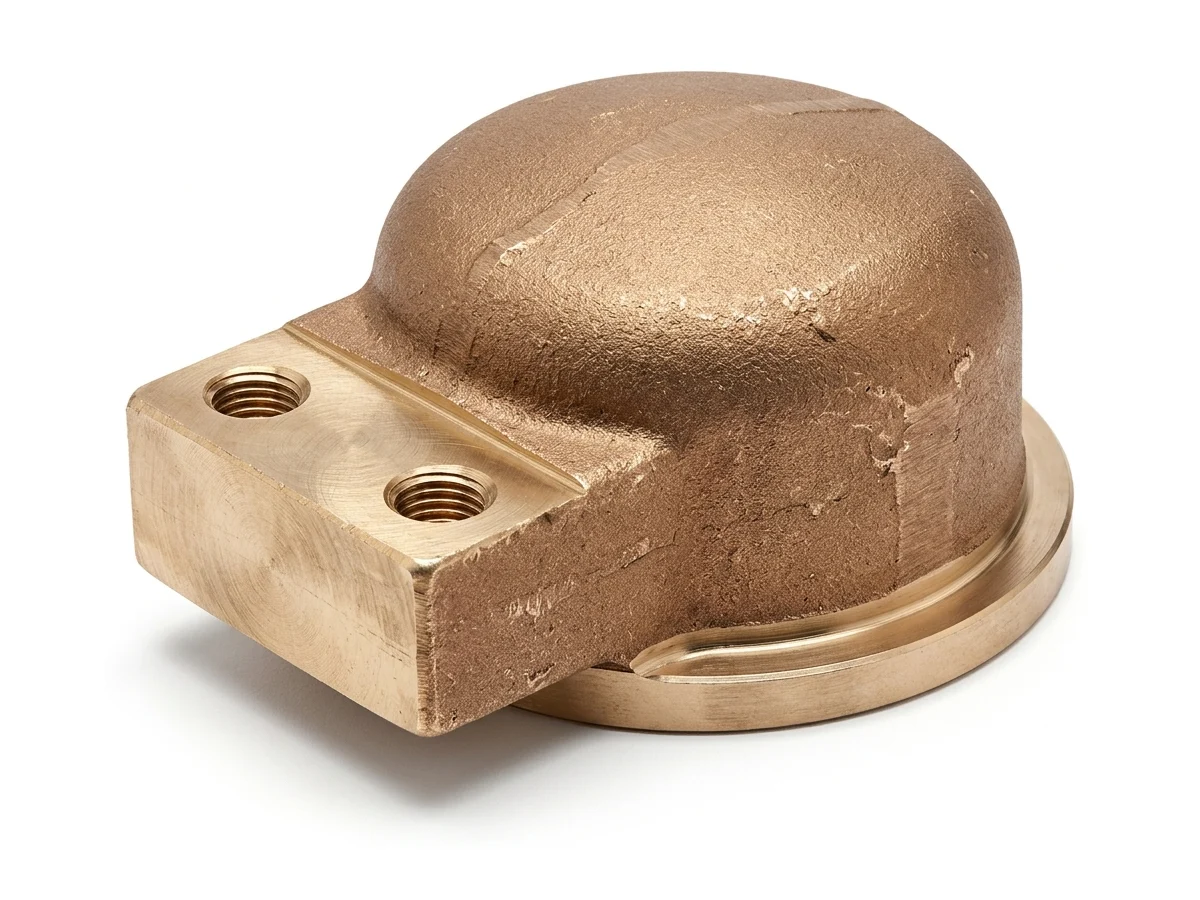 Representative image
Cast bushing caps and threaded terminal pads in copper alloy and bronze for transformer bushings.
Indicative price from
$9 /kg
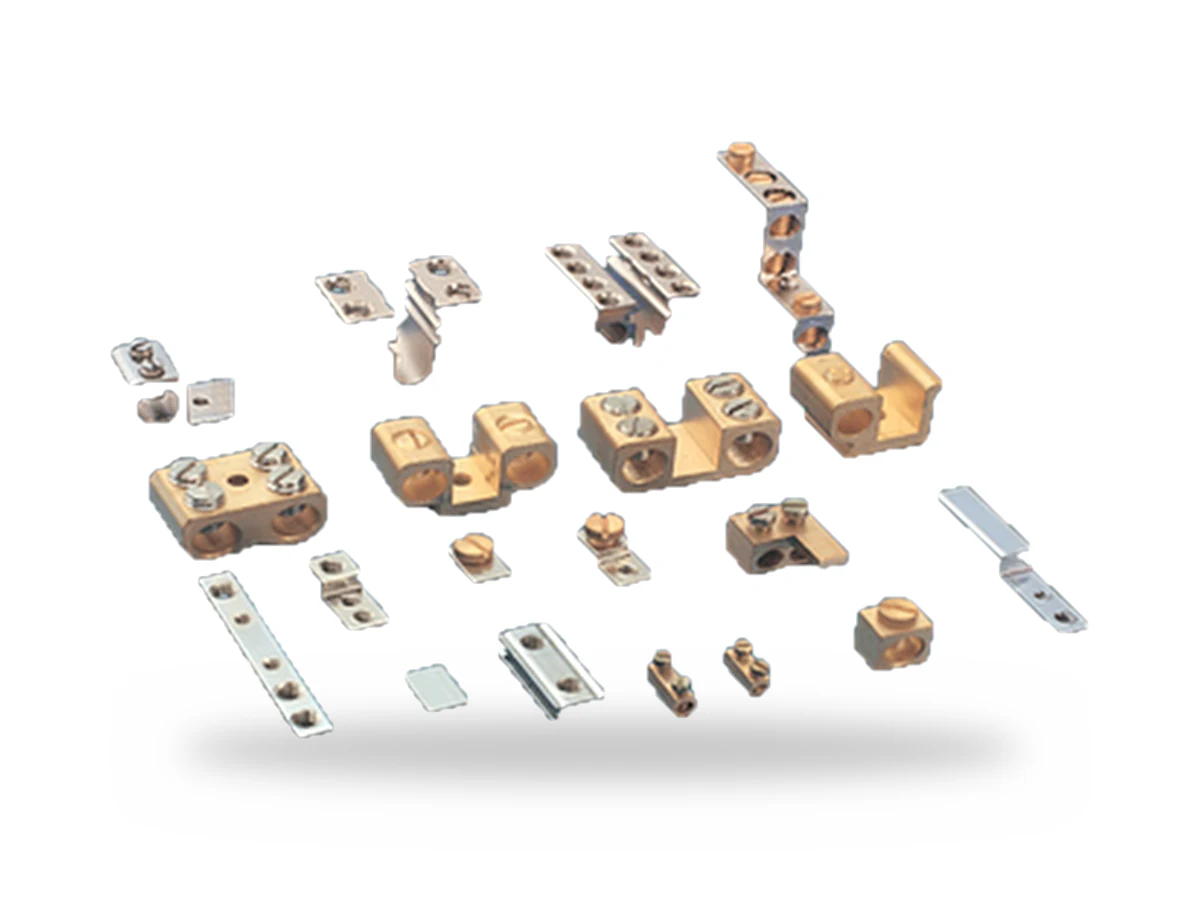
Cast terminal supports and qualified contact carriers in copper alloys for switchgear and electrical equipment.
Indicative price from
$9 /kg
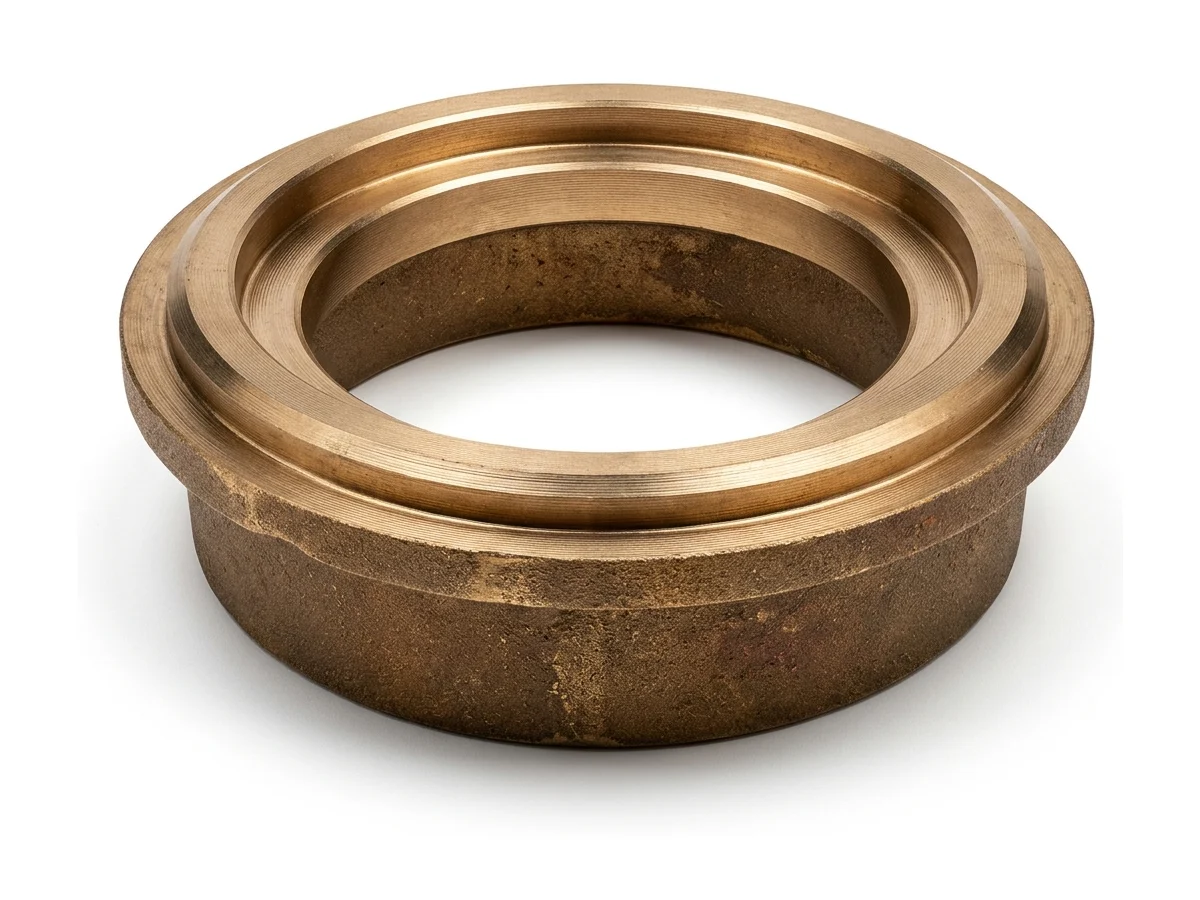 Representative image
Bronze and cast-alloy pump wear rings that keep impeller clearance tight and pump efficiency high.
Indicative price from
$13 /kg
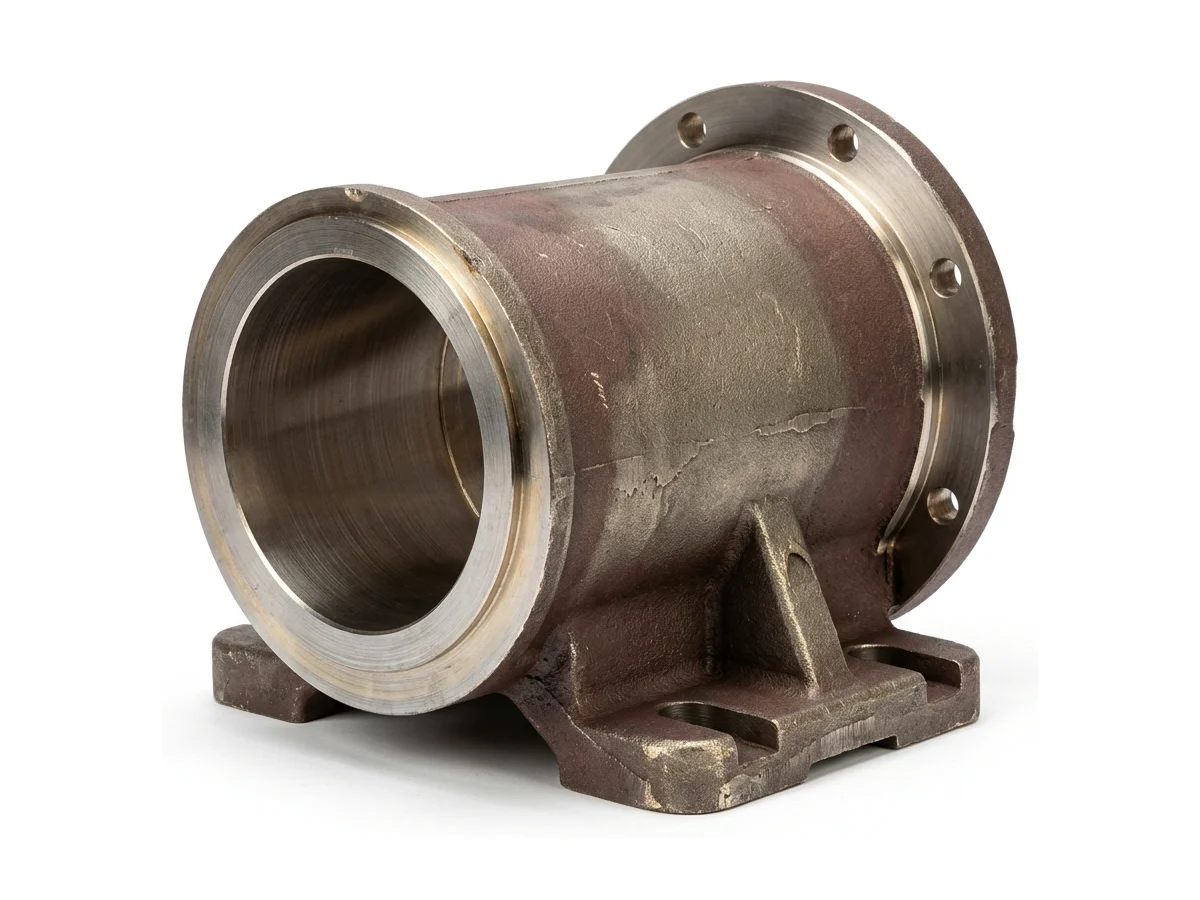 Representative image
Cast bronze stern-tube and shaft-support bearing housings for propeller shafts.
Indicative price from
$11 /kg
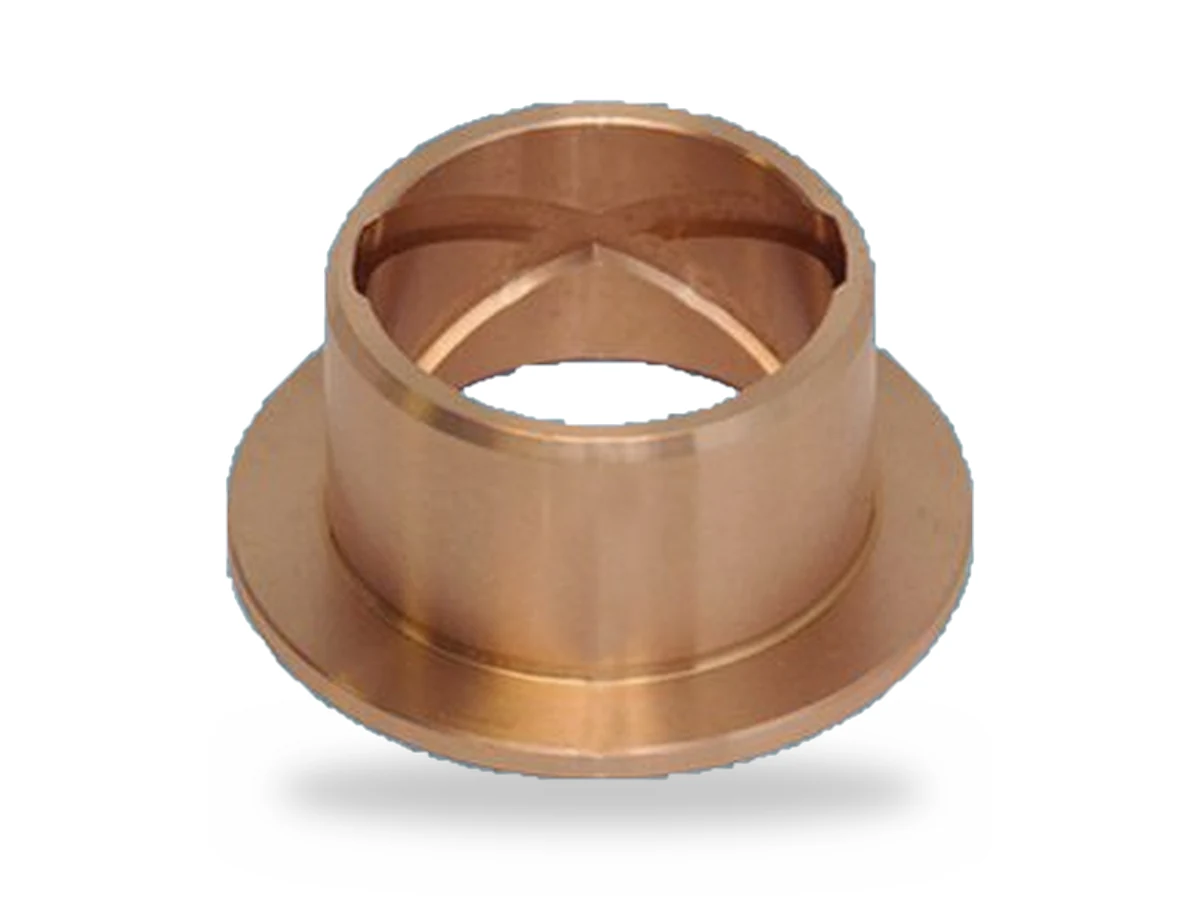
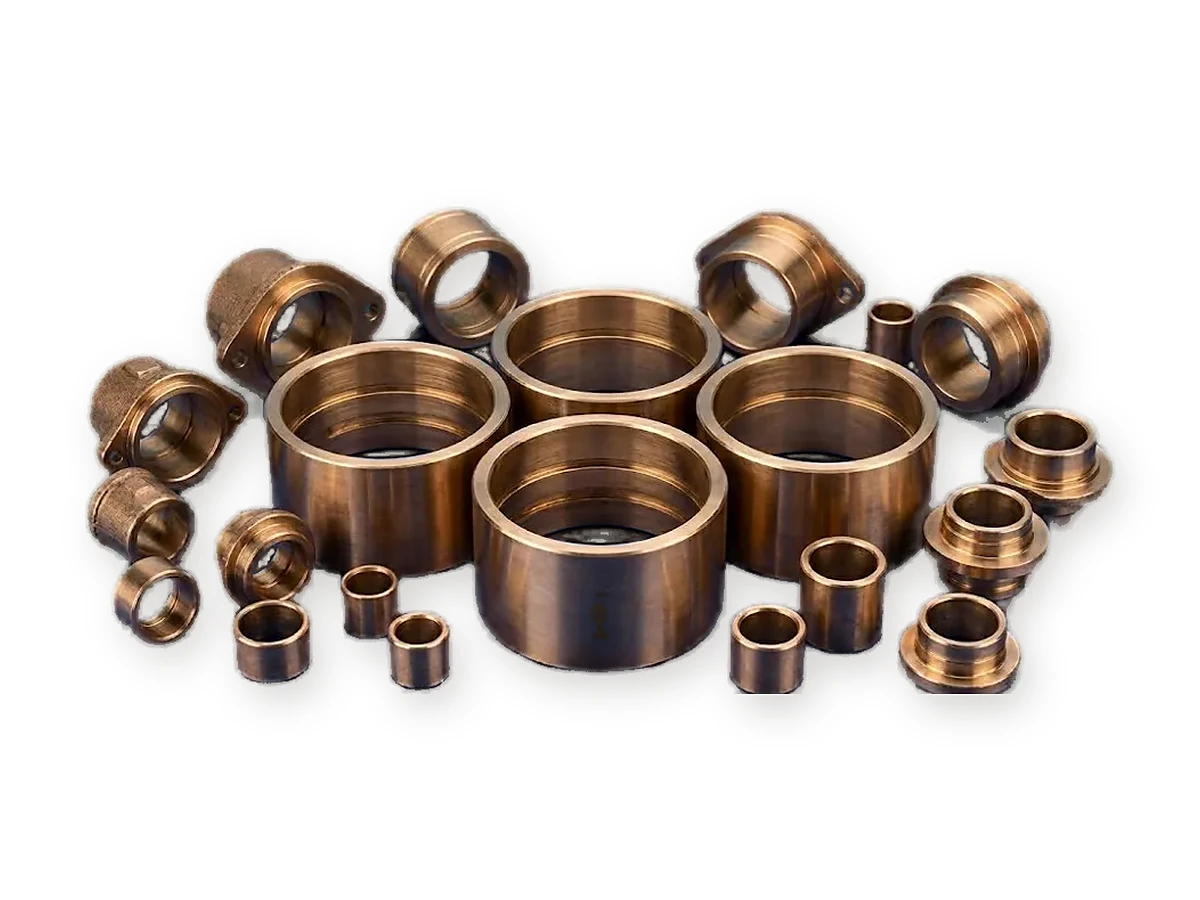
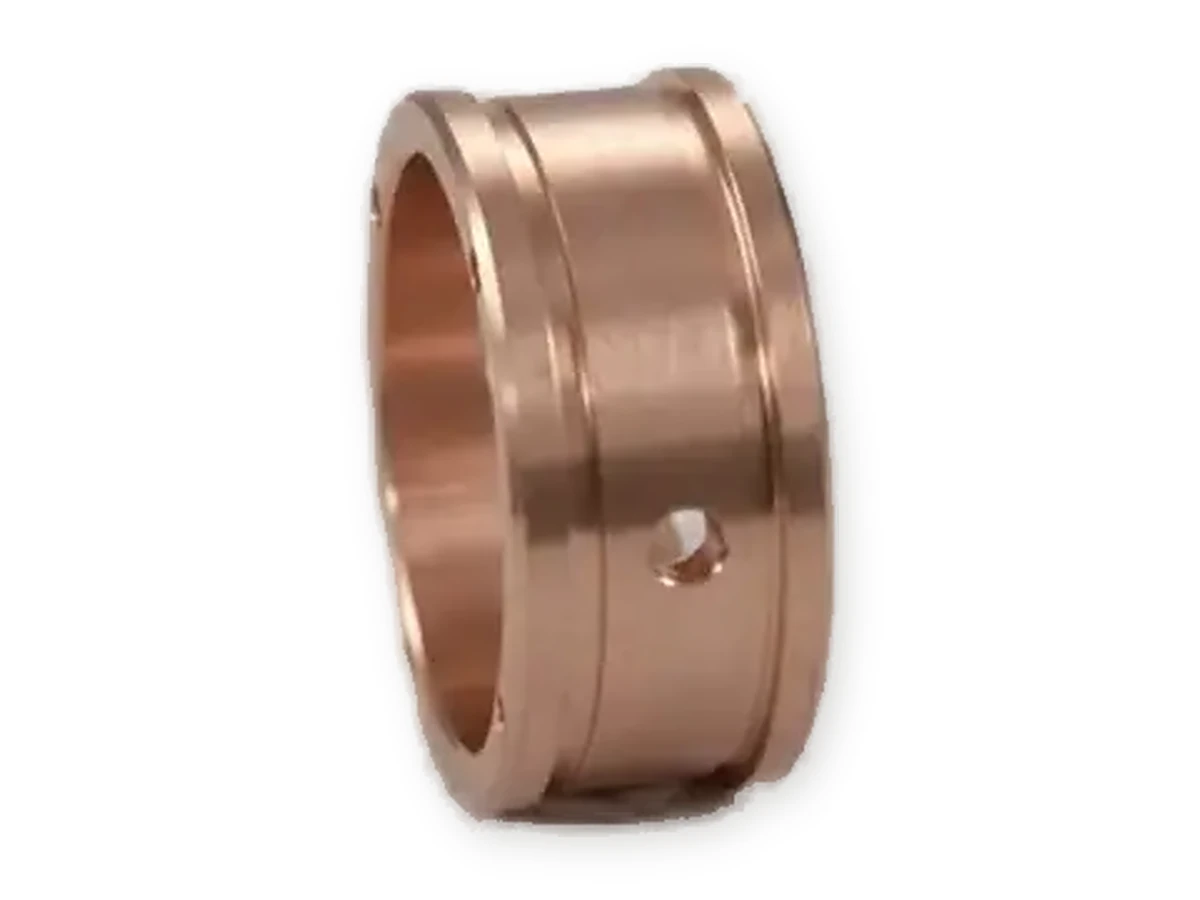
Cast and machined bronze bushings and bearings: plain, flanged and grooved bushes, finished bearing bushes and split shells.
Indicative price from
$11 /kg

Centrifugally cast bronze sleeves and hollow cylindrical blanks for machining.
Indicative price from
$11 /kg
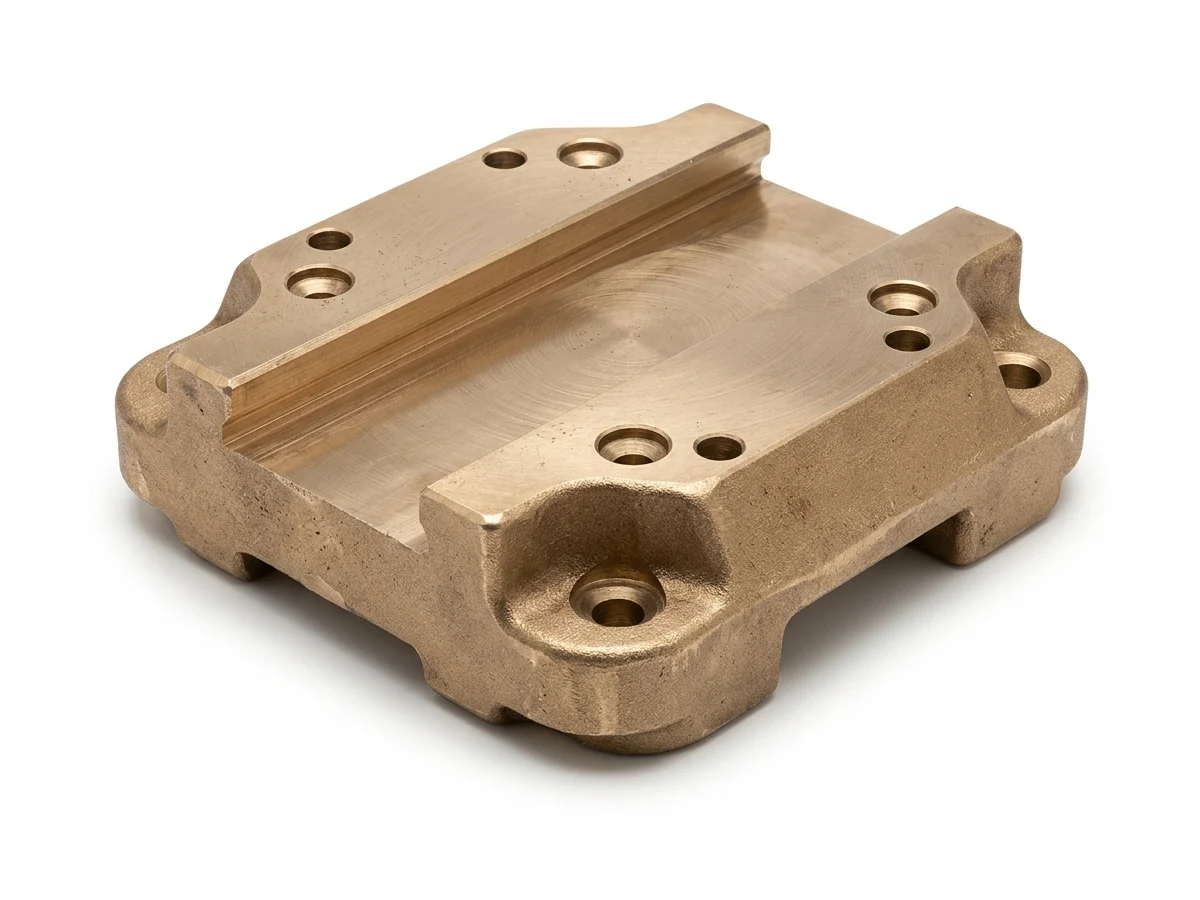 Representative image
Bronze wear plates and machined cast guide blocks for sliding surfaces.
Indicative price from
$11 /kg
Alloy × process pages for this industry.
Castings for sugar, cement, steel & heavy machinery
Sugar mills, cement plants, steel works, paper mills and other heavy process industries buy large non-ferrous castings for the parts that carry enormous loads at slow speeds: roll-neck and journal bearings, mill bushes, worm wheels and gear rims, slipper pads, thrust washers, wear liners, pump parts and water-cooled components. Downtime in these plants is extremely costly, often lakhs of rupees or thousands of dollars per hour, and many of these parts are replaced only during annual shutdowns. The bronze has to survive a full season of heavy, dirty, hot and sometimes wet service.
This guide covers the castings heavy-machinery builders and plant maintenance teams buy from a non-ferrous foundry, the alloys used and why, standards and specifications, inspection and documents, design advice for large bearings and gear rims, and how to order. Conex Casting Foundry in Jamnagar, Gujarat, produces sand, centrifugal and continuous castings in copper-base alloys and stainless steel, machines them in-house, and exports to more than 34 countries.
A sugar mill tandem crushes cane between heavy grooved rolls. The roll journals run in large bronze bearings (top and side brasses, also called bearing shells or "mill brasses") that carry very high loads at low speed, with juice, bagasse and water around them. Gunmetal and leaded tin bronze are traditional, often water-cooled through cored passages in the casting. Mills also use bronze bushes in pinions and couplings, phosphor bronze worm wheels in drives, gunmetal juice-pump impellers and valve parts, and bronze wear strips in carriers and cane knives assemblies.
Ball mills, vertical roller mills, kilns and crushers rely on large bronze bearings and thrust pads. Kiln support rollers run in bronze-lined bearings; ball-mill trunnions use white-metal or bronze bearings; girth-gear pinion drives and gearbox bushes use bronze. Aluminum bronze wear parts are used in some handling equipment, and gunmetal pump and valve parts serve water systems.
Rolling mills use bronze for roll-neck bearings in older stands, screw-down nuts (large phosphor bronze or aluminum bronze nuts on the screw that sets roll gap), slipper and wear plates, chock liners, and water-cooled copper parts such as tuyeres, lances and cooling plates in furnaces. Continuous casters use copper and copper-alloy components; cooling-water systems use gunmetal and bronze valves and pumps.
Paper machines use bronze in dryer journal bushes, suction-roll components and stock pumps; textile machinery uses bronze bushes and gear parts; fertilizer and chemical plants use bronze and stainless pump and valve parts for corrosive liquids.
| Part | Typical alloys | Process |
|---|---|---|
| Sugar mill roll bearings (mill brasses) | Gunmetal LG2 / C83600 / CC491K, leaded tin bronze C93200, tin bronze C90500 / LG4 | Sand cast with cooling cores, machined |
| Kiln and mill support bearings | Leaded tin bronze C93200, high-lead bronze C93800, aluminum bronze C95400 | Sand or centrifugal cast, machined |
| Screw-down nuts | Phosphor bronze C90700 / PB1, aluminum bronze C95400 / AB1, high-tensile brass HTB1 | Sand or centrifugal cast, threaded |
| Worm wheels and gear rims | Phosphor bronze C90700 / CC481K, nickel tin bronze C91700 | Centrifugal cast rim, machined |
| Slipper pads and wear plates | Aluminum bronze C95400 / C95500, high-tensile brass C86300 | Sand cast, machined |
| Thrust washers and collars | Leaded tin bronze, aluminum bronze | Continuous or sand cast, machined |
| Juice, slurry and water pump parts | Gunmetal C83600, tin bronze C90300, aluminum bronze C95800, CF8M, CF3M | Sand or shell cast, machined |
| Water-cooled furnace parts | High-conductivity copper C81100, chromium copper C81500 | Sand cast, machined, pressure tested |
Heavy-industry bearings combine high unit loads, slow or oscillating motion, contamination, heat and often water. Alloy choice depends on which of these dominates.
The workhorses for sugar mill brasses and general heavy bearings. LG2 (C83600 / CC491K) and C93200 combine adequate strength with good embeddability and anti-seizure behavior. Their tolerance of contamination by bagasse, juice, dust and scale is the main reason they remain standard. Tin bronze LG4 (C90500 type) is chosen for higher loads where lubrication is reliable.
C93700 and C93800 carry more lead for better behavior under poor lubrication and misalignment, at somewhat lower strength. They suit kiln rollers and other bearings where a full oil film cannot be guaranteed.
For the highest static and shock loads — screw-down nuts, slipper pads, heavily loaded bushes — aluminum bronze (C95400, C95500, AB1, AB2) offers twice the strength of leaded bronze with excellent fatigue and wear resistance. It needs hard, smooth mating surfaces and good lubrication.
For worm wheels, screw-down nuts and gear rims, phosphor bronze (PB1, C90700) gives the right combination of hardness, wear resistance and compatibility with hardened steel worms and screws.
Several heavy-industry parts are cast with internal water passages: sugar mill brasses, furnace cooling plates, tuyeres, lances and some bearing housings. Producing them well needs:
Heavy-industry parts can be large and heavy. Sand casting suits big bearings, pads and housings; centrifugal casting produces large sound rims and sleeves. When ordering large parts, buyers should agree the pattern (whether supplied by the buyer or made by the foundry), lifting points, machining allowance, and how the part will be packed and shipped. Wooden patterns for large one-off castings are often retained by the foundry for future repeat orders, saving time and cost at the next shutdown.
Plant drawings, particularly older ones, often name legacy grades. The foundry should confirm the current equivalent before casting, so the buyer receives the intended alloy.
Most heavy plants replace bearings and wear parts during planned shutdowns: the off-season in sugar mills, kiln stops in cement plants, scheduled maintenance in steel mills. Castings must arrive before the shutdown starts. Good practice is to:
When a heavy-industry bearing is removed at shutdown, its condition tells the maintenance team a great deal about how the machine has been running. Looking carefully before ordering the replacement helps avoid repeating the same failure.
Sharing photographs of the worn part with the foundry when placing a replacement order allows the alloy and design to be reviewed, not simply copied.
Large bronze castings are not a commodity. They depend on correct melting practice, sound gating and feeding for heavy sections, careful core work for cooling passages and accurate machining of large bores and threads. Conex combines sand, centrifugal and continuous casting with in-house CNC machining in Jamnagar, so heavy bearings, nuts and rims can be supplied fully finished, with material test certificates and inspection reports under an ISO 9001:2015 quality system. Patterns can be kept for repeat orders, and parts are packed for export to plants in India and more than 34 countries.
Questions buyers ask
Aluminum bronze for very high loads at low speed; phosphor bronze for high loads with good lubrication; SAE 660 for general use.
Yes — centrifugal or sand cast blanks in tin and phosphor bronze, rough or finish machined.
Usually gunmetal (LG2 / C83600) or leaded tin bronze, sometimes tin bronze LG4 for higher loads. Many are water-cooled through cored passages.
Yes. Bearings with cored cooling passages can be cast, machined and hydrostatically tested.
Screw-down nuts in phosphor bronze, aluminum bronze or high-tensile brass can be cast and threaded to drawing.
Yes. The part can be measured and a drawing prepared for approval before casting.
Patterns can be retained for repeat orders, which shortens lead time for the next shutdown.
Yes, centrifugally cast phosphor bronze rims, rough or machined.
Material test certificates (EN 10204 3.1 on request), dimensional reports, pressure-test and NDT reports as ordered, and third-party inspection when required.
Only if the journal is hard and smooth and lubrication is reliable. Aluminum bronze carries higher loads but is less tolerant of dirt and dry running, so in contaminated sugar or cement service a leaded bronze often lasts longer.
Ideally several months before the shutdown, so there is time for pattern work, casting, machining, testing and shipping, plus a margin if any part needs to be re-made.
Send your drawing, get a quotation.
DWG, PDF, STEP or a sample photo — with quantity and destination port.

Conex Export Desk
Talk to our export team
Working on a new casting? Tell us the part and we'll connect you with the right engineer today.