Transformer Bushing Stud Connectors
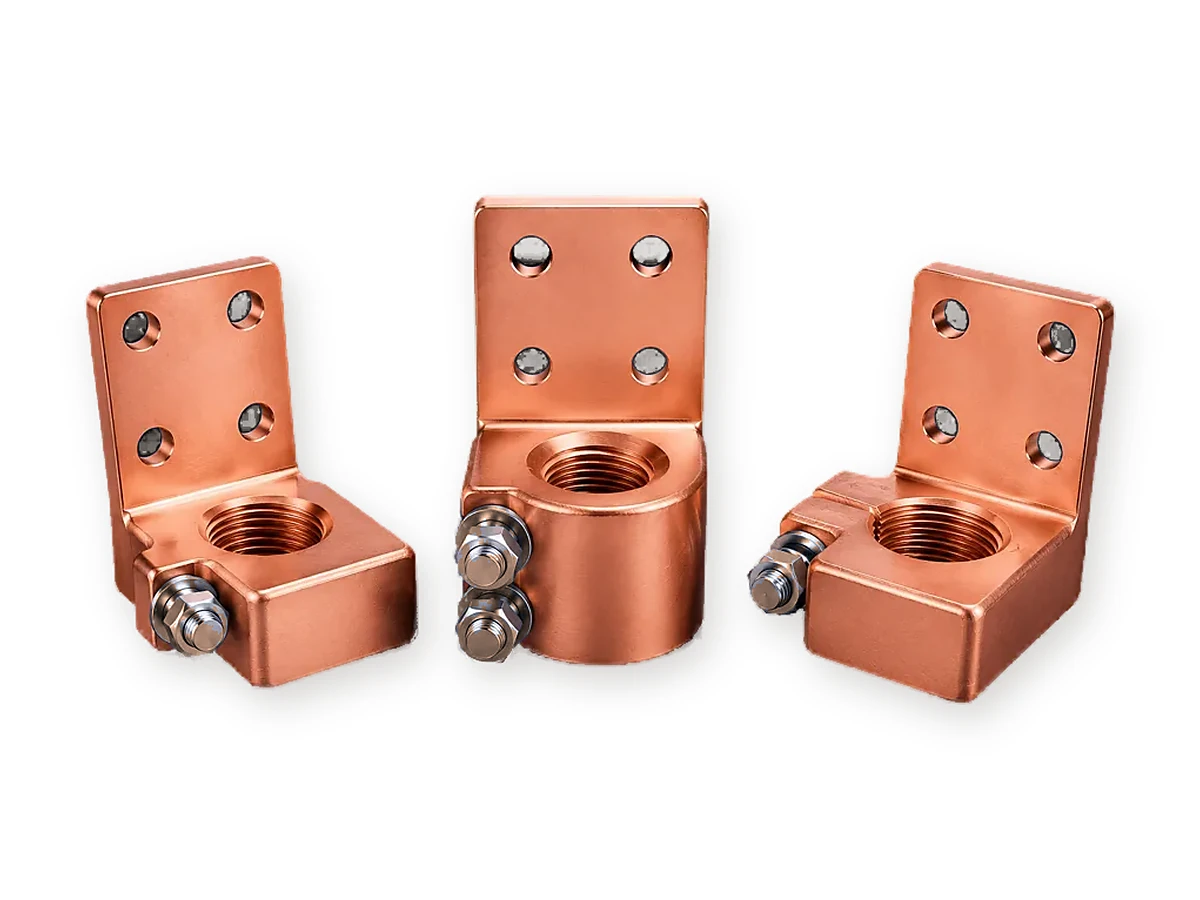
Copper and bronze stud connectors that join transformer bushing studs to cables and busbars, cast and threaded to your stud size.
Indicative price from
$9 /kg
Industry · Fluid & Marine
Pressure-tight bodies, bonnets, impellers and trim for water, oil and process service.
Products for pumps & valves
Copper and bronze stud connectors that join transformer bushing studs to cables and busbars, cast and threaded to your stud size.
Indicative price from
$9 /kg
 Representative image
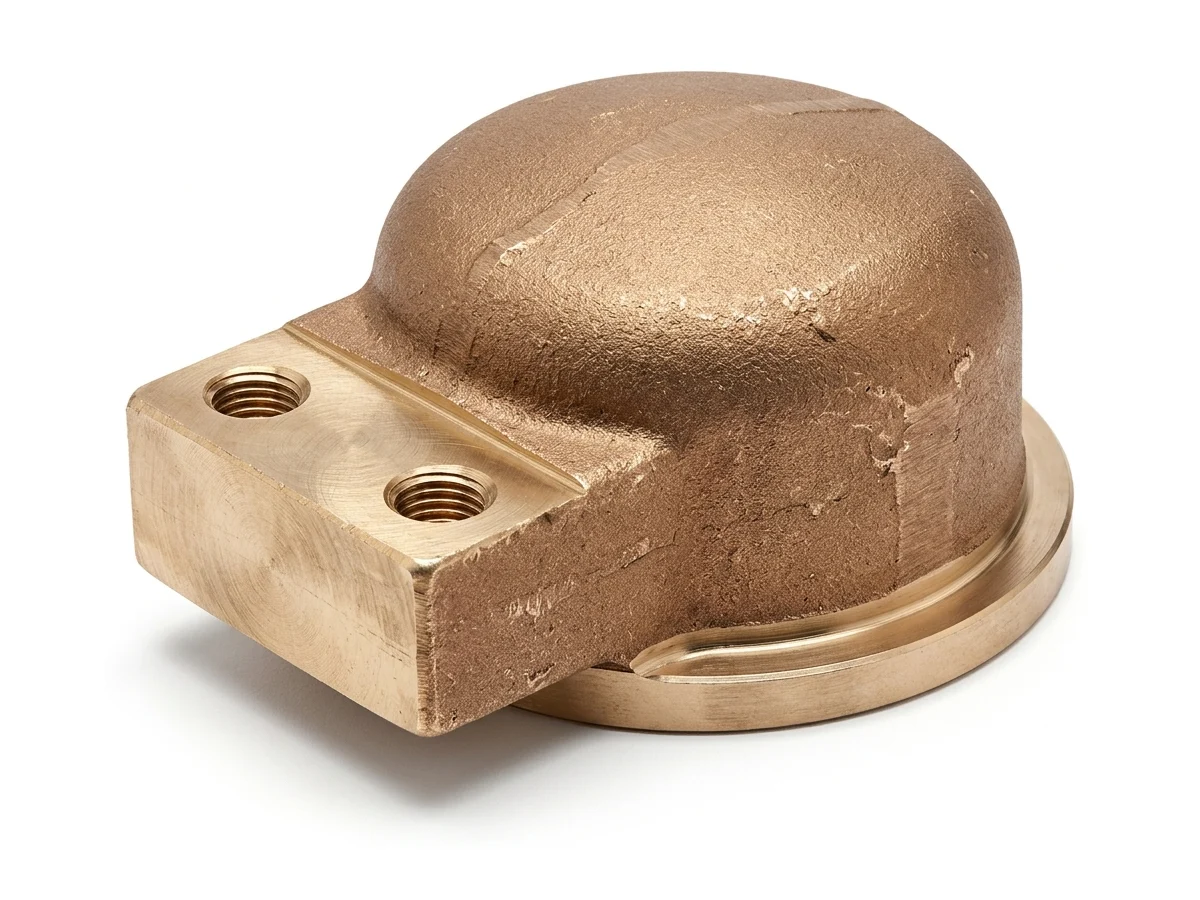
Cast bushing caps and threaded terminal pads in copper alloy and bronze for transformer bushings.
Indicative price from
$9 /kg
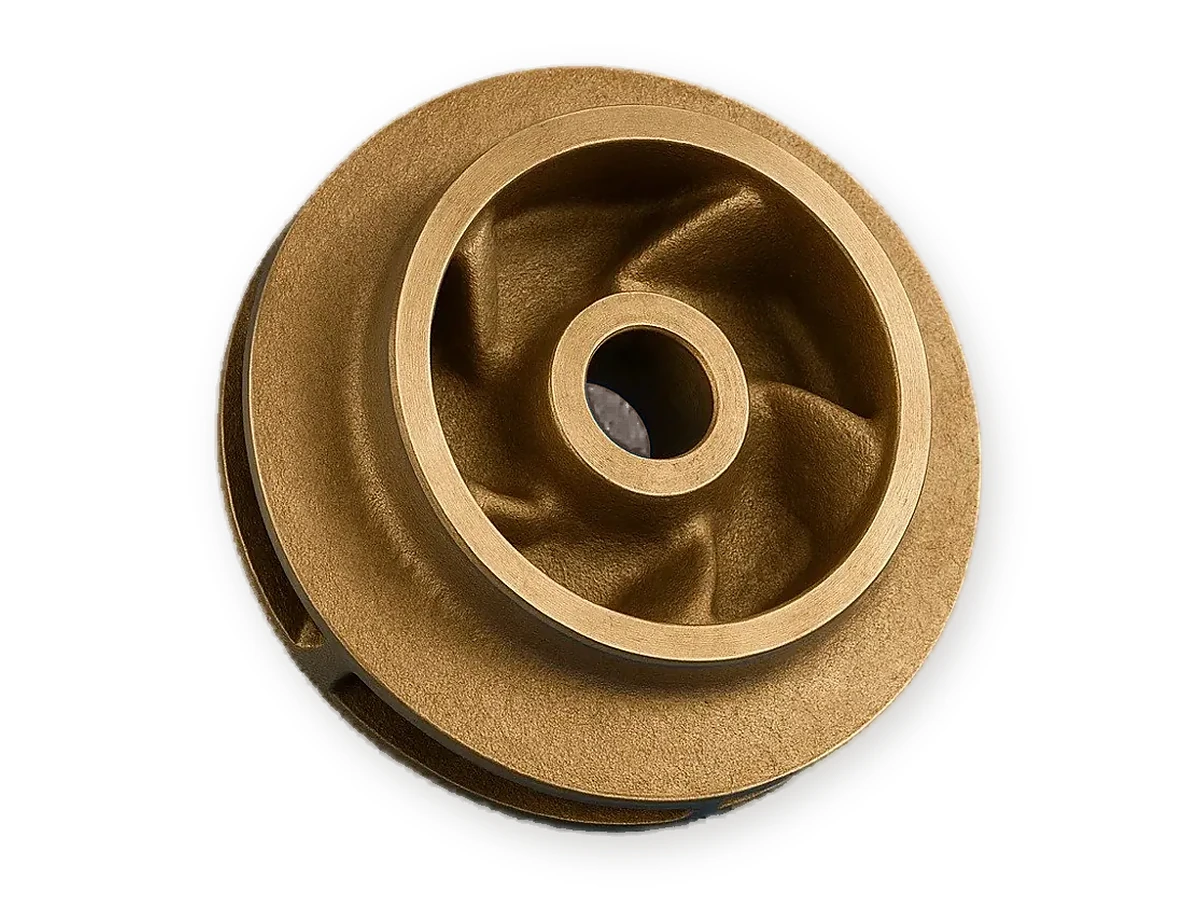
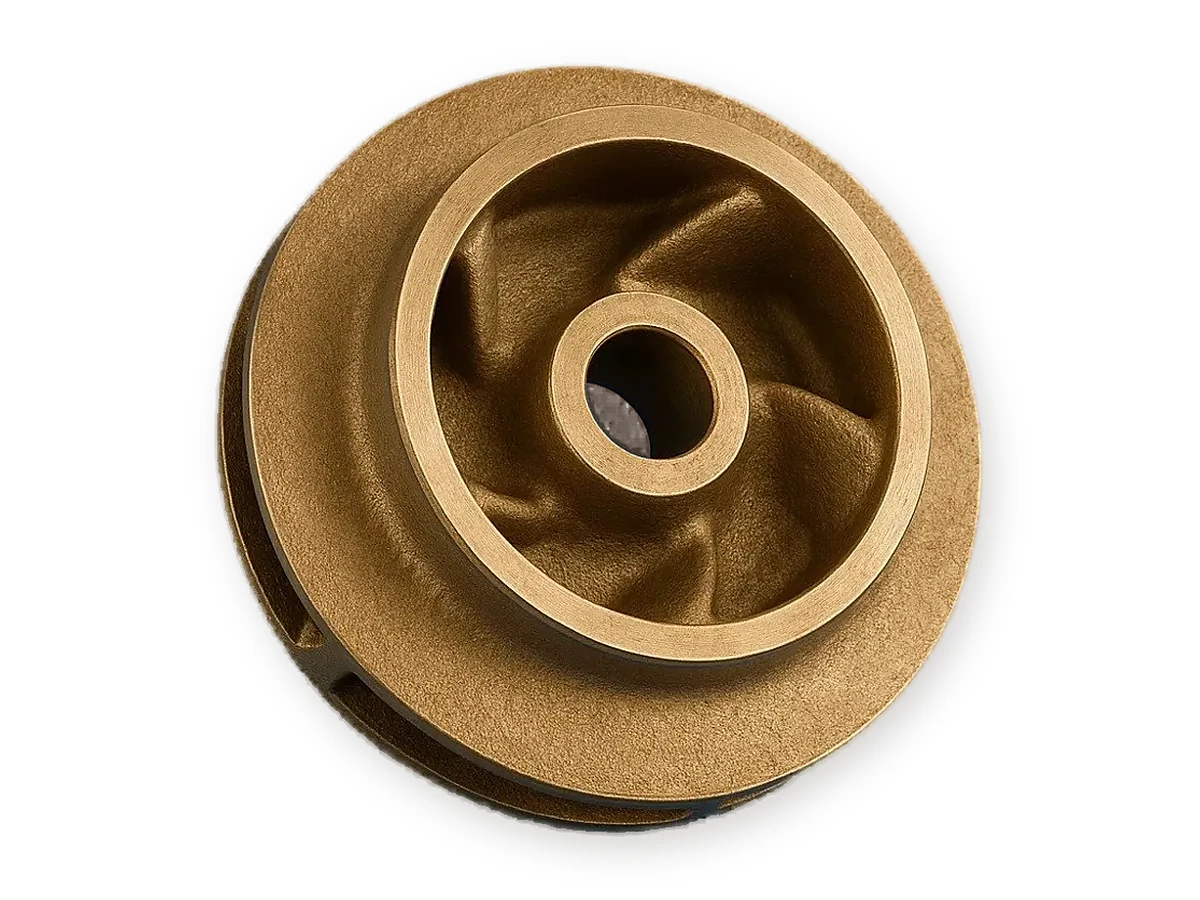
Bronze, nickel aluminum bronze and stainless steel pump impellers, cast, machined and balanced to your drawing.
Indicative price from
$13 /kg
 Representative image
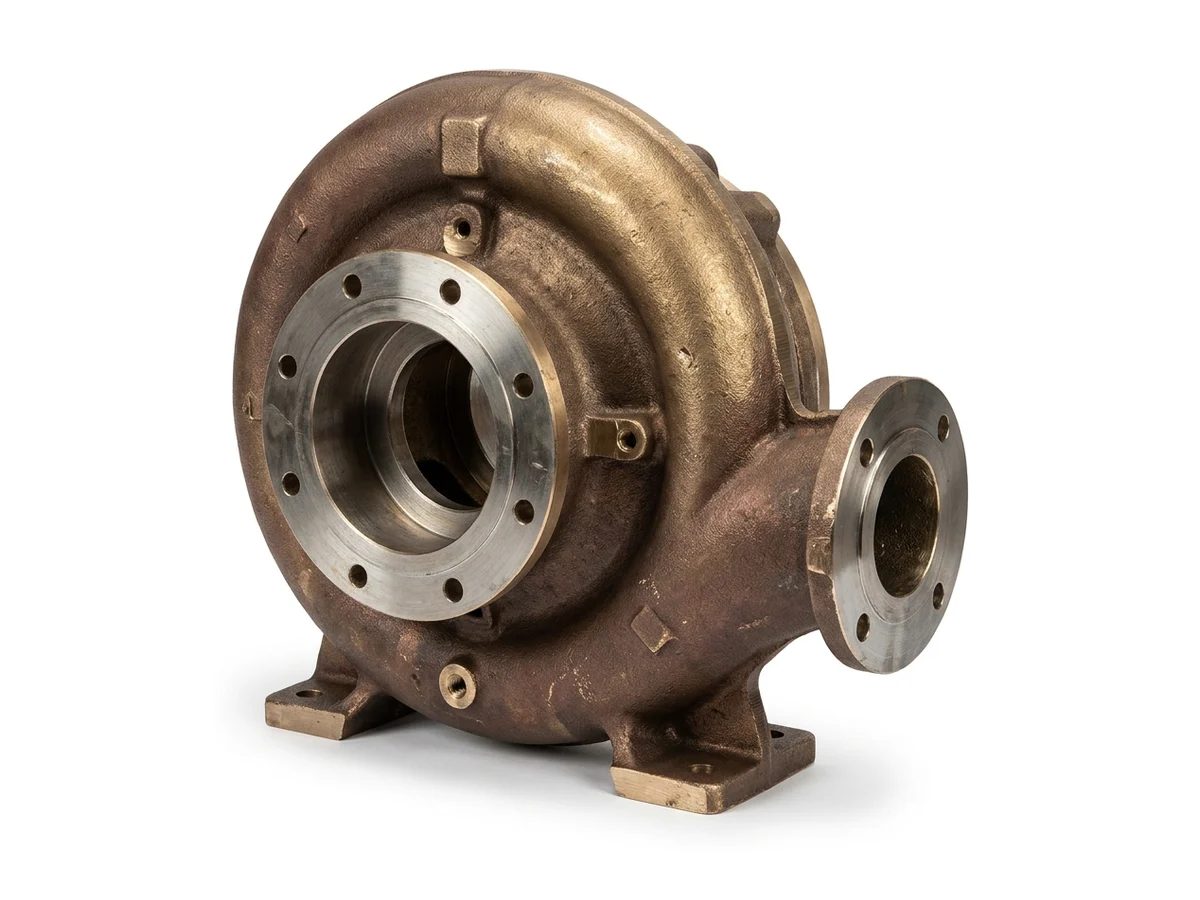
Bronze and stainless volute casings and pump housings, cast pressure-tight and machined to drawing.
Indicative price from
$13 /kg
 Representative image
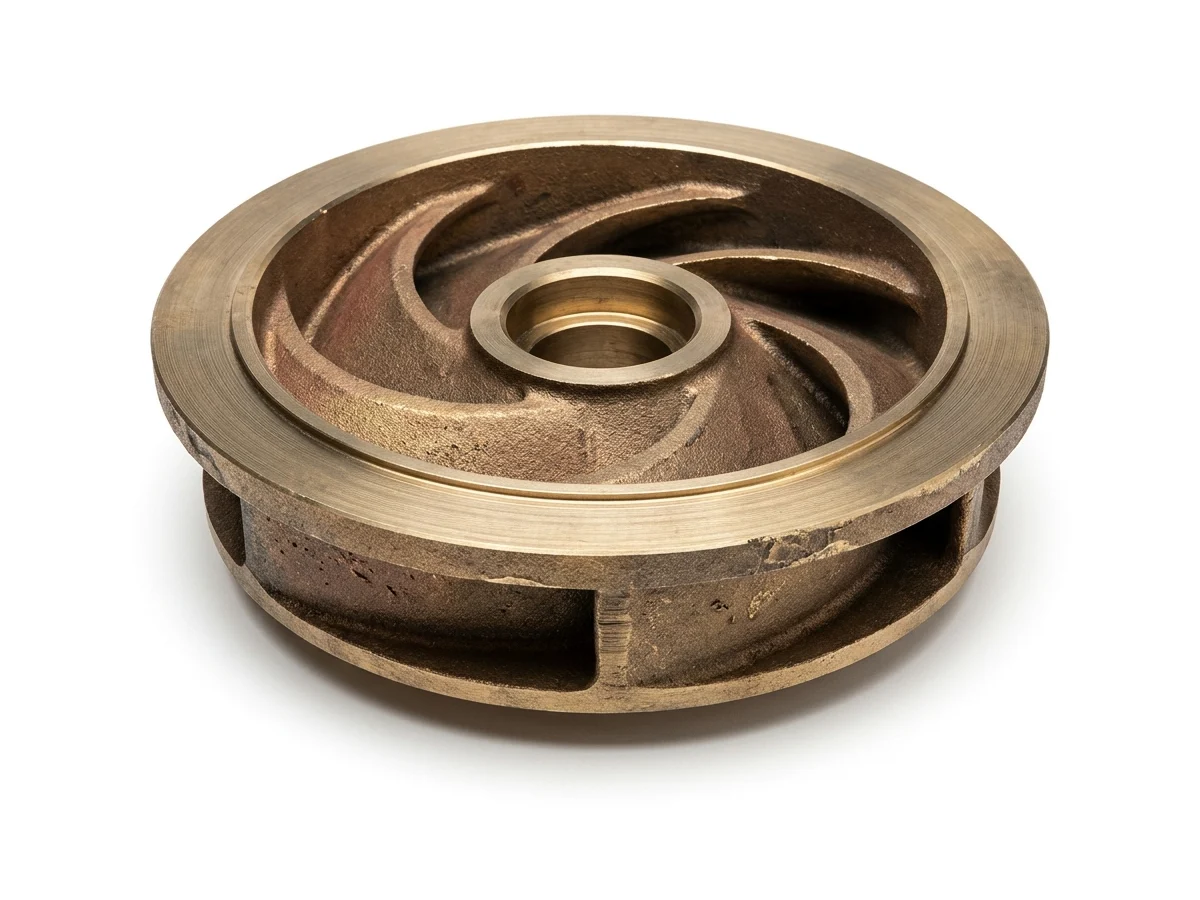
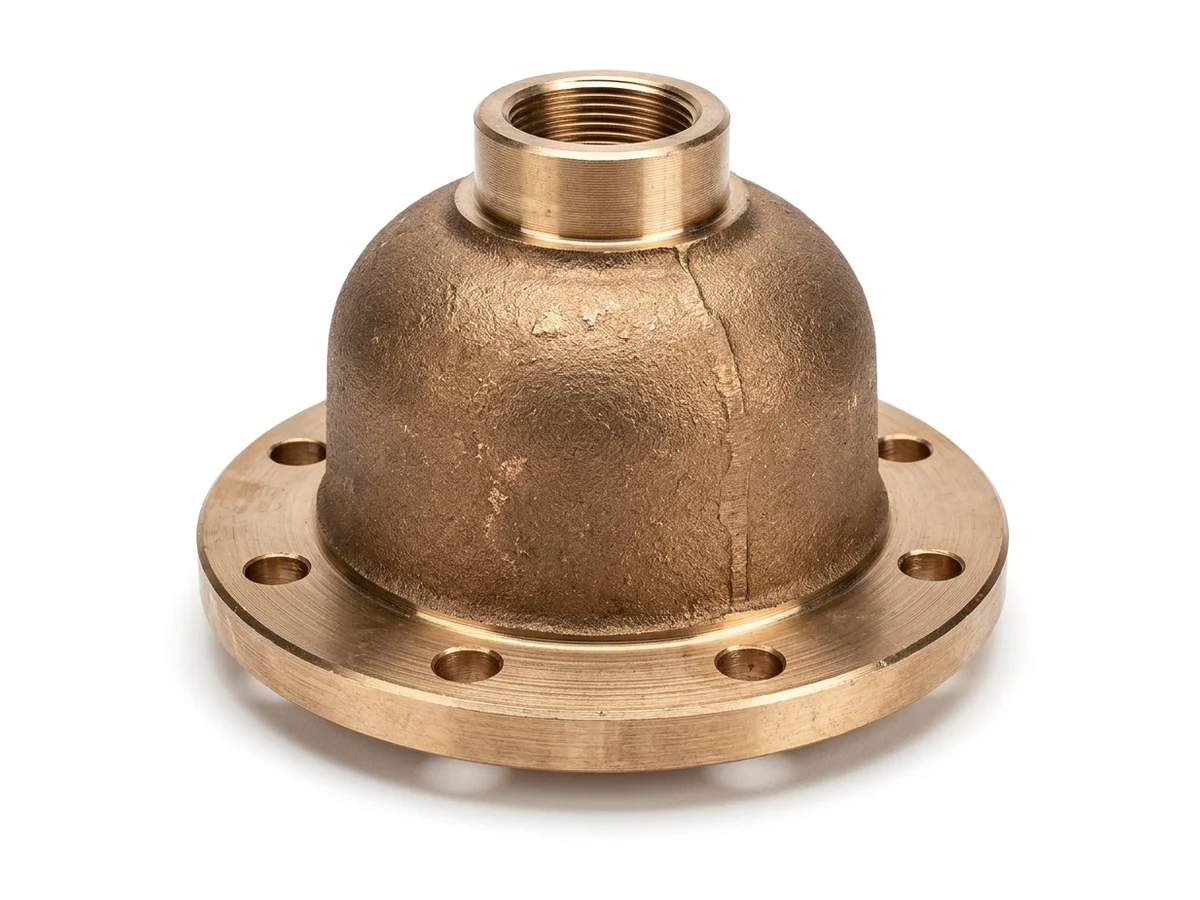
Cast diffuser bowls and diffuser components in bronze and stainless for multistage and vertical pumps.
Indicative price from
$13 /kg
 Representative image
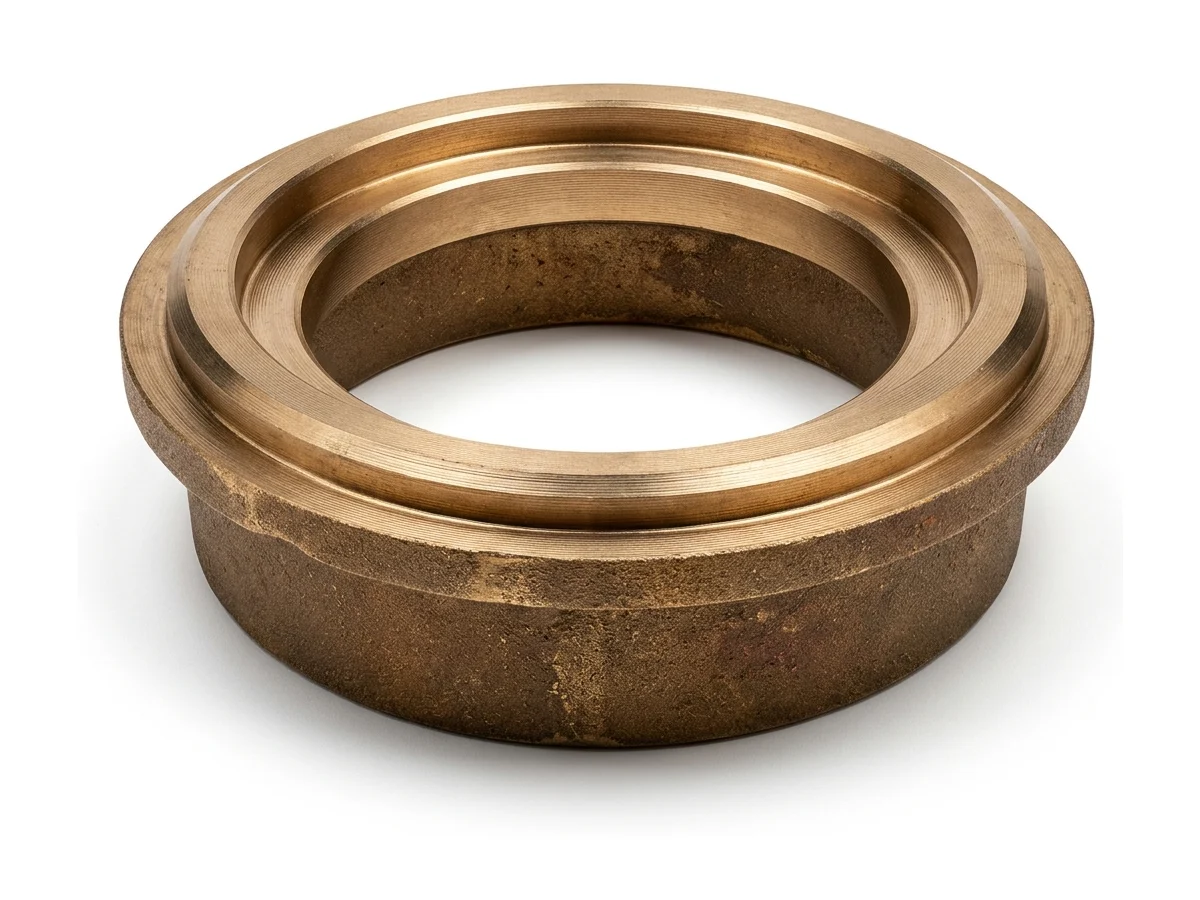
Bronze and cast-alloy pump wear rings that keep impeller clearance tight and pump efficiency high.
Indicative price from
$13 /kg
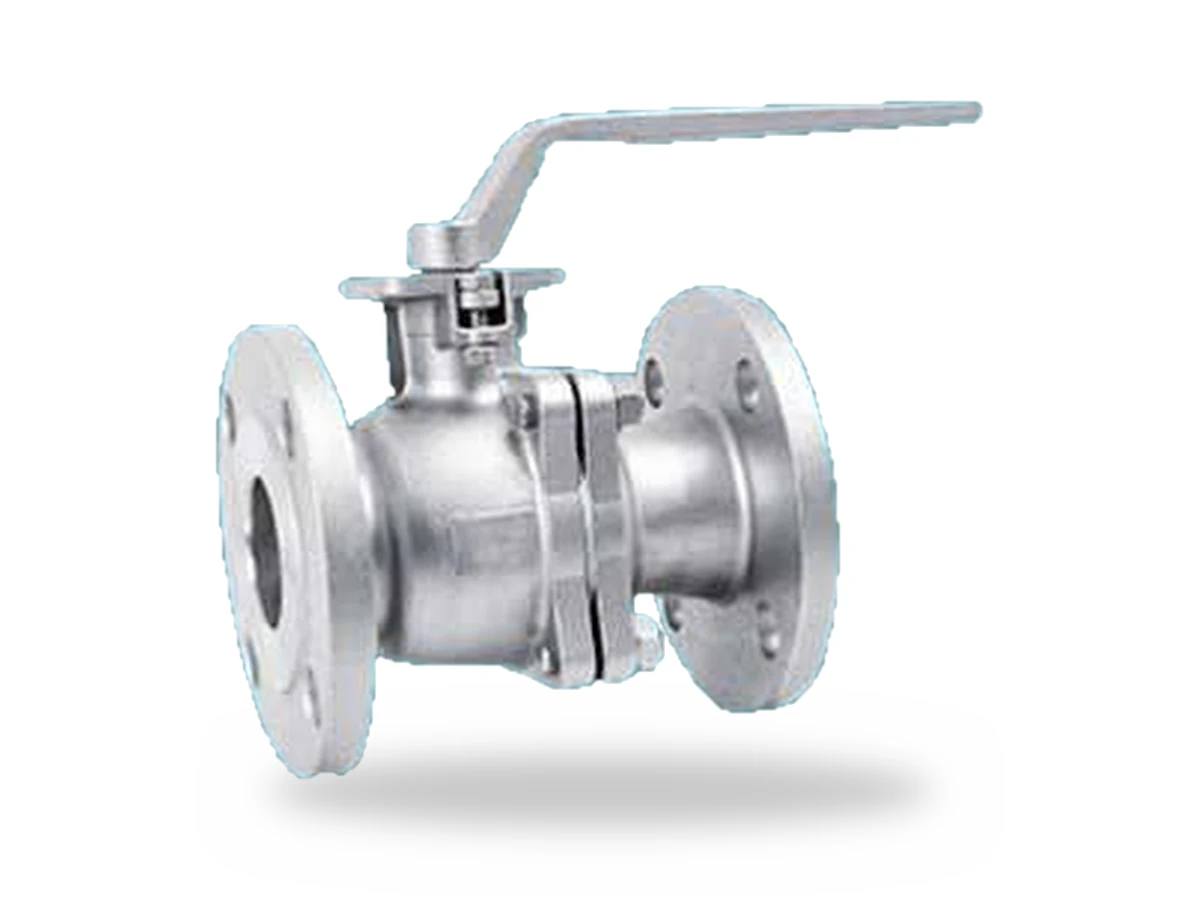
Bronze, gunmetal and stainless gate, globe, check and ball valve bodies, cast pressure-tight and machined.
Indicative price from
$9 /kg
 Representative image
Bronze, gunmetal and stainless valve bonnets, cast and machined to fit your valve bodies.
Indicative price from
$9 /kg
Alloy × process pages for this industry.
Castings for pumps & valves
Pump and valve manufacturers are among the largest buyers of non-ferrous and stainless castings: pump casings, impellers, diffusers, bowls, wear rings and shaft sleeves; valve bodies, bonnets, discs, wedges, seats, stems and glands — all of which must be pressure tight, resist the fluid they handle and keep accurate fits for years of service. Gunmetal, tin bronze, aluminum bronze, nickel aluminum bronze, silicon bronze, brass, copper-nickel and austenitic stainless steel are the main alloys. Choosing the right one for the fluid, pressure and velocity is the single most important decision for long pump and valve life.
This guide explains which pump and valve components are cast in non-ferrous and stainless alloys, how to choose alloys by service, the standards buyers specify, testing and documentation, design and ordering tips, and common mistakes. Conex Casting Foundry in Jamnagar casts and machines pump impellers, pump flanges, valve bodies and stainless pump parts and exports to more than 34 countries.
| Part | Function | Typical alloys | Process |
|---|---|---|---|
| Casings and volutes | Contain pressure and guide flow | C83600, C92200, C95800, CF8M, C96200 | Sand, shell, investment |
| Impellers (closed, semi-open, open) | Transfer energy to the fluid | C83600, C90300, C95400, C95800, CF8M, CF8, CA15 | Sand, investment, shell |
| Diffusers and bowls | Convert velocity to pressure in multistage and vertical turbine pumps | C83600, C90300, C95800, CF8M | Sand, investment |
| Wear rings | Control leakage between impeller and casing | C93200, C90500, C95400, CA15 | Centrifugal / continuous cast |
| Shaft sleeves and bushes | Protect shafts, support line shafts | C93200, C95400, CF8M | Centrifugal / continuous cast |
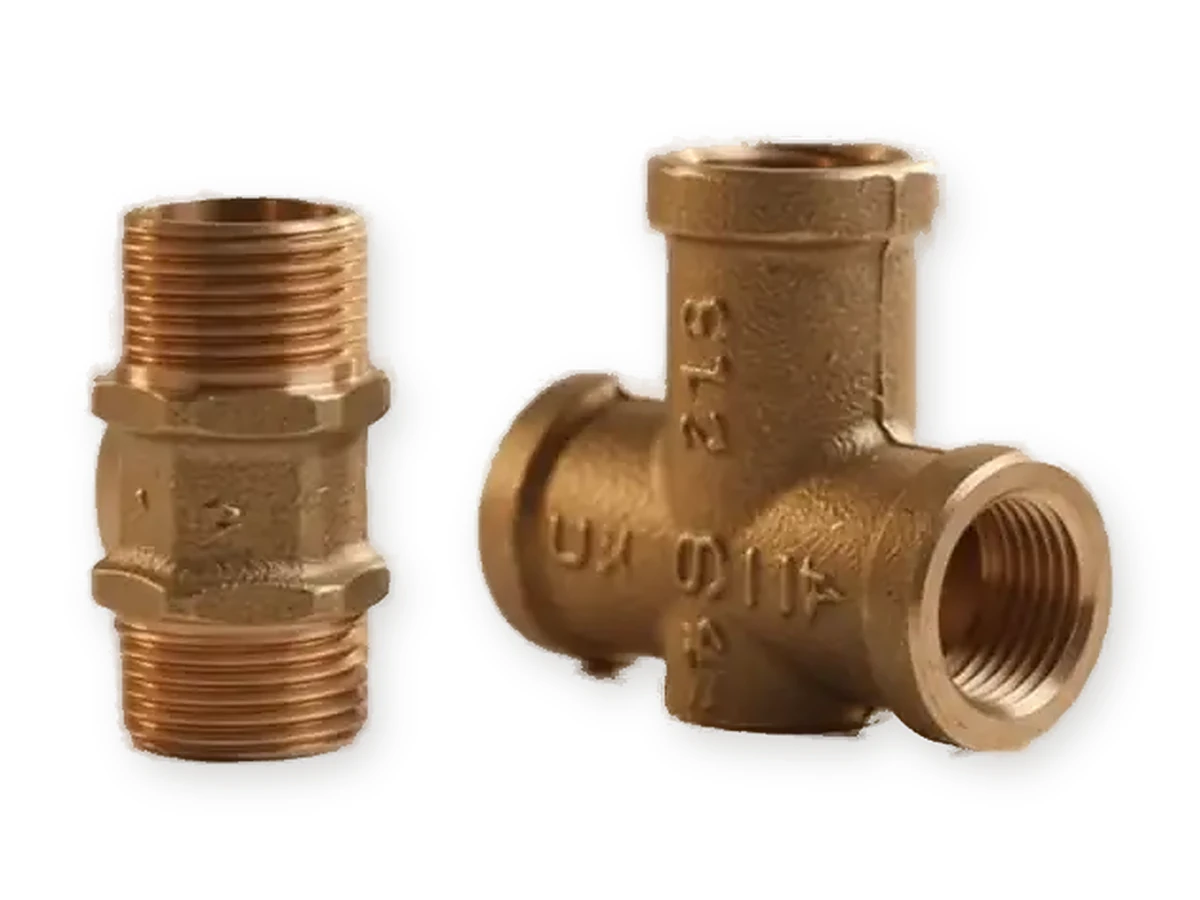
| Pump flanges and fittings | Connect pump to piping | C83600, C92200, CF8M | Sand, centrifugal |
| Gland followers and stuffing-box parts | Seal the shaft | Gunmetal, bronze | Sand, machined |
| Part | Function | Typical alloys | Process |
|---|---|---|---|
| Bodies | Pressure boundary of gate, globe, check, ball and butterfly valves | C83600, C84400, C92200, CW617N (forged), C95800, CF8M | Sand, shell, gravity die, investment, hot stamping |
| Bonnets and covers | Close the body, carry stem and packing | Same as body | Sand, shell, gravity die |
| Discs, wedges and plugs | Close the flow path | C90500, C95400, C95800, CF8M, CA15 | Sand, investment |
| Seats and seat rings | Sealing surfaces | C90500, C95400, CA15, stellite-faced stainless | Centrifugal, machined |
| Stems and spindles | Operate the closure | Silicon bronze, C46400, aluminum bronze C63000, 410 / 316 stainless | Machined from bar |
| Glands, gland nuts, yokes | Packing and operation | Gunmetal, brass, bronze | Sand, machined |
The fluid, its temperature, its velocity and the presence of solids or chlorides decide which alloy will last. A pump impeller that runs for years in clean fresh water may fail in months in seawater or abrasive slurry.
| Service | Common pump alloys | Common valve alloys | Notes |
|---|---|---|---|
| Clean fresh water, HVAC, fire water | C83600, C90300, C87600 | C83600, C84400, DZR brass, CF8 | Gunmetal is the traditional workhorse |
| Drinking water | Lead-free bronze C89833, CF8M | Lead-free bronze, DZR brass, CF8M | Check NSF/ANSI 61 / 372 or local rules |
| Steam and hot water | — | C92200 (steam bronze), CF8M | Observe pressure-temperature ratings |
| Seawater, brackish water | C95800 NAB, CF8M, C96400 | C95800, C96200, CF8M | NAB resists velocity and cavitation best |
| Abrasive water, mild slurry | C95400, CA15, CF8M | C95400, CA15 trim | Harder alloys resist erosion |
| Chemicals and process fluids | CF8M, CF3M | CF8M, CF3M | Check chemical compatibility |
| Oil and fuel | Bronze, CF8 | Brass, bronze, CF8 | Bronze is non-sparking |
Pump casings and valve bodies are pressure-containing parts, so they must be free of leak paths. Copper alloys such as gunmetal freeze over a wide temperature range and can develop micro-porosity in heavy sections if feeding is poor; aluminum bronze and stainless steel shrink in a more concentrated way and need well-placed risers. Foundry method design — gating, risering, chills and core venting — is what produces sound bodies. Every pressure-containing casting should then be hydrostatically tested after machining, and critical designs may also be radiographed at key sections during development.
Impeller performance depends on vane shape and passage finish as much as on alloy. Investment casting gives the smoothest passages and closest vane geometry for small and medium impellers; sand and shell molding suit larger sizes. After casting, impellers are machined at the bore, hub and shroud faces and wear-ring fits, then dynamically balanced to the grade specified (for example per ISO 21940-11). Smooth, accurate passages improve efficiency and reduce cavitation, and good balance prevents vibration and bearing wear.
| Check | Applies to |
|---|---|
| Spectrometer analysis per melt | All castings |
| Mechanical tests on test bars | As required by the material standard |
| Hydrostatic shell and seat tests | Valve bodies and pump casings |
| Dimensional inspection | Flange faces, bolt circles, bores, seat geometry |
| Dynamic balancing | Impellers |
| Dye-penetrant, radiography | Critical bodies, impellers, sample qualification |
| Positive material identification (PMI) | Stainless and alloy parts on request |
Documents usually include material test certificates to EN 10204 3.1 (or 3.2 with third-party witness), hydrostatic test reports, dimensional reports and balancing reports, all under an ISO 9001:2015 quality system.
Conex casts gunmetal, bronze, aluminum bronze, brass, copper-nickel, aluminum and stainless steel at its foundry in Jamnagar, Gujarat, using sand, shell, gravity die, low-pressure, pressure die, investment, centrifugal and continuous casting. Impellers, pump flanges, valve bodies, stainless pump parts and bronze bushings are regular product lines. Castings are machined in-house on CNC equipment and supplied with inspection and material test certificates under an ISO 9001:2015 quality system. The company exports to more than 34 countries from its head office at Nariman Point, Mumbai.
The same pump or valve can need very different materials depending on what it handles. Buyers who share the service conditions get better alloy recommendations and longer-lasting parts.
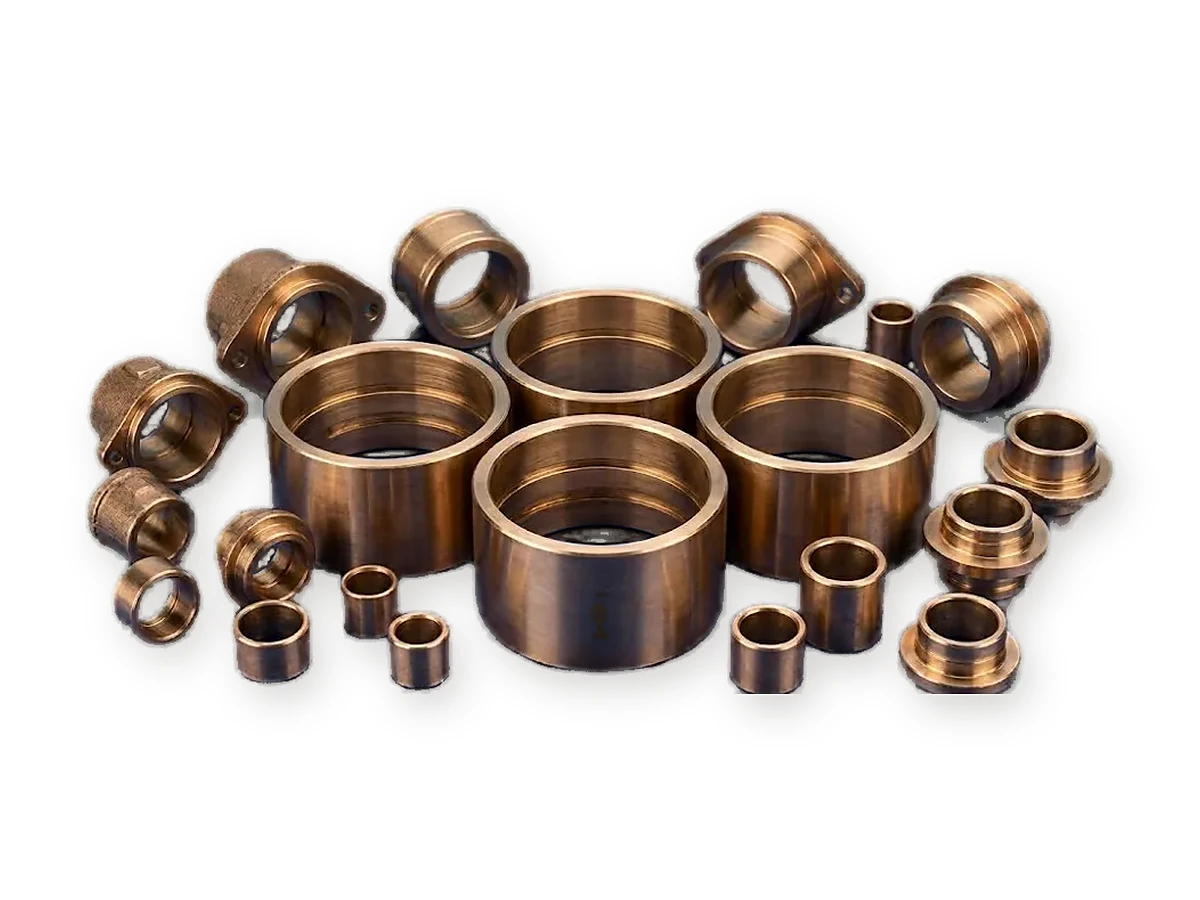
Wear rings (case rings and impeller rings) set the running clearance between impeller and casing and control internal leakage. They are designed to be replaced, so they are usually made from a material slightly softer than or galling-resistant against the mating part: bronze against stainless, or leaded bronze against bronze. Shaft sleeves protect the pump shaft where it passes through packing or a mechanical seal and are made from bronze, stainless or hard-faced materials. Line-shaft and vertical-turbine pumps use bronze bushes lubricated by the pumped water. Ordering spare wear rings and sleeves with each batch of castings keeps pumps efficient and avoids casing wear.
Pump and valve makers usually need regular production castings plus urgent spares for customers in the field. Keeping patterns ready at the foundry, agreeing an annual schedule with monthly releases and holding a small safety stock of fast-moving impellers, wear rings and valve bodies shortens response times. Clear part marking with alloy and heat number lets spares be traced back to their material test certificates.
Pressure-containing castings are only accepted after testing. Hydrostatic shell tests check that bodies and casings hold pressure without leaks; seat tests confirm valves close tightly; dye penetrant and, where specified, radiography reveal surface and internal defects; and impellers are balanced to the grade the pump maker requires. Conex casts copper-base alloys, aluminum and stainless steel in Jamnagar, Gujarat, by sand, shell, gravity die, low-pressure, pressure die, investment, centrifugal and continuous casting, machines parts in-house on CNC equipment, works under an ISO 9001:2015 quality system with inspection reports and material test certificates, and exports to more than 34 countries.
Every order can be supplied with a material test certificate to EN 10204 3.1 linking each heat to the parts delivered, a dimensional inspection report for first articles and production samples, and test reports for any pressure, hardness, conductivity or non-destructive tests specified on the order. Parts are marked and packed so that each lot can be traced back to its certificate.
Questions buyers ask
Gunmetal LG2 / C83600 for water and general service; higher-tin bronzes for higher pressure or steam; aluminum bronze for seawater.
Yes, when the drawing or order specifies it — include the test pressure in your enquiry.
Nickel aluminum bronze C95800 generally gives the best combination of strength, seawater corrosion and cavitation resistance; CF8M and duplex stainless are alternatives in some designs.
Yes. Bodies and casings can be hydrostatically tested to the pressures and durations on your drawing or in the applicable valve or pump standard.
Machined impellers can be dynamically balanced to the grade specified on the drawing.
Yes. Bodies, bonnets and trim can be machined, threaded and pressure tested ready for assembly.
Investment casting gives accurate vanes and smooth passages; shell and sand molding suit larger impellers and lower volumes.
Yes, in CF8, CF8M, CF3M and CA15 by investment and resin-sand casting, solution annealed or heat treated as required.
Yes. Witnessed hydrostatic tests and inspection with EN 10204 3.2 certification can be arranged.
Send your drawing, get a quotation.
DWG, PDF, STEP or a sample photo — with quantity and destination port.

Conex Export Desk
Talk to our export team
Working on a new casting? Tell us the part and we'll connect you with the right engineer today.