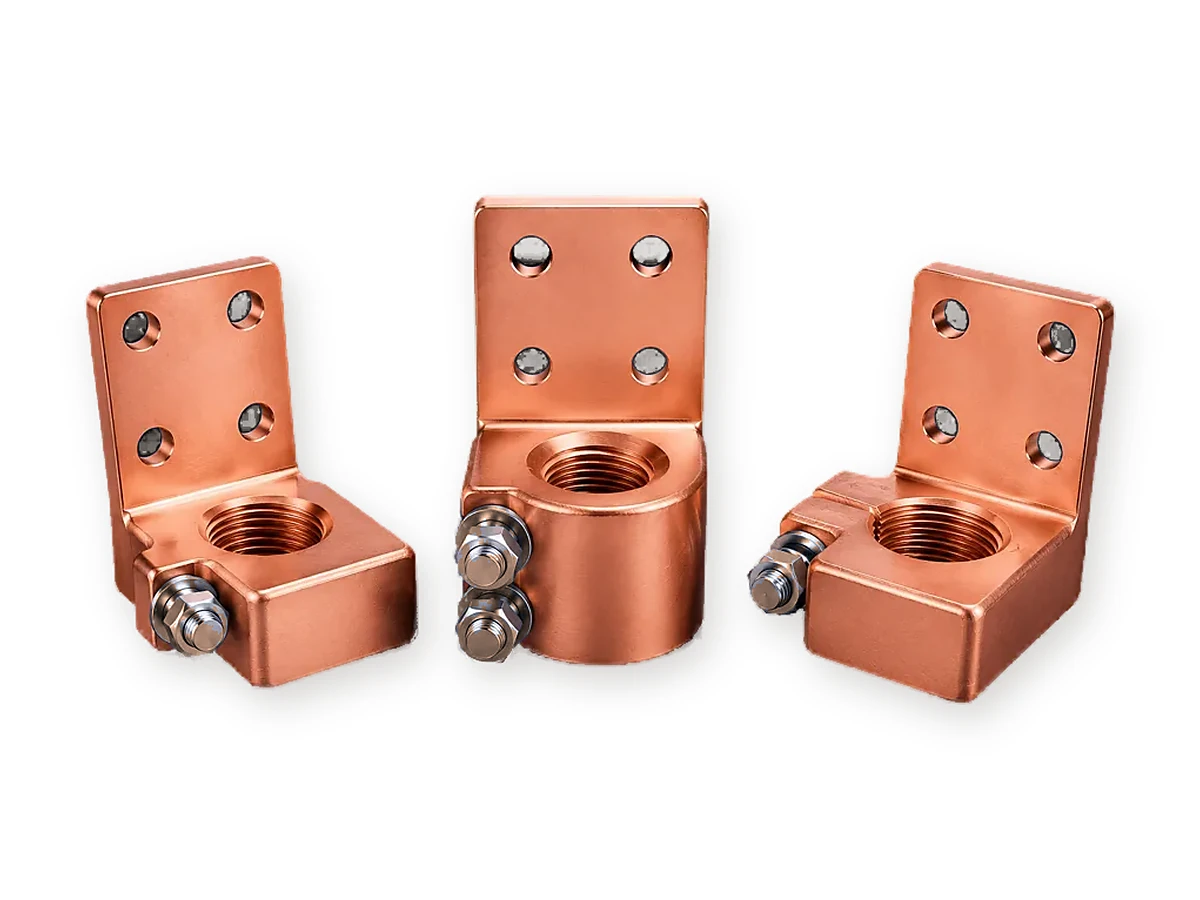
Transformer Bushing Stud Connectors
Copper and bronze stud connectors that join transformer bushing studs to cables and busbars, cast and threaded to your stud size.
Indicative price from
$9 /kg
Industry · Transport & Machinery
Bearings, bushes and electrical fittings for rolling stock and track equipment.
Products for railways
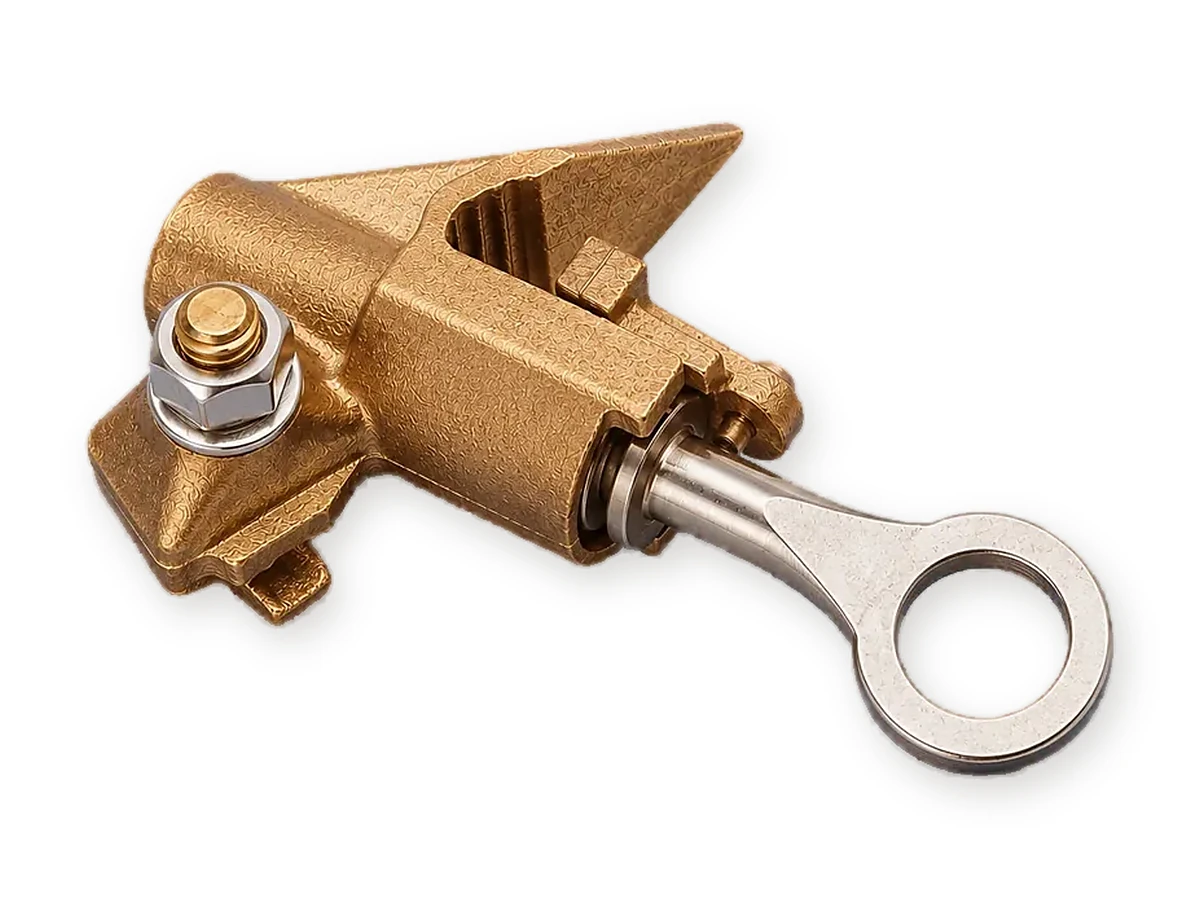
Overhead Line & PG Clamps
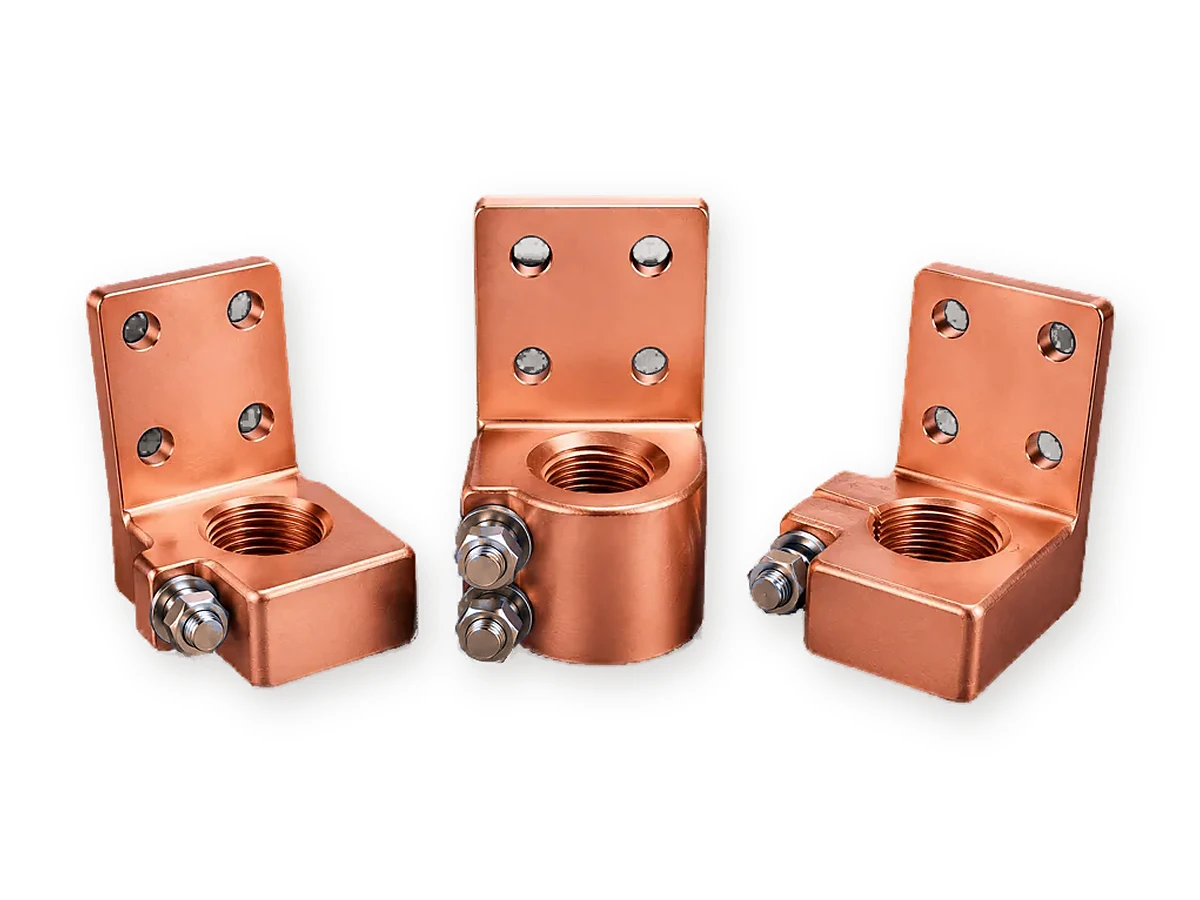
Switchgear & Contact Parts
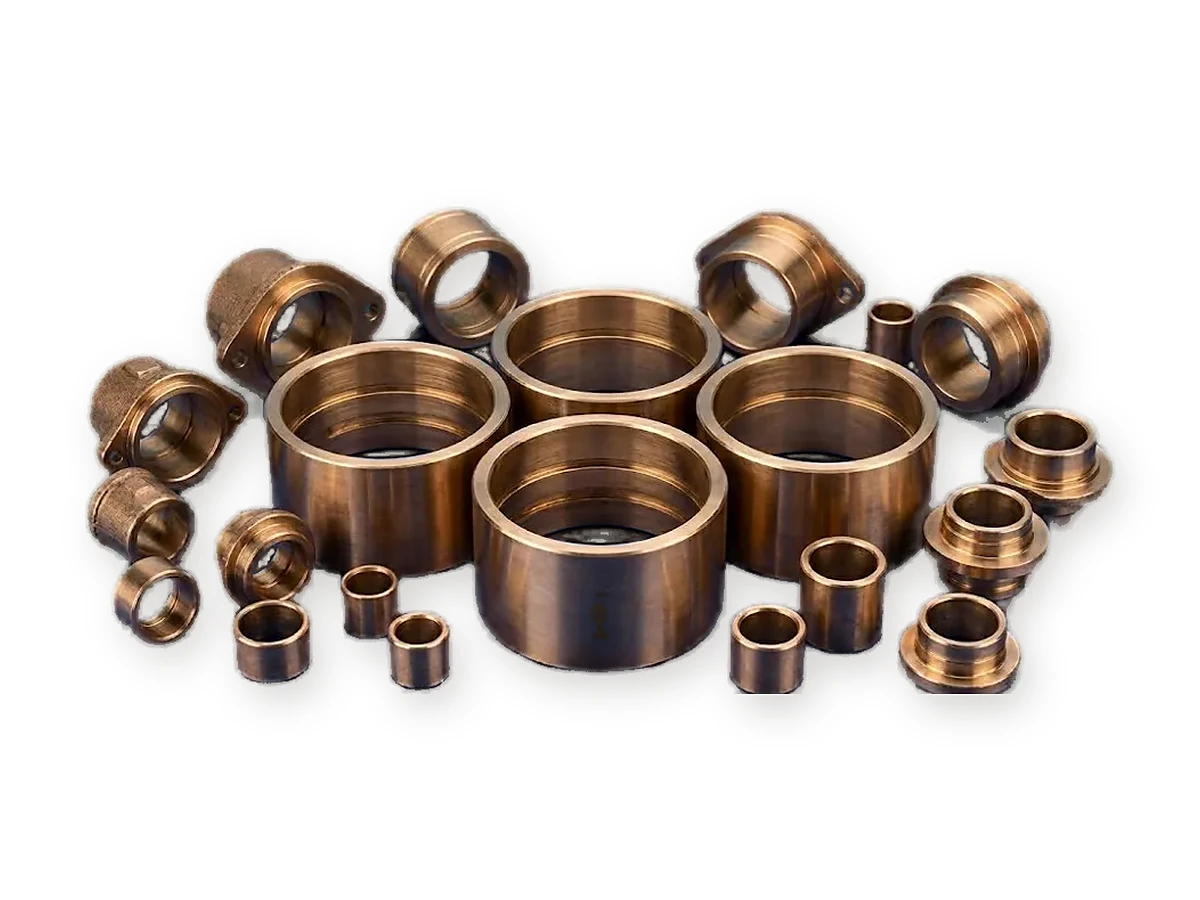
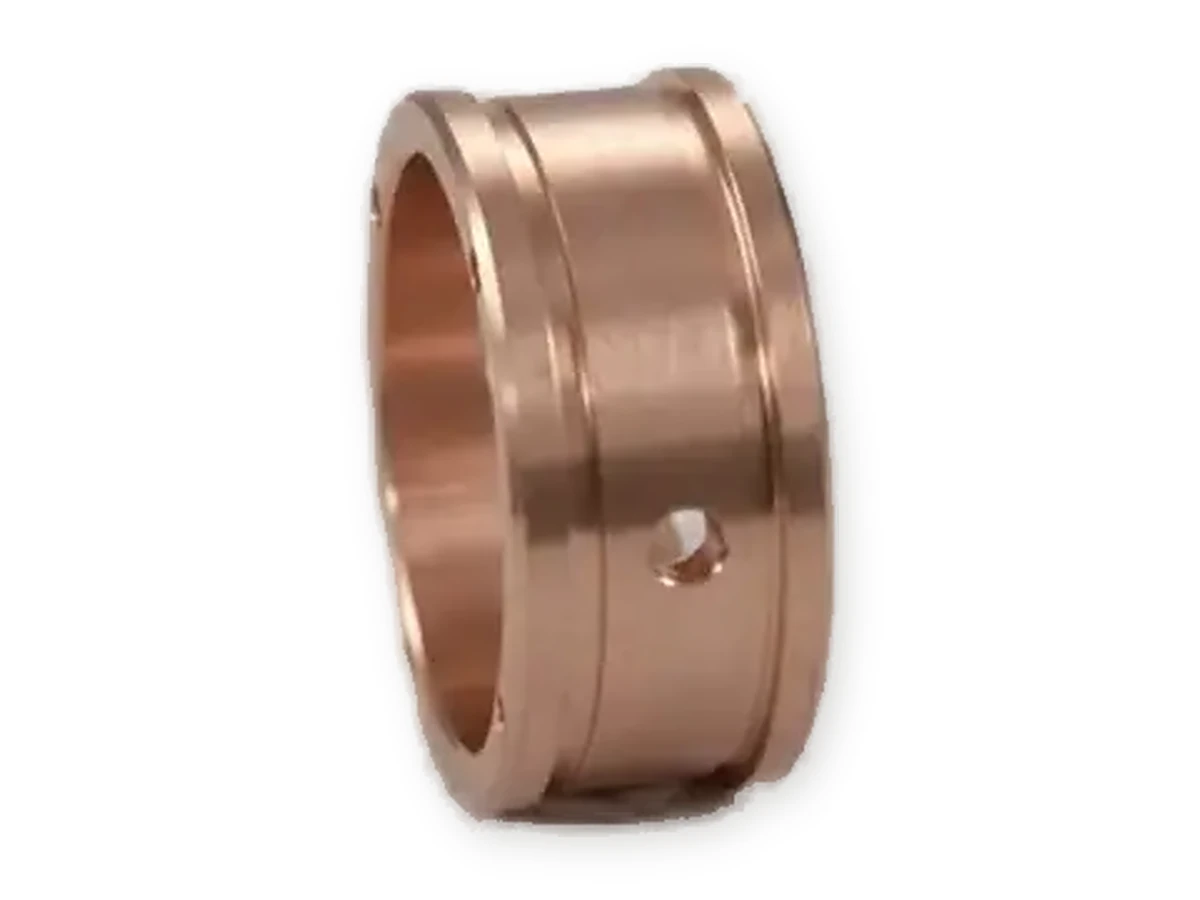
Bushes, Bearings & Wear Plates
Gears, Worm Wheels & Blanks
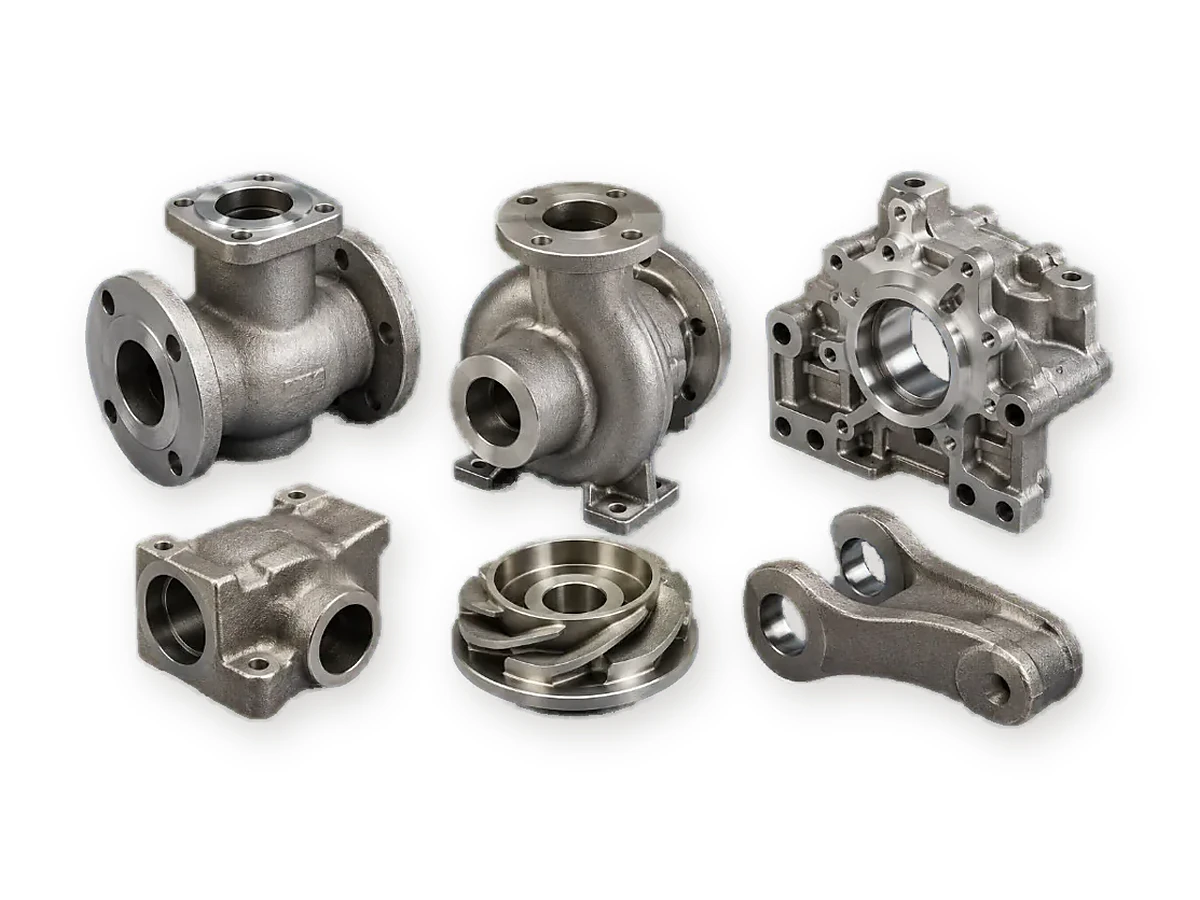
General Engineering Castings
Copper and bronze stud connectors that join transformer bushing studs to cables and busbars, cast and threaded to your stud size.
Indicative price from
$9 /kg
 Representative image
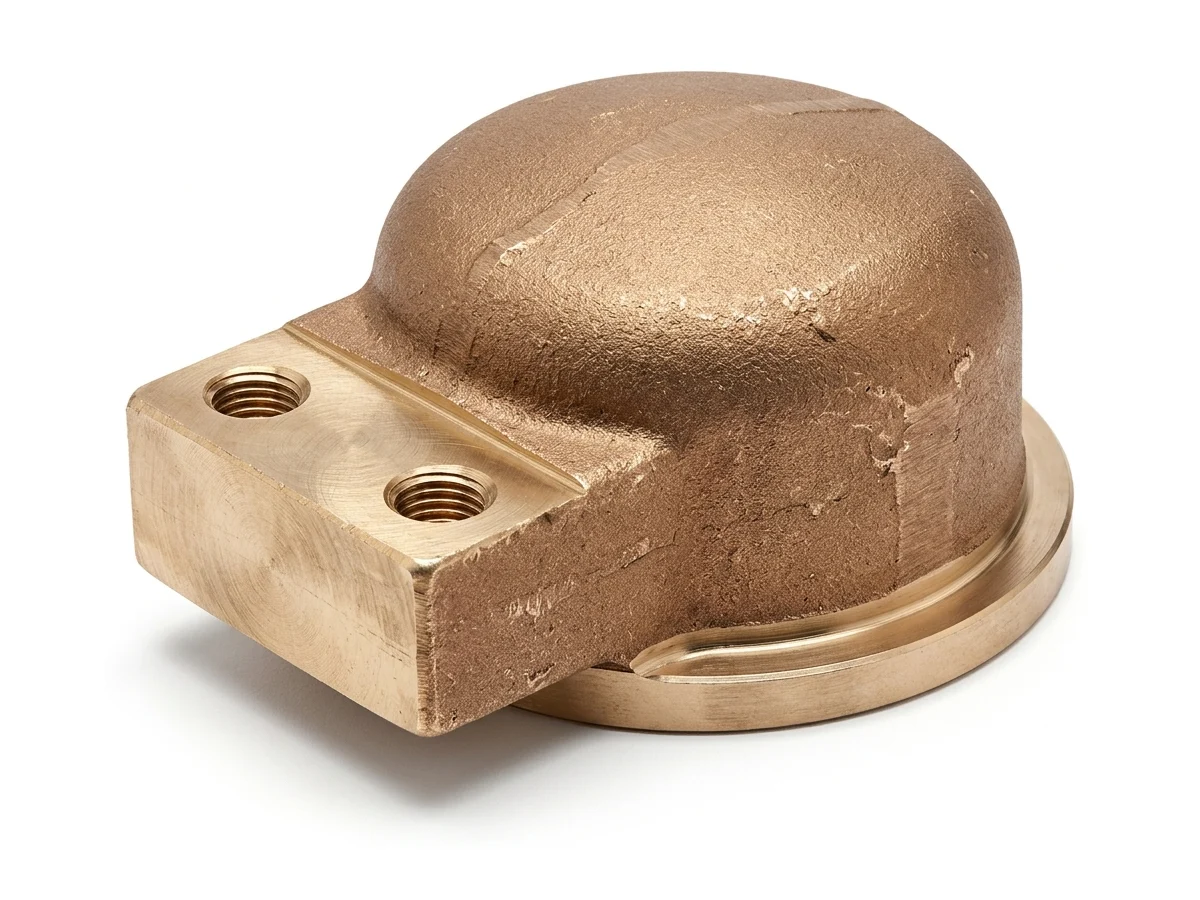
Cast bushing caps and threaded terminal pads in copper alloy and bronze for transformer bushings.
Indicative price from
$9 /kg
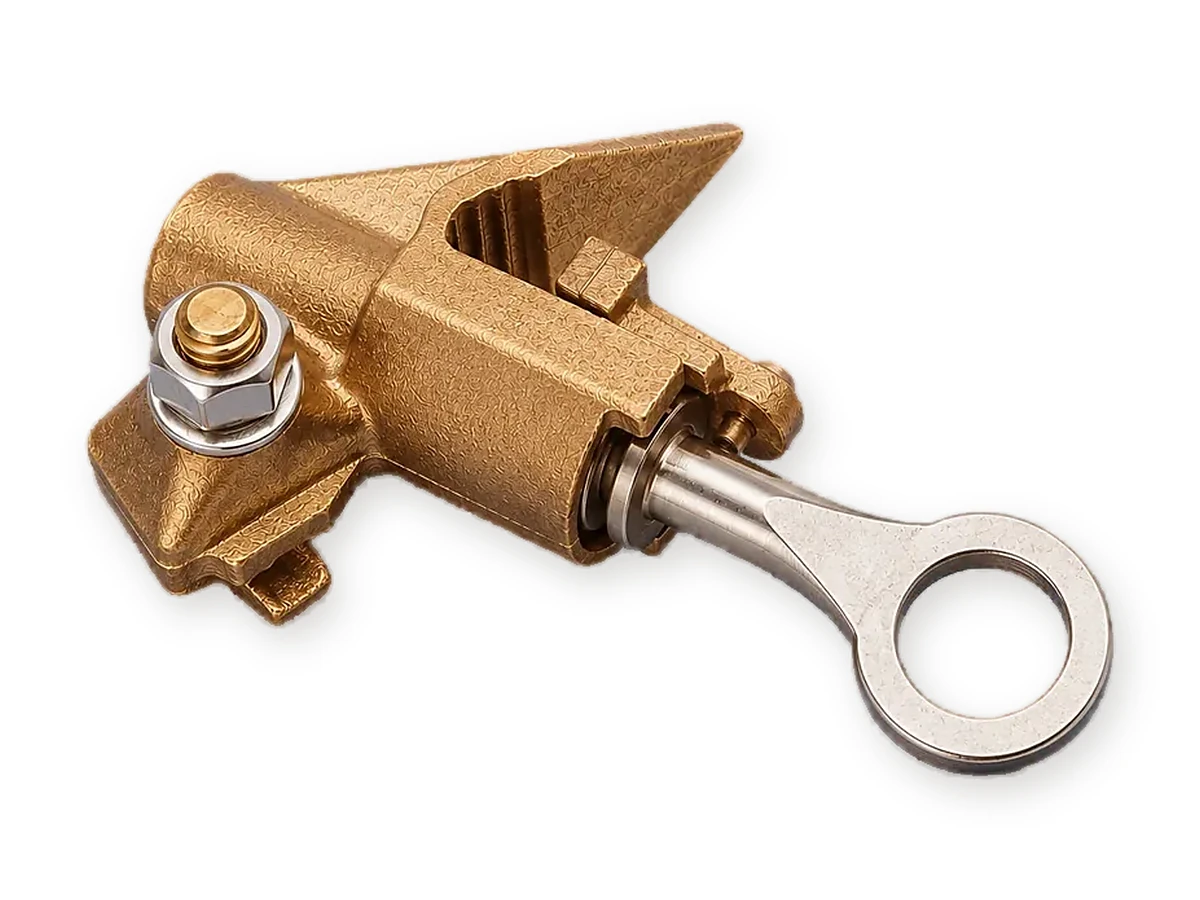
Bronze and aluminum hotline clamps for live-line tap connections on overhead distribution lines.
Indicative price from
$4 /kg
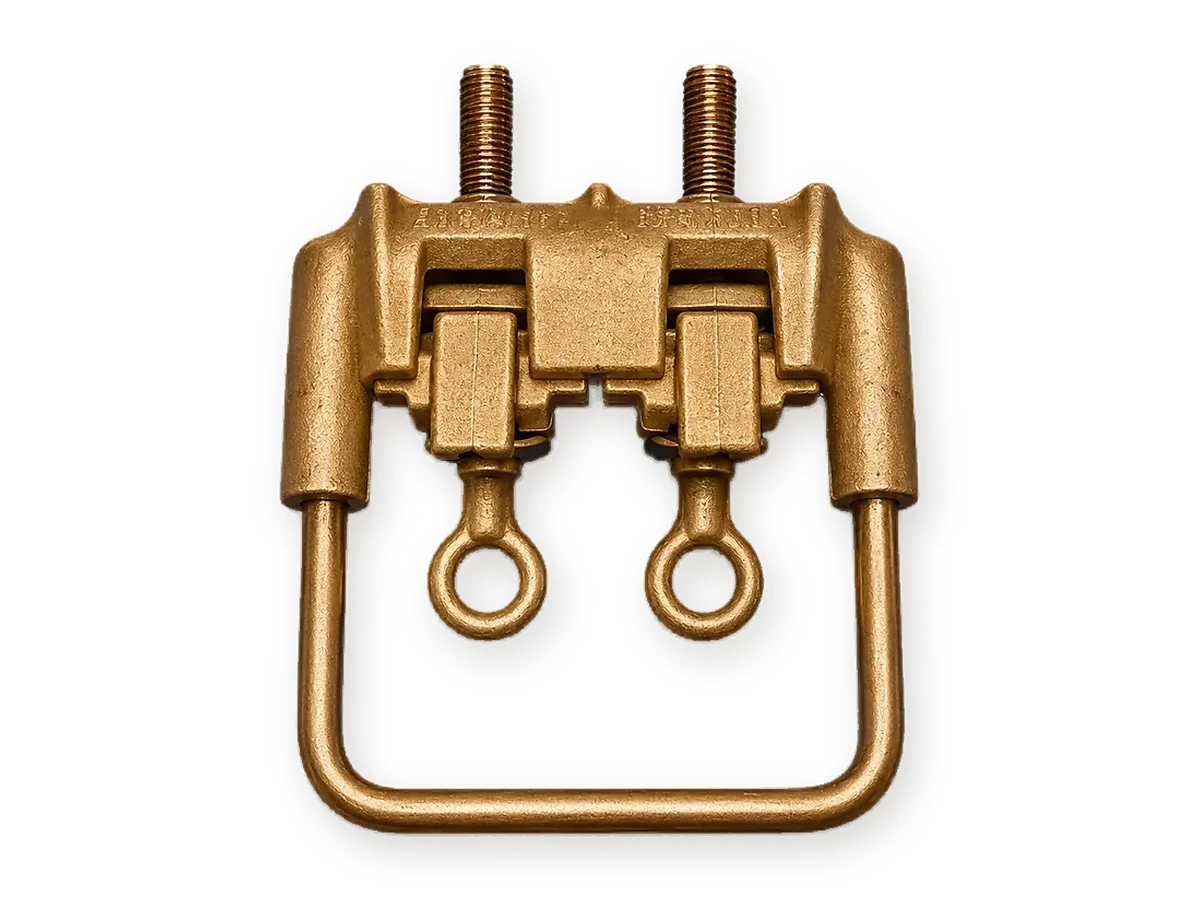
Bronze and aluminum stirrup clamps with bails that give a clean tap point for hotline clamps on overhead lines.
Indicative price from
$4 /kg
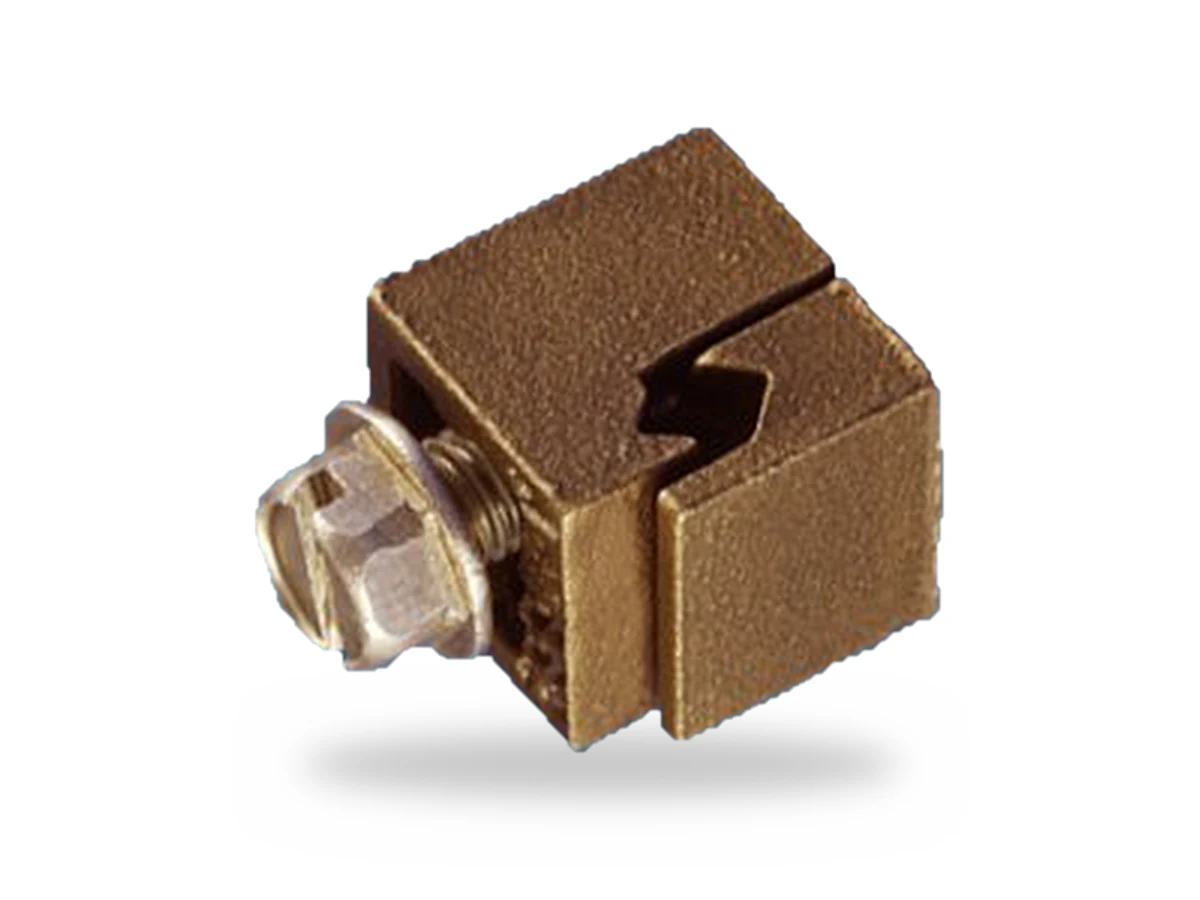
Bronze vise connectors for joining and tapping copper conductors on overhead lines and grounding systems.
Indicative price from
$4 /kg
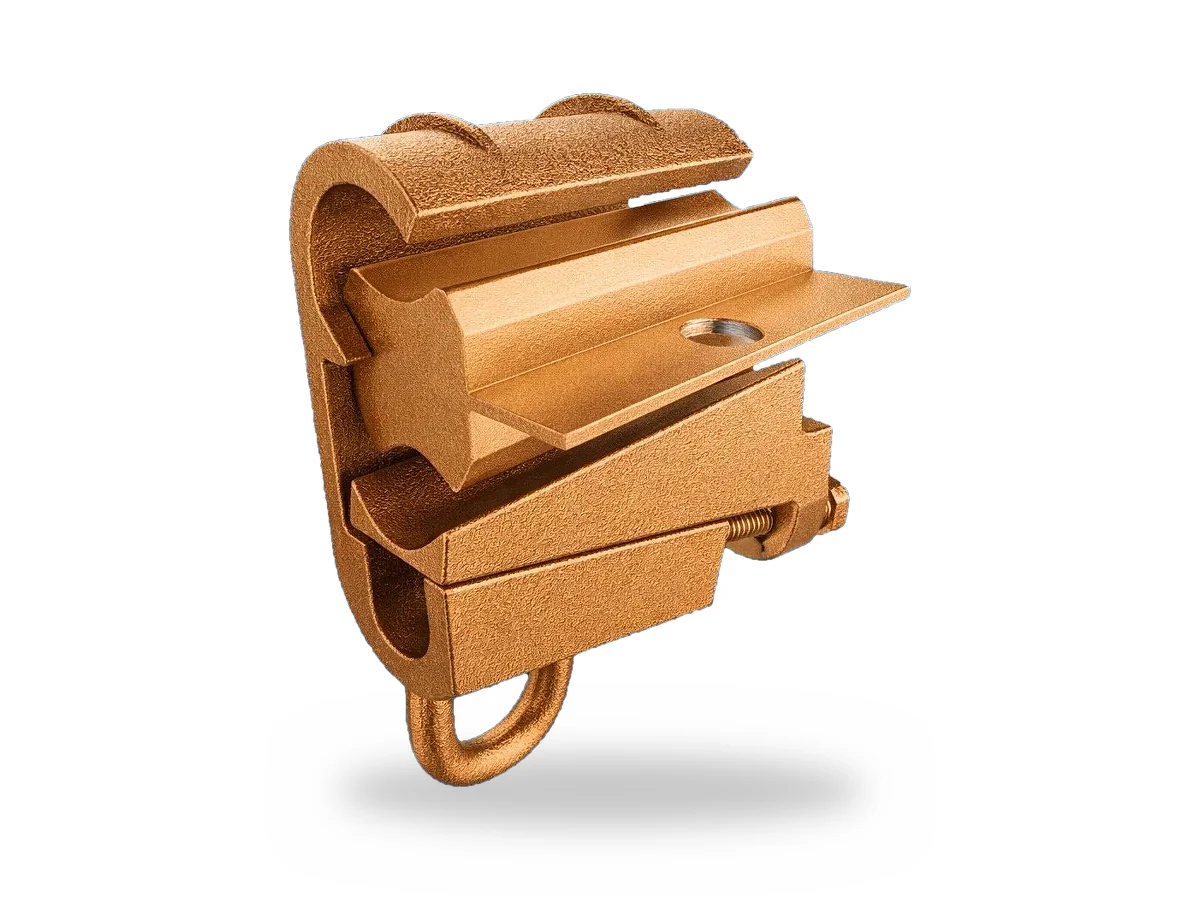
Cast wedge connector bodies and components for reliable taps on overhead distribution conductors.
Indicative price from
$4 /kg
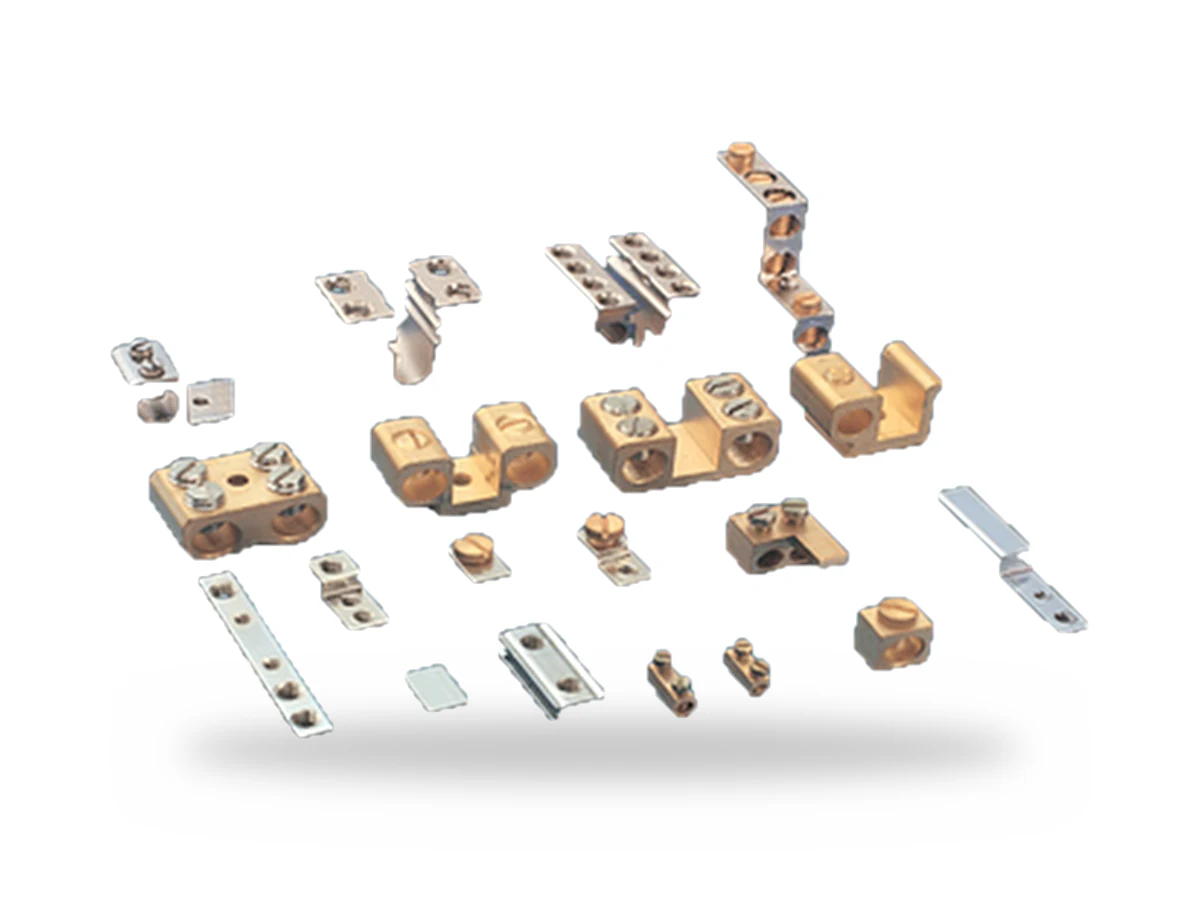
Cast terminal supports and qualified contact carriers in copper alloys for switchgear and electrical equipment.
Indicative price from
$9 /kg
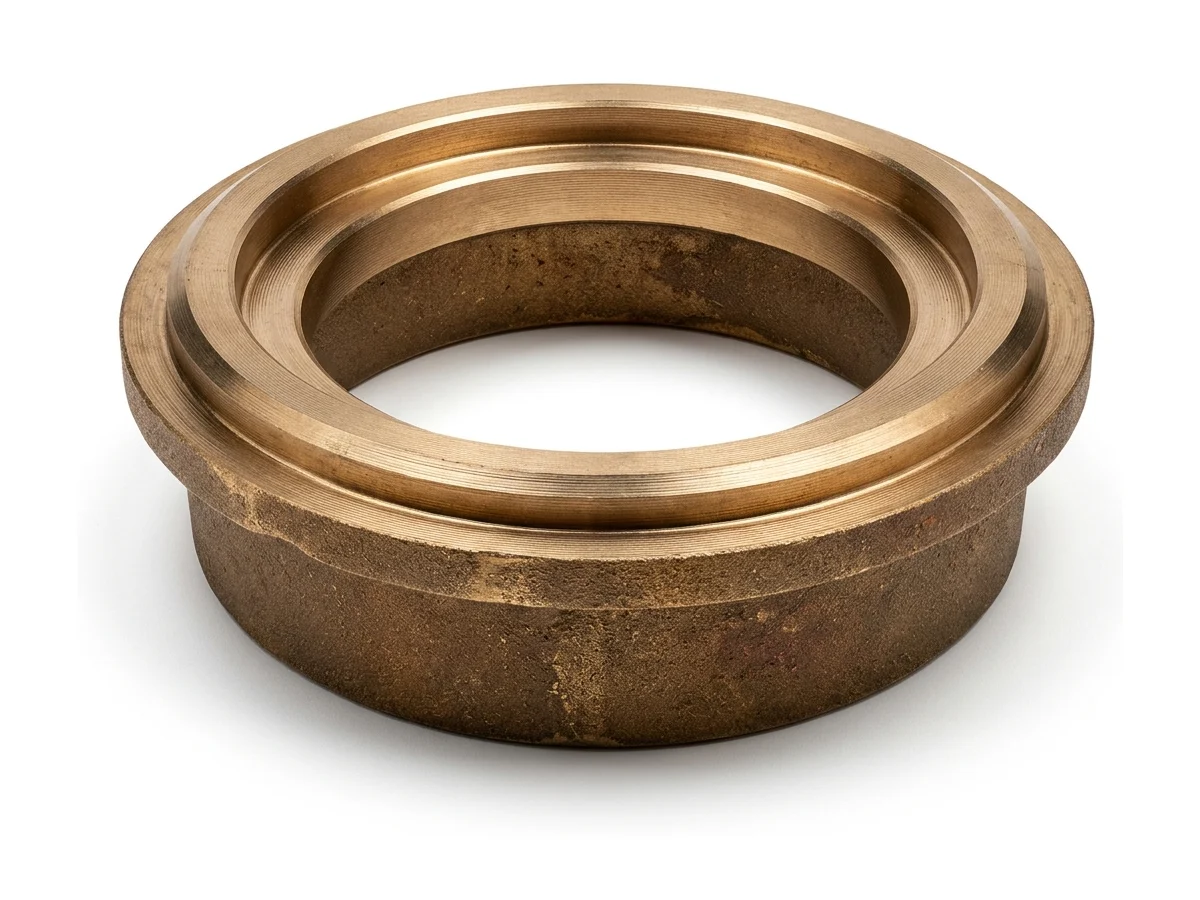 Representative image
Bronze and cast-alloy pump wear rings that keep impeller clearance tight and pump efficiency high.
Indicative price from
$13 /kg
Electrical castings for railways
Cast bonding-clamp bodies and traction connector bodies for railway electrical systems.
Railways rely on cast copper-alloy parts for overhead traction equipment, rail bonding, signalling earth connections and substations. These parts carry current, sit outdoors for decades and see constant vibration, so they need good conductivity, strength and corrosion resistance.
Conex casts bonding-clamp bodies and traction connector bodies in copper alloys, bronze and brass to the railway supplier's drawing, by sand, gravity die and investment casting, and machines bolt holes, threads and contact faces. Material and inspection documents are supplied for each lot so the customer can meet the railway's approval requirements.
Spectro analysis, dimensional inspection and visual checks, with material test certificates under an ISO 9001:2015 quality system.
Supplied from Jamnagar, Gujarat, to railway equipment suppliers in more than 34 countries.
Types
| Materials | Copper alloys, bronze, brass |
|---|---|
| Casting process | Sand, gravity die, investment casting |
| Types | Bonding-clamp bodies, traction connector bodies |
| Machining | Bolt holes, threads, contact faces |
| Documents | Material test certificate, inspection report |
| Minimum order | Batch and annual schedules |
Applications
Overhead traction equipment · Rail bonding · Signalling earthing · Traction substations · Metro and tram systems · Railway OEMs
Related products
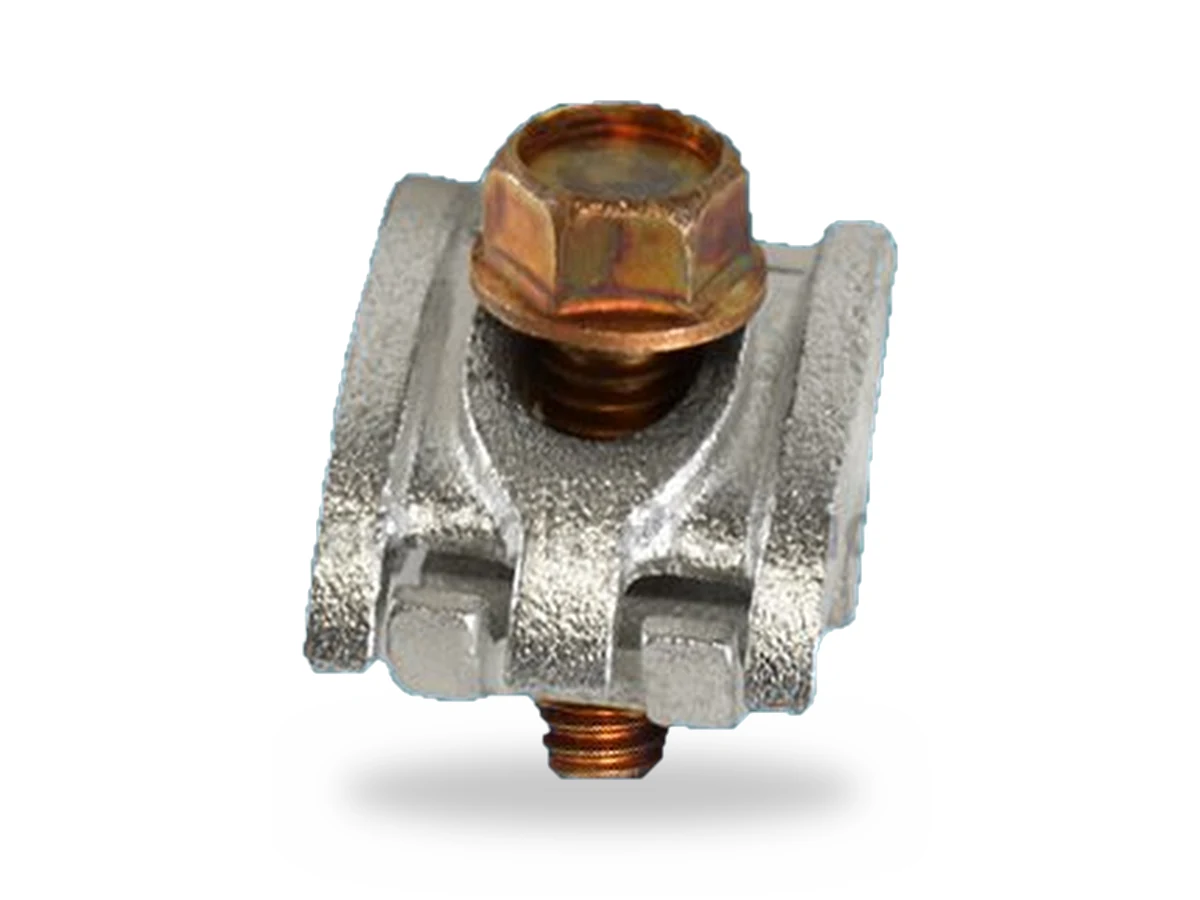
Cast bronze bonding clamps that connect pipes, tapes and conductors to the earthing system.
Indicative price from
$9 /kg
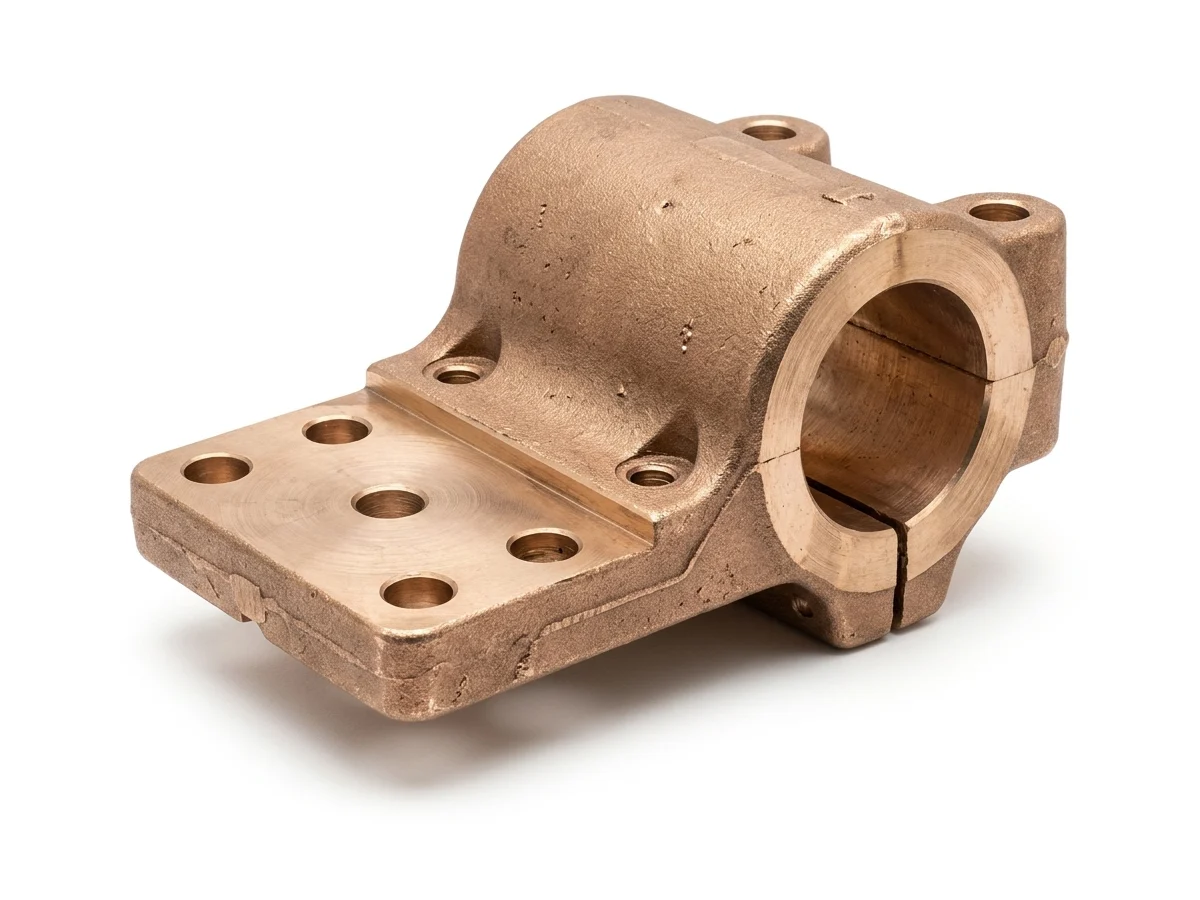 Representative image
Cast terminal pads and busbar connector bodies for substation equipment and bus systems.
Indicative price
$15 /kg
Bronze and aluminum parallel-groove (PG) clamps for joining and tapping overhead conductors.
Indicative price
$15 /kg
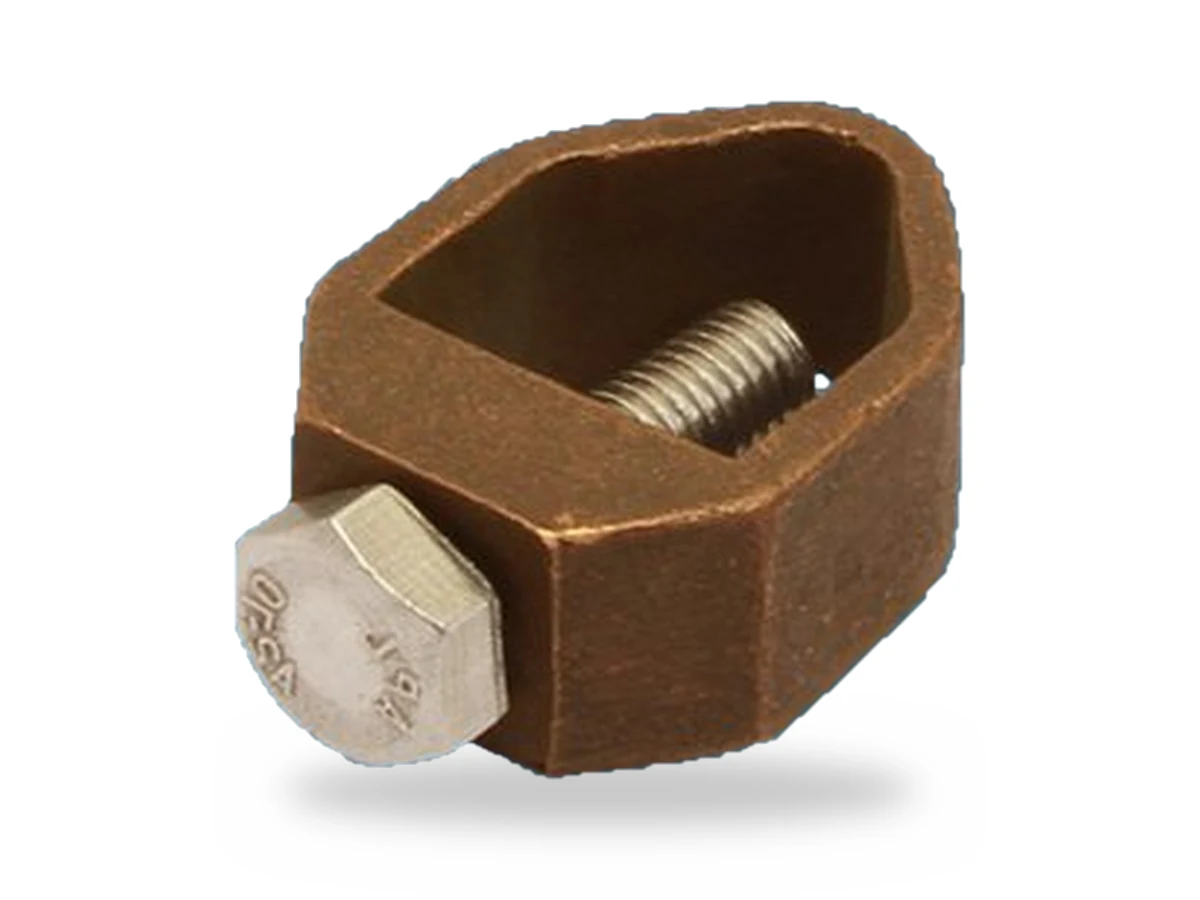
Cast bronze ground-rod clamps and acorn clamps that connect earthing conductors to ground rods.
Indicative price from
$9 /kg
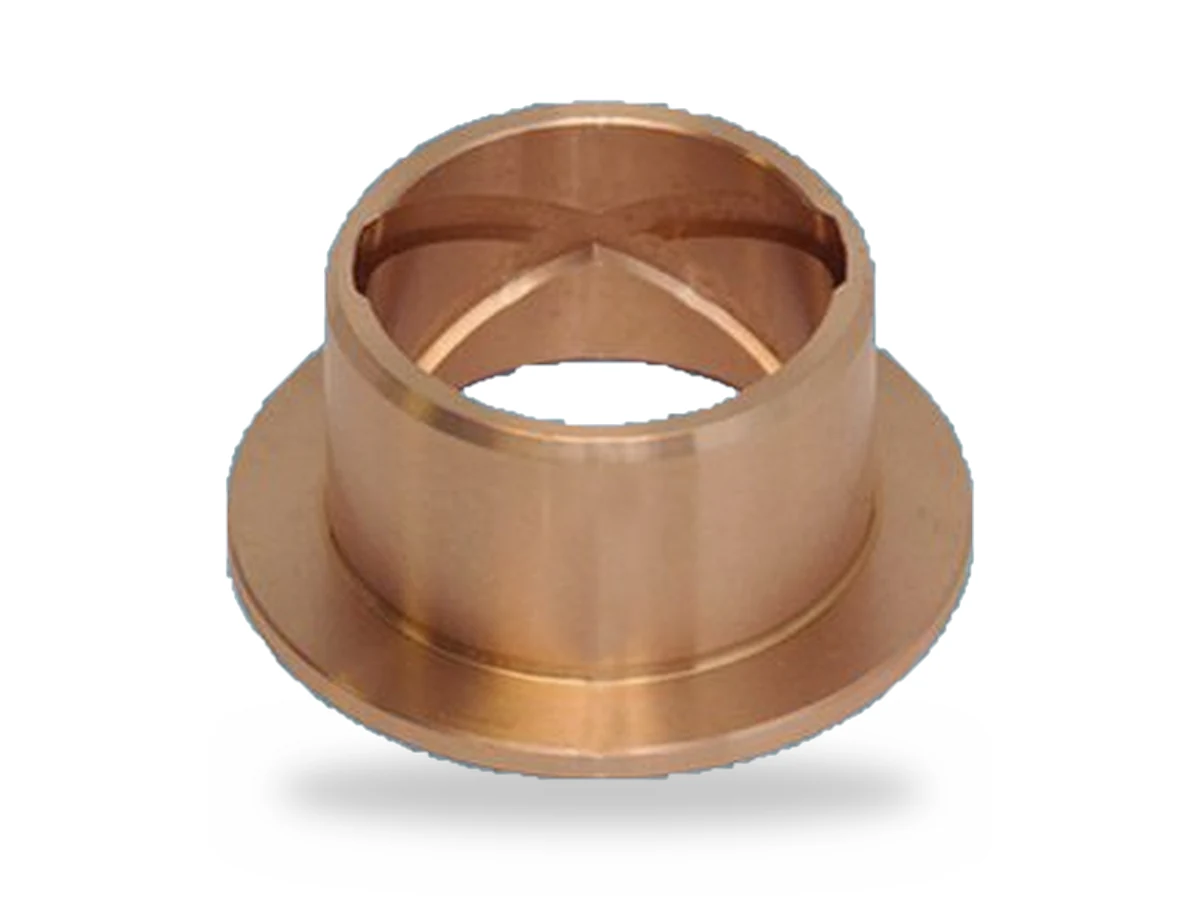
Cast and machined bronze bushings and bearings: plain, flanged and grooved bushes, finished bearing bushes and split shells.
Indicative price from
$11 /kg
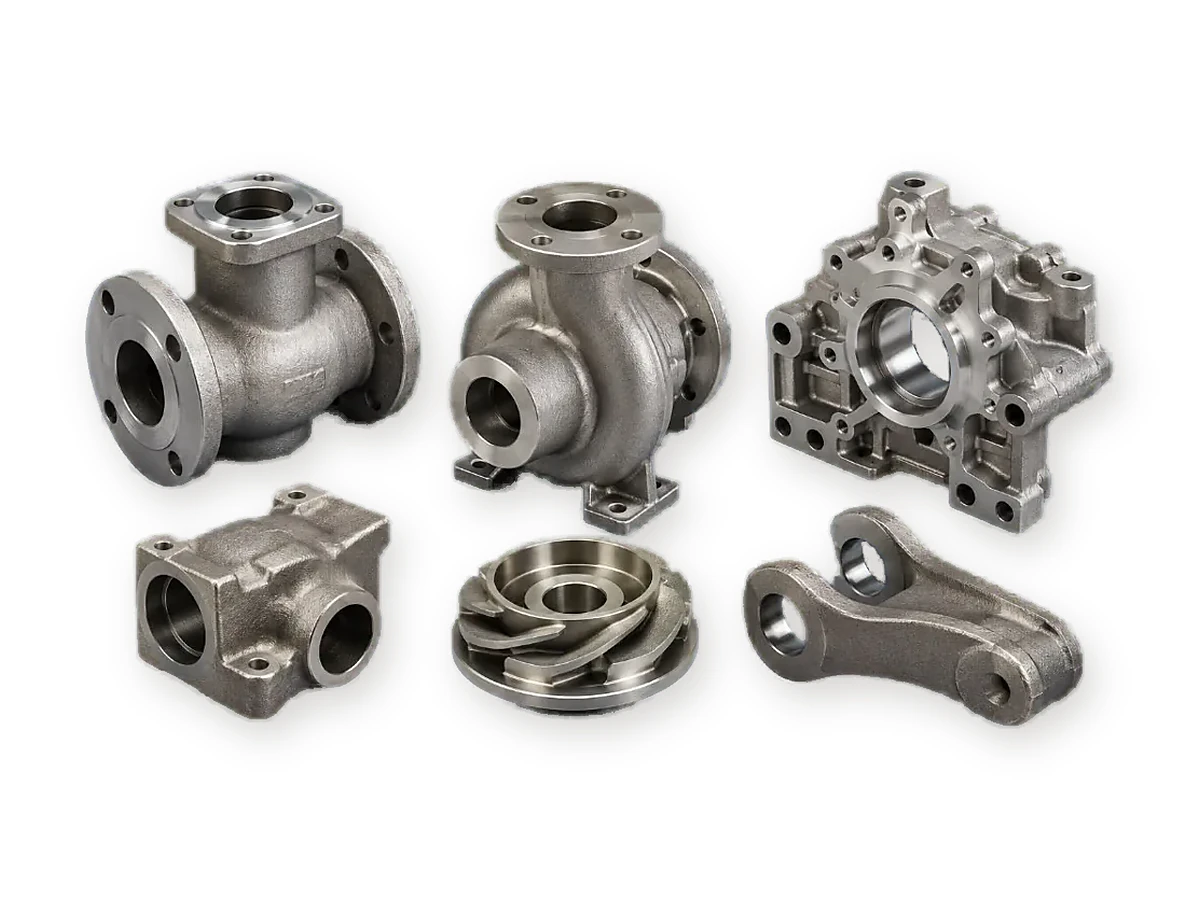
Brass, bronze, copper and stainless castings made to your drawing, delivered as cast or CNC machined and ready to assemble.
Indicative price from
$4 /kg
Alloy × process pages for this industry.
Castings for railways
Railways use non-ferrous castings in two main areas: the electrification system — overhead contact-line (catenary) fittings such as contact-wire clamps, dropper clips, splices, cantilever and registration fittings, feeder clamps and earthing connectors — and rolling stock and signaling equipment, including bronze bushings and wear parts, brake and pneumatic valve bodies, traction-motor and current-collection parts, earthing brushes and electrical connectors. These parts are cast in copper alloys such as aluminum bronze, silicon bronze, gunmetal and brass, in copper for current paths, and in aluminum and stainless steel, and they must survive vibration, fatigue, weather and high currents for decades with minimal maintenance.
This guide explains the railway castings a non-ferrous foundry supplies, the alloys used and why, the standards and approval routes that apply, the inspection and documentation railway buyers expect, design tips and how to order. Conex Casting Foundry in Jamnagar casts and machines electrical and engineering castings, including railway electrical castings, and exports to more than 34 countries.
An electrified railway supplies power to trains through a contact wire suspended from a catenary wire by droppers, held in position by cantilevers and registration arms, and fed from substations through feeder wires. The many fittings that hold, join and connect these conductors are often cast copper alloys because they must carry current, grip copper or copper-alloy wires without damaging them, and resist fatigue from passing pantographs and wind.
| Fitting | Function | Typical alloys |
|---|---|---|
| Contact-wire clamps and splices | Grip and join grooved contact wire | Aluminum bronze, silicon bronze, copper alloys |
| Dropper clips (contact and catenary) | Attach droppers to contact and catenary wires | Copper alloys, bronze |
| Catenary-wire clamps and suspension fittings | Support the catenary wire | Bronze, aluminum bronze, aluminum |
| Registration and steady-arm fittings | Position the contact wire laterally | Aluminum alloy, bronze |
| Feeder and jumper clamps, connectors | Carry current between wires and feeders | Copper, bronze, tin-plated copper alloys |
| Earthing and bonding clamps | Bond masts and structures; rail bonds | Bronze, copper, silicon bronze |
| Cantilever and bracket fittings | Structural support | Aluminum alloy, galvanized steel, stainless, bronze |
| Part | Function | Typical alloys |
|---|---|---|
| Bushings and wear plates (suspension, linkages, couplers, doors) | Pivot and sliding surfaces | C93200, C95400, C86300, CC493K |
| Traction-motor bushings and parts | Bearings, brush gear, terminals | Bearing bronze, brass, copper |
| Pantograph and current-collection parts | Collector-head fittings, shunts, terminals | Copper alloys, aluminum, stainless |
| Axle earthing (return-current) brush holders | Return traction current through axles | Copper, bronze, brass |
| Brake and pneumatic valve bodies | Air brake system control | Brass, gunmetal, aluminum |
| Signaling and point-machine parts | Bushings, terminals, housings | Bronze, brass, aluminum |
| Electrical connectors and terminals | Power and control circuits | Copper, brass, tin-plated alloys |
Every passing pantograph lifts and releases the contact wire; wind and temperature changes move the whole catenary; and traction current, sometimes thousands of amperes on DC systems, flows through clamps and connectors. OHE fittings therefore combine three demands: fatigue strength, reliable clamping that does not slip or loosen, and low electrical resistance at joints. Smooth, radiused grooves that match the conductor profile avoid stress concentrations and wire damage; sound metal free of porosity in the jaws and eyes prevents fatigue cracks; and correct bolt torque and locking prevent loosening. For rolling stock, bushings and wear parts see shock loads and contamination from dust and water, which favors robust bronzes and good sealing.
Railway administrations typically approve both the design and the manufacturer for OHE fittings through type tests, prototype inspection and factory assessment. Component suppliers must then maintain the approved process and documentation.
| Check | Purpose |
|---|---|
| Chemical analysis per melt | Approved alloy composition |
| Mechanical tests on test bars | Tensile, proof and elongation per material specification |
| Proof-load and slip tests (sample basis) | Clamp strength and grip on conductors |
| Radiography or dye-penetrant (as specified) | Soundness of highly stressed sections |
| Dimensional and gauge checks | Groove profiles matching contact-wire and catenary sections; bolt holes and threads |
| Electrical resistance (as specified) | Current-carrying fittings |
| Marking and traceability | Manufacturer, part number and batch identification on each fitting |
Material test certificates to EN 10204 3.1, test reports and dimensional reports are supplied under an ISO 9001:2015 quality system; railway or third-party inspection before dispatch can be arranged.
Requirements vary across railway types. Metros and light rail often use DC traction with high currents and lower voltages, putting emphasis on low-resistance current fittings and return-current earthing. High-speed lines need lightweight, precisely aligned fittings and high contact-wire tensions, increasing fatigue demands on clamps and splices. Heavy-haul and freight lines stress rolling-stock bushings, couplers and brake components. Tram networks share many requirements with metros but also work in streets, where appearance and corrosion from de-icing salts matter. Discussing the system type and operating conditions helps the foundry propose suitable alloys and tests.
Railways hold stocks of OHE fittings and rolling-stock spares for planned maintenance and emergency repair after incidents. Long-term supply agreements, consistent part numbering and marking, and patterns maintained over many years ensure that replacement fittings match those already installed.
Conex casts aluminum bronze, silicon bronze, gunmetal, bearing bronze, copper, brass, aluminum and stainless steel at its foundry in Jamnagar, Gujarat, using sand, shell, gravity die, low-pressure, pressure die, investment, centrifugal and continuous casting, and machines parts in-house on CNC equipment. Railway electrical castings, clamps, connectors and bronze bushings are among its product lines. Inspection and material test certificates are supplied under an ISO 9001:2015 quality system, and the company exports to more than 34 countries from its Nariman Point, Mumbai head office.
Electrified railways use copper and bronze fittings throughout the overhead catenary: contact wire clamps, dropper clips, splices, feeder clamps, section insulator parts and earthing clamps. These parts carry traction current, hold the wire under tension and must survive vibration from passing pantographs, temperature cycles and outdoor corrosion. Copper alloys such as aluminum bronze, silicon bronze and high-strength copper alloys are common, often to the railway's own drawings and specifications.
Locomotives, coaches and wagons use bronze bushes in suspension, brake rigging and couplers; bronze thrust washers and bearings in traction motors and gearboxes; brass and bronze valves and fittings in brake, air and water systems; and copper and brass terminals in electrical equipment. Earthing brushes and return-current devices on axles use copper-graphite and copper alloy components.
Signaling and point machines use bronze bushes, worm wheels and gears; track circuits and bonding use copper bonds and bronze clamps; and station infrastructure uses bronze and stainless hardware.
Railway parts experience constant vibration and shock, so fatigue resistance matters as much as static strength. Sound castings without porosity or inclusions, generous radii at section changes, and correct heat treatment where applicable all improve fatigue life. Many railway components are safety related, so railways require full traceability, documented inspection and often approval of the supplier and of first articles before regular supply.
Railway organizations and their contractors typically buy against detailed specifications and drawings, with defined material grades, test requirements and marking. Typical documents include material test certificates to EN 10204 3.1, dimensional reports, NDT reports where specified, and conformity certificates. Packing must protect machined and threaded surfaces during long transport. Repeat orders benefit from retained patterns and consistent process records.
Railway parts are bought to strict drawings and inspected closely, often by the railway itself. Conex casts copper-base alloys, aluminum and stainless steel in Jamnagar, Gujarat, by sand, shell, gravity die, low-pressure, pressure die, investment, centrifugal and continuous casting, machines parts in-house on CNC equipment, works under an ISO 9001:2015 quality system with inspection reports and material test certificates, and exports to more than 34 countries. Catenary fittings, bushes, brake and air-system valves and electrical parts can be supplied with full traceability, first-article reports and the documents railway inspectors ask for.
Every order can be supplied with a material test certificate to EN 10204 3.1 linking each heat to the parts delivered, a dimensional inspection report for first articles and production samples, and test reports for any pressure, hardness, conductivity or non-destructive tests specified on the order. Parts are marked and packed so that each lot can be traced back to its certificate.
Questions buyers ask
Leaded tin bronzes such as SAE 660 (C93200) and C93800, and phosphor bronze for heavier loads.
Yes — centrifugally cast and machined to finished size.
Aluminum bronze and silicon bronze are common because they combine strength, fatigue resistance and corrosion resistance with adequate conductivity; designs follow the railway's specification.
Yes, to the approved drawings and specification. Design and manufacturer approval are handled through the railway's process.
Yes, from continuous or centrifugal-cast bronze, machined to drawing.
Mechanical tests can be carried out on samples as specified, or witnessed by the railway or third-party inspectors.
Yes. Manufacturer, part and batch marks can be cast in or stamped as required.
Bronze, silicon bronze and copper, sized for the fault current and corrosion conditions.
Yes, in heat-treatable aluminum casting alloys by gravity die or sand casting, machined to drawing.
Drawings, the railway specification, conductor details, approval requirements, tests, quantities and delivery schedule.
Yes, to the supplier's approved drawing.
Copper alloys, bronze and brass.
Yes, material and inspection documents per lot.
Yes.
Yes.
Send your drawing, get a quotation.
DWG, PDF, STEP or a sample photo — with quantity and destination port.

Conex Export Desk
Talk to our export team
Working on a new casting? Tell us the part and we'll connect you with the right engineer today.