Transformer Bushing Stud Connectors
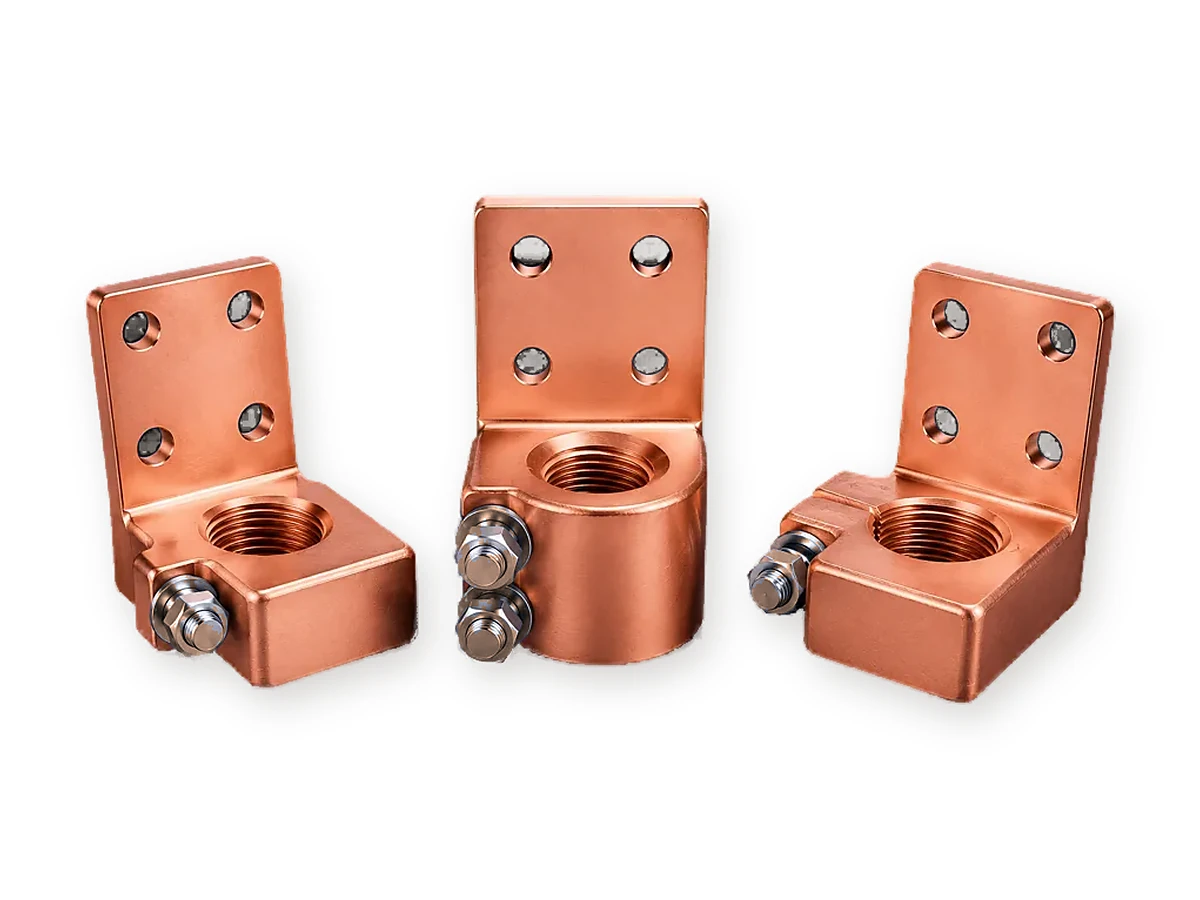
Copper and bronze stud connectors that join transformer bushing studs to cables and busbars, cast and threaded to your stud size.
Indicative price from
$9 /kg
Industry · Industrial & Manufacturing
Worm wheels, gear blanks, bushes and bearing parts for conveyors, hoists and automated systems.
Products for material handling & automation
Copper and bronze stud connectors that join transformer bushing studs to cables and busbars, cast and threaded to your stud size.
Indicative price from
$9 /kg
 Representative image
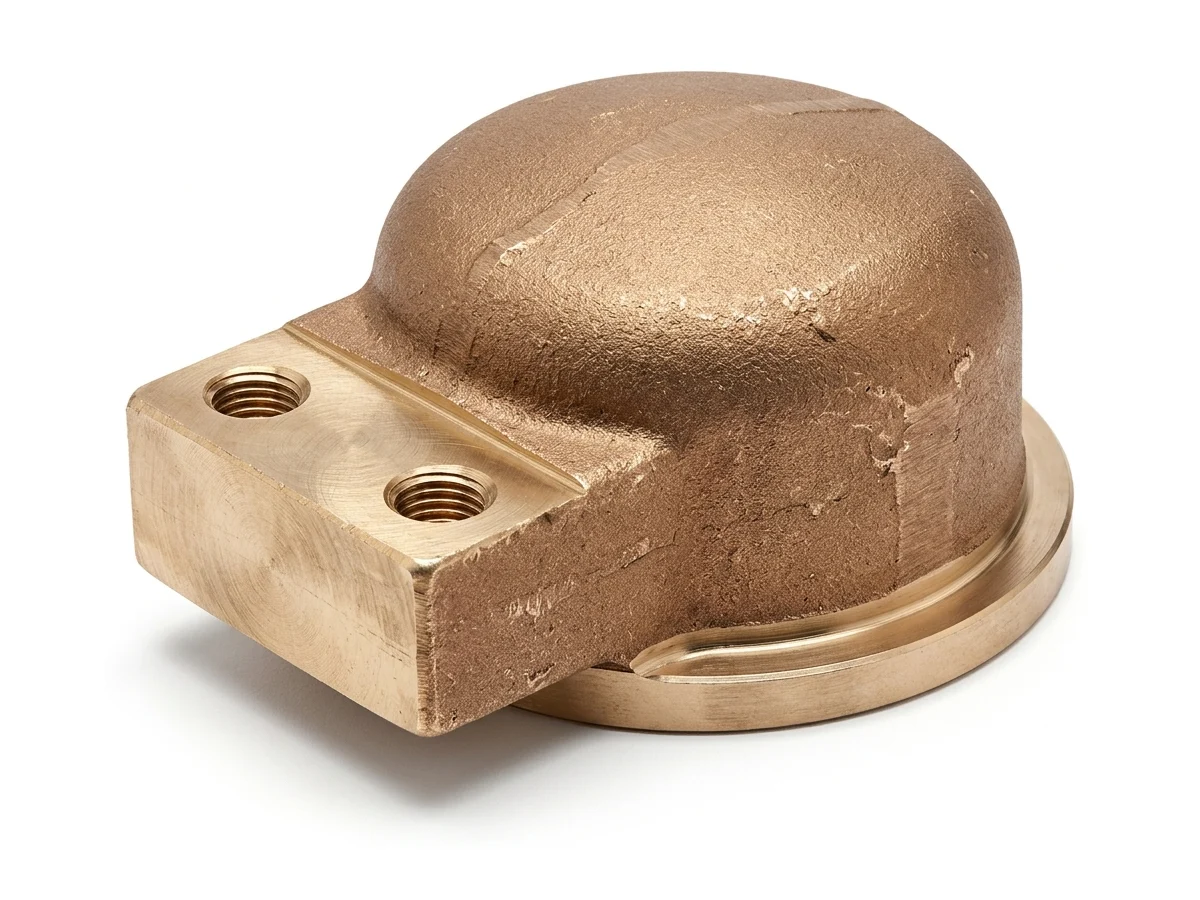
Cast bushing caps and threaded terminal pads in copper alloy and bronze for transformer bushings.
Indicative price from
$9 /kg
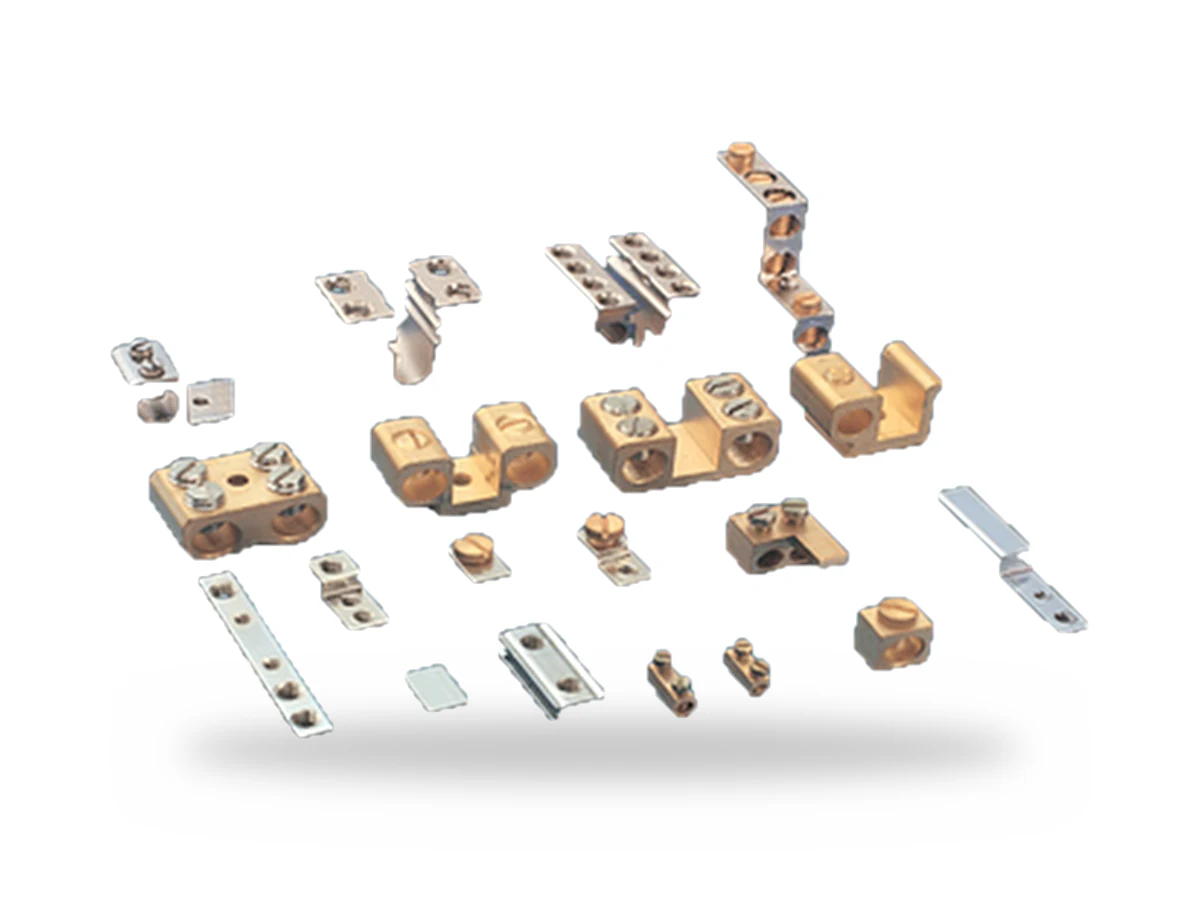
Cast terminal supports and qualified contact carriers in copper alloys for switchgear and electrical equipment.
Indicative price from
$9 /kg
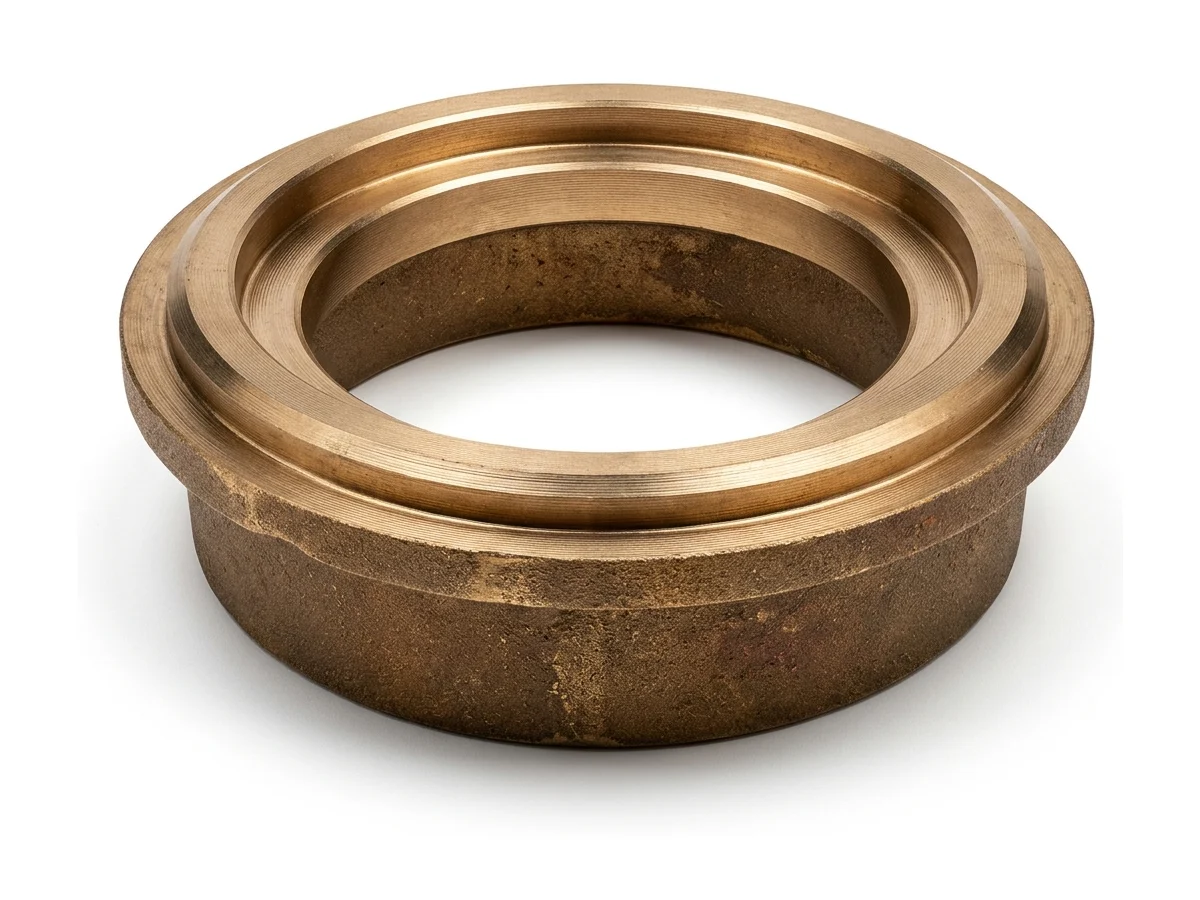 Representative image
Bronze and cast-alloy pump wear rings that keep impeller clearance tight and pump efficiency high.
Indicative price from
$13 /kg
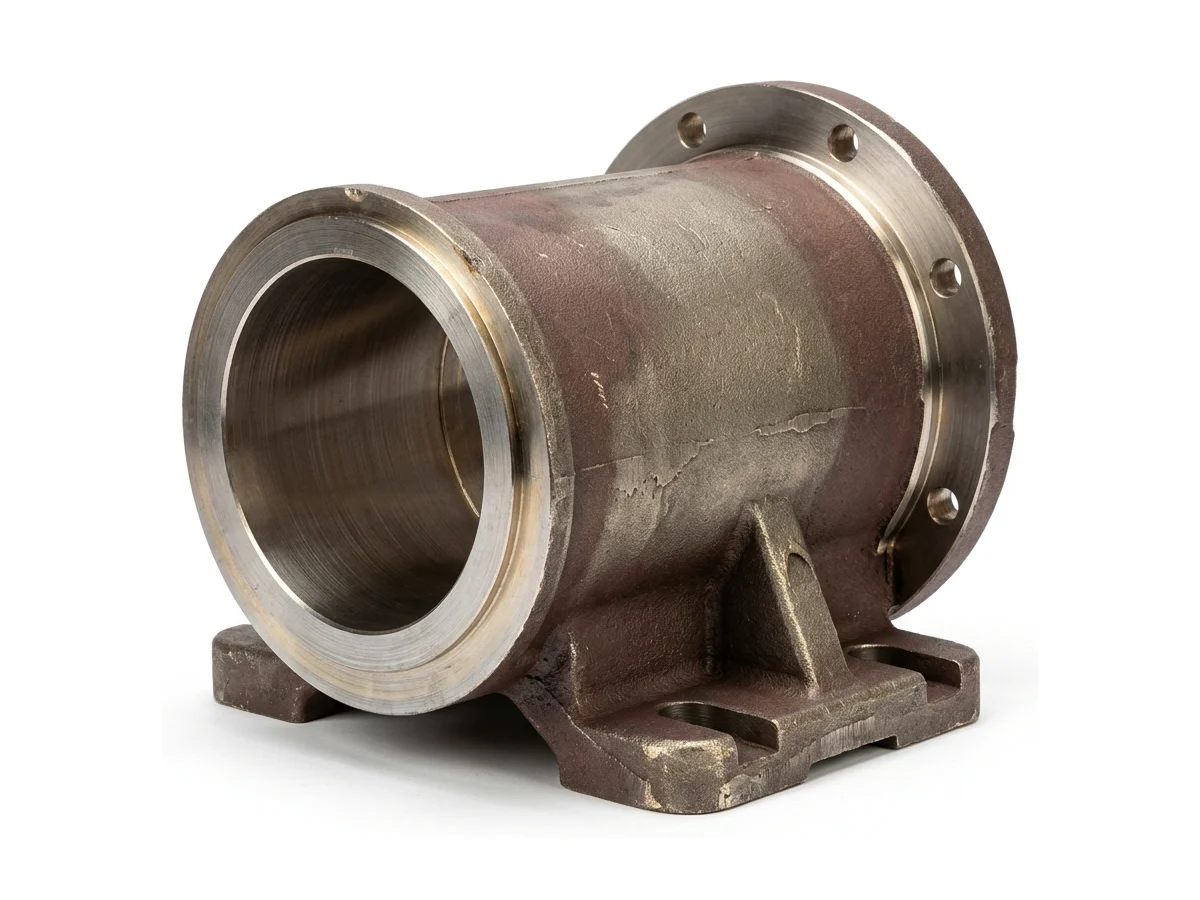 Representative image
Cast bronze stern-tube and shaft-support bearing housings for propeller shafts.
Indicative price from
$11 /kg
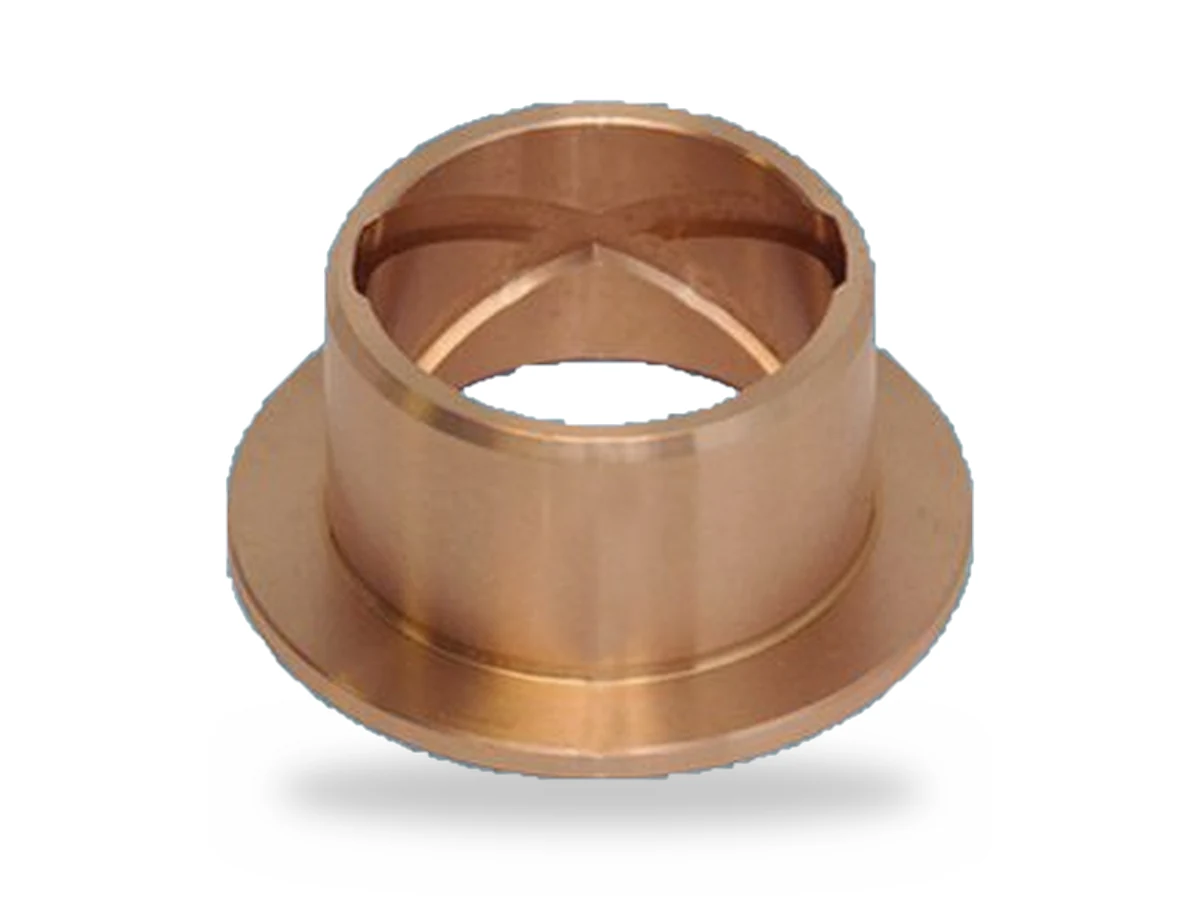
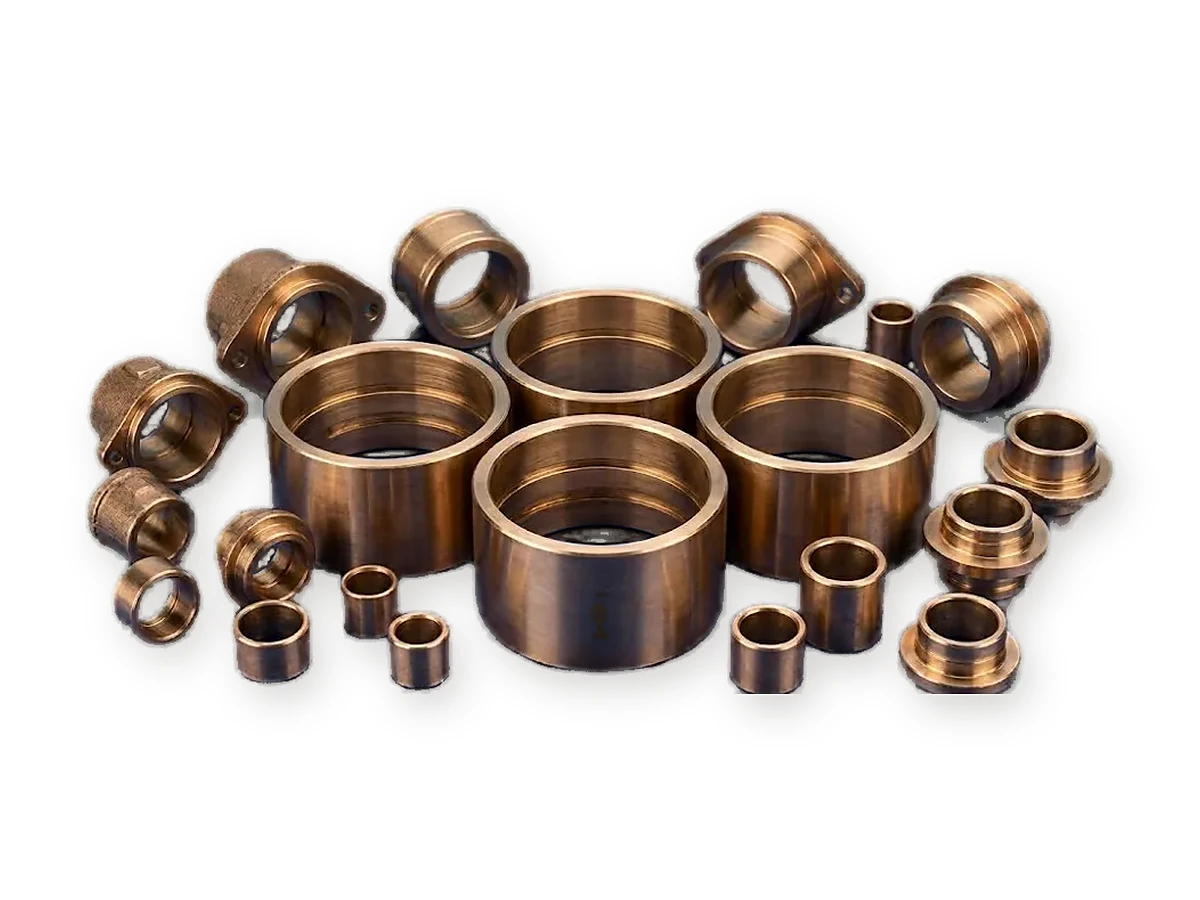
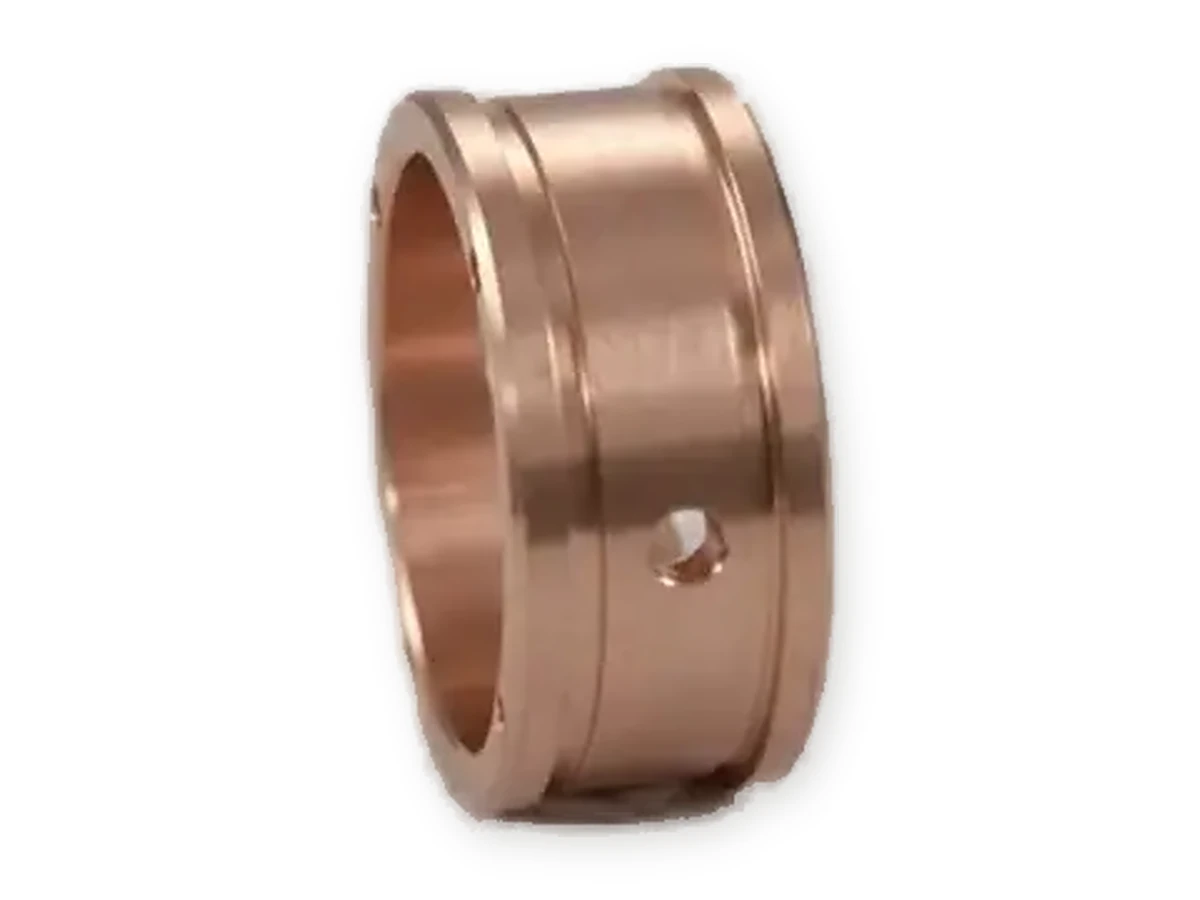
Cast and machined bronze bushings and bearings: plain, flanged and grooved bushes, finished bearing bushes and split shells.
Indicative price from
$11 /kg

Centrifugally cast bronze sleeves and hollow cylindrical blanks for machining.
Indicative price from
$11 /kg
 Representative image
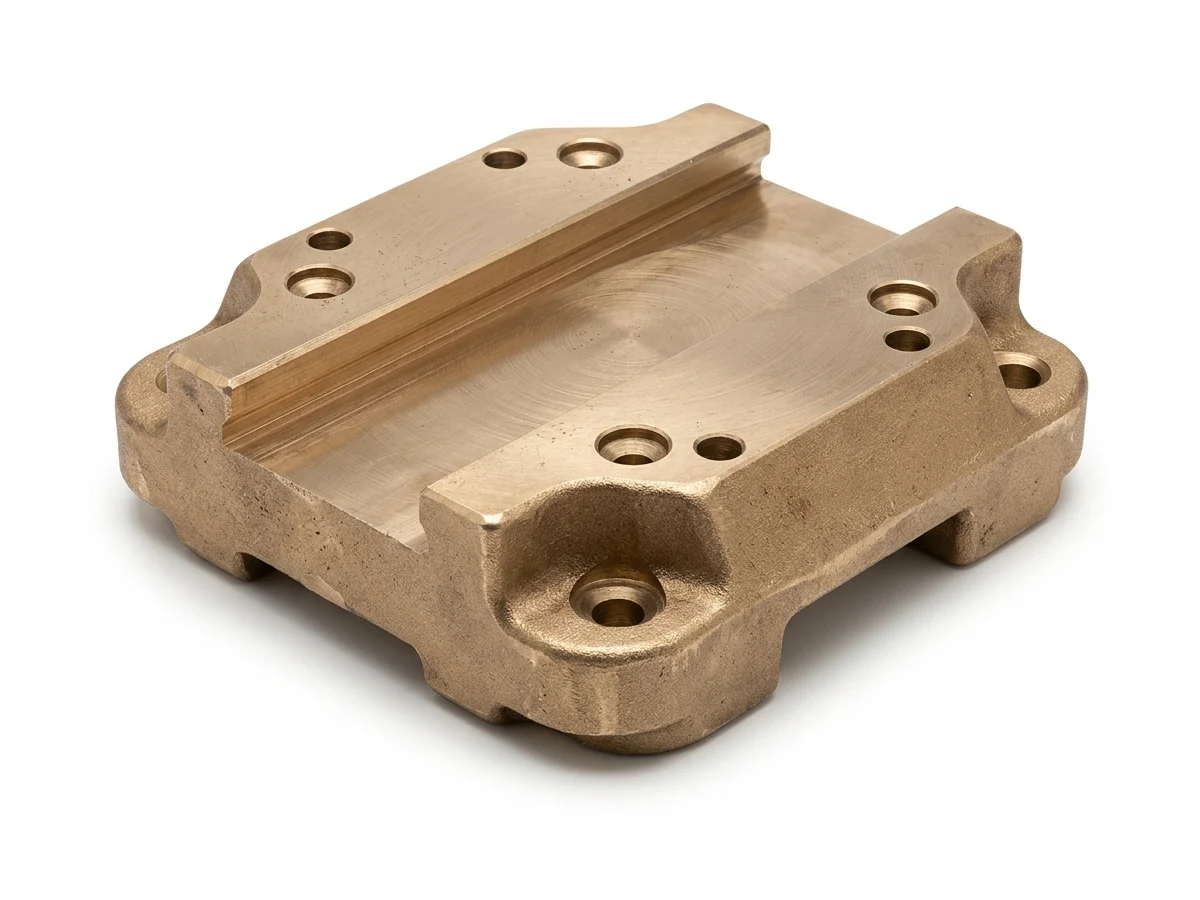
Bronze wear plates and machined cast guide blocks for sliding surfaces.
Indicative price from
$11 /kg
Alloy × process pages for this industry.
Castings for material handling & automation
Makers of cranes, hoists, conveyors, forklifts, stackers, automated storage systems, packaging lines and robotic handling equipment buy non-ferrous castings for the parts that guide, support and drive movement: wheel and sheave bushes, worm wheels for hoist and slew drives, guide rollers and slide pads, brake and clutch components, gearbox bushes, hydraulic parts and electrical contact parts such as collector shoes and slip-ring components. Material-handling equipment often runs for long shifts, starts and stops thousands of times a day and must be reliable and safe, because a failed drive or brake can drop a load or stop a whole warehouse or production line.
This guide explains which castings the material-handling and automation sector buys from a non-ferrous foundry, the alloys used and why, the standards that apply, inspection and documents, design tips and how to order. Conex Casting Foundry in Jamnagar, Gujarat, casts copper-base, aluminum and stainless alloys by sand, shell, gravity die, centrifugal, continuous, pressure die and investment casting, machines them in-house on CNC equipment, and exports to more than 34 countries.
Overhead travelling cranes, gantry cranes, jib cranes, electric wire-rope hoists and chain hoists contain bronze in several places. Worm-geared hoists use phosphor bronze worm wheels; sheaves and rope drums may run on bronze bushes; wheel axles on smaller cranes and trolleys use bronze bushes; slew drives of jib and deck cranes use bronze worm wheels and thrust washers. Electrical power reaches the crane through conductor bars, with copper-alloy or graphite-copper collector shoes sliding along them, and festoon or reel systems use brass and copper terminals and fittings.
Belt, roller, chain and screw conveyors use bronze bushes in idlers, tensioners, take-ups and hanger bearings. Screw conveyors handling food, grain, chemicals or abrasive powders often use bronze or hard-iron hanger bearings, with bronze preferred where the product must not be contaminated by grease or where the bearing runs partly dry. Gearboxes driving conveyors use bronze worm wheels and bushes.
Mast rollers, steering knuckles, tilt-cylinder pivots and chain anchors in forklifts use bronze bushes. Hydraulic pumps, control valves and fittings use bronze and brass. Electric trucks and automated guided vehicles use copper and brass terminals, battery connectors and busbar parts.
Automated storage and retrieval systems, sorters, palletizers and packaging machines use bronze guide bushes, slide pads, worm gears in indexing drives, aluminum housings and brackets, and stainless parts in hygienic zones.
Scissor pivots, roller tracks and hydraulic cylinder eyes on lifting tables and dock levellers run in bronze bushes, which must carry heavy static loads with slow oscillating motion and often irregular greasing.
| Part | Typical alloys | Process |
|---|---|---|
| Hoist and slew worm wheels | Phosphor bronze C90700 / CC481K / PB1, nickel tin bronze C91700 | Centrifugal cast rim, machined |
| Sheave, wheel and pivot bushes | Leaded tin bronze C93200 / CC491K, aluminum bronze C95400 | Continuous or centrifugal cast, machined |
| Screw-conveyor hanger bearings | Leaded tin bronze C93200, oil-impregnated or graphite-plugged bronze | Continuous or sand cast, machined |
| Guide rollers and slide pads | Aluminum bronze C95400 / C95500, leaded bronze, graphite-plugged bronze | Sand or continuous cast, machined |
| Thrust washers | Leaded tin bronze, aluminum bronze | Continuous cast, machined |
| Collector shoes and slip-ring parts | Copper C11000, brass, phosphor bronze, chromium copper C18200 | Cast or machined from bar |
| Hydraulic valve and pump parts | Leaded bronze C93700, brass C36000 / CW614N | Continuous cast or bar, machined |
| Housings, covers, brackets | Aluminum LM6 / A413, LM25 / A356, ADC12 | Gravity die, sand or pressure die cast |
| Hygienic-zone parts | CF8, CF8M stainless | Investment or sand cast, machined |
Worm gearing is popular in hoists and slow drives because it gives a large reduction in one stage, runs quietly and, at suitable lead angles, resists back-driving. The bronze wheel is the part that wears, so its quality determines gearbox life.
Material-handling pivots typically see high static loads, slow motion, frequent starts and stops, and sometimes poor lubrication. Leaded tin bronze bushes handle this well and protect the shaft. For heavily loaded pivots with hardened pins and good greasing, aluminum bronze offers more strength. Where greasing is difficult — high on a crane, inside a machine guard or in hygienic areas — graphite-plugged bronze bushes provide solid lubrication and reduce maintenance.
For sheaves and wheels, the bush must also resist the vibration of rope or rail travel. A good interference fit in the hub, correct running clearance on the shaft and effective grease distribution are as important as the alloy.
Cranes, transfer cars, electrified monorails and some AGV charging systems take power through sliding contacts. Collector shoes, contact fingers and slip-ring components are made from copper, brass, phosphor bronze or chromium copper, chosen for conductivity, wear resistance and resistance to arcing. Buyers should specify current rating, the conductor-bar material and the operating environment (indoor, outdoor, dusty, corrosive) so a suitable alloy can be selected.
Automation and packaging equipment increasingly uses aluminum castings for gearbox housings, motor end covers, brackets, pulleys and frame nodes. Gravity die casting in LM25 / A356 gives good strength and can be heat treated; pressure die casting in ADC12 or LM24 suits high-volume thin-walled parts; sand casting suits larger or low-volume housings. Aluminum reduces moving mass, which helps fast-cycling robotic systems.
Cranes and hoists are designed to a duty class (for example classes M1 to M8 under ISO 4301 / FEM, or Class I to IV under IS 807 and IS 3177) that reflects how often they lift, how heavy the loads are relative to capacity, and how long they run. The duty class affects the bronze parts directly:
When ordering replacement parts, sharing the crane's duty class and actual usage helps the foundry and buyer agree whether the original alloy and design are adequate or should be upgraded.
Port cranes, ship-to-shore cranes, outdoor gantries and conveyors at fertilizer, chemical and coastal plants face salt air, rain and chemical fumes. Bronze generally performs well in these conditions, but a few choices help:
Conex operates an ISO 9001:2015 quality system and supplies inspection reports and material test certificates with every order where requested.
Warehouses, ports, steel plants and factories depend on their cranes and conveyors for every shift. Maintenance teams usually keep spare worm wheels, sheave bushes and wear pads on the shelf. Parts made consistently to drawing, with clear marking and documentation, let a spare be fitted quickly without hand fitting. Retaining drawings and patterns at the foundry allows repeat orders to be produced quickly.
Conex combines centrifugal casting for worm-wheel rims, continuous casting for bushes in many sizes, sand and die casting for shaped parts and housings, and in-house CNC machining, so a crane or conveyor builder can source bronze, aluminum and stainless parts from one supplier. Orders are documented with material test certificates and inspection reports, and packed for delivery in India and export to more than 34 countries.
Questions buyers ask
Most often Phosphor Bronze PB2, Bearing Bronze SAE 660, Manganese Bronze C86300, Aluminum Bronze C95400 — chosen for strength, wear, conductivity and corrosion resistance in material handling & automation service. We confirm the grade against your drawing and standard.
Yes. Send your drawing (DWG, PDF, STEP) or a sample photo with quantity and alloy standard; we cast, machine in-house on CNC and inspect before despatch.
Phosphor bronze such as PB1 / C90700 / CC481K, usually centrifugally cast as a rim on an iron or steel hub.
Yes, in leaded tin bronze or aluminum bronze, fully machined with grease grooves.
Bronze hanger bearings can be cast and machined to drawing, including graphite-plugged versions for dry running.
Copper and copper-alloy collector shoes and contact parts can be made to drawing; share the current rating and conductor details.
Aluminum housings and covers can be sand, gravity die or pressure die cast and machined.
Worm wheels can be supplied as rough rims, machined blanks, or with teeth cut to drawing.
Material test certificates (EN 10204 3.1 on request), dimensional reports and NDT reports as specified on the order.
Yes. The wheel and worm can be measured, gear data derived and a drawing prepared for approval before production.
Aluminum bronze or nickel aluminum bronze resists salt air well and carries high loads; seal the bush and use a water-resistant grease.
Send your drawing, get a quotation.
DWG, PDF, STEP or a sample photo — with quantity and destination port.

Conex Export Desk
Talk to our export team
Working on a new casting? Tell us the part and we'll connect you with the right engineer today.