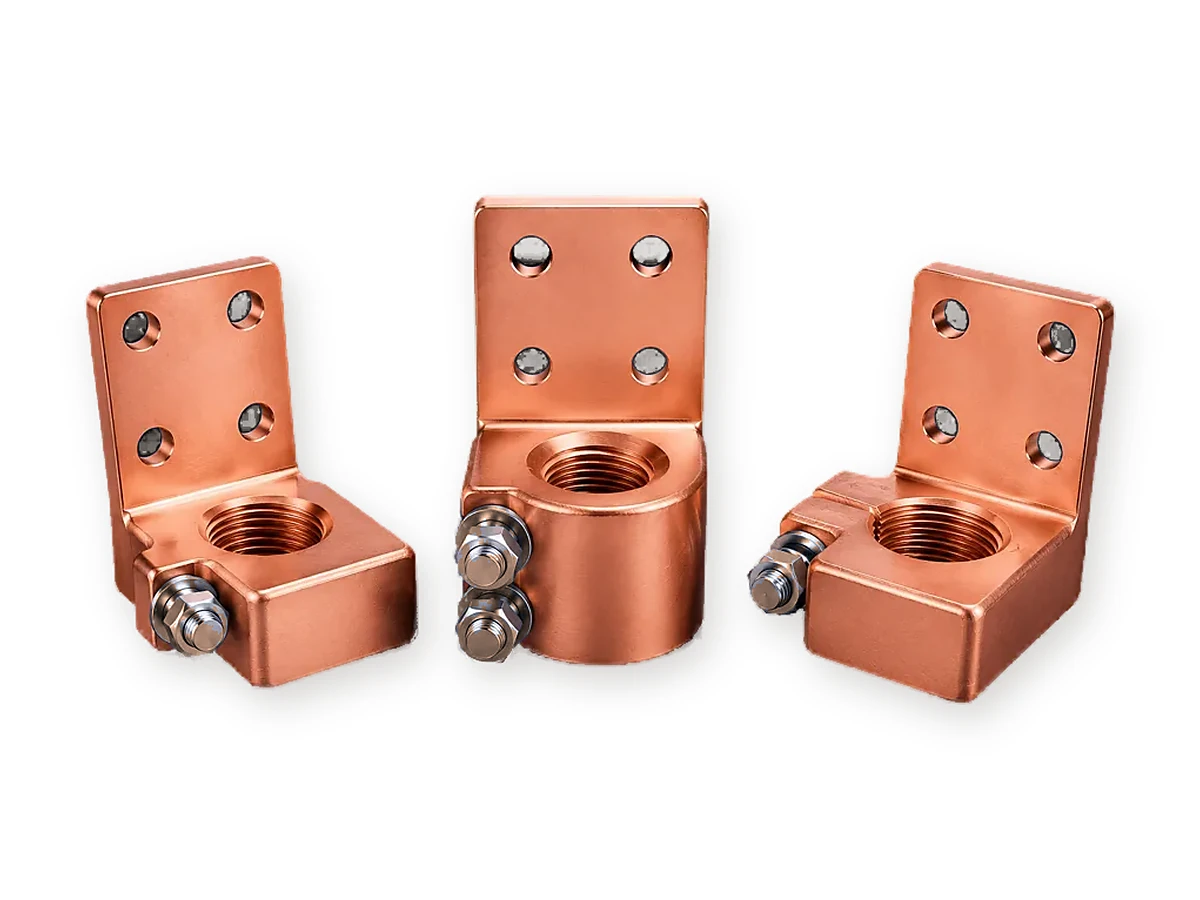
Transformer Bushing Stud Connectors
Copper and bronze stud connectors that join transformer bushing studs to cables and busbars, cast and threaded to your stud size.
Indicative price from
$9 /kg
Industry · Transport & Machinery
Aluminum and copper-alloy parts for vehicles and EVs — housings, terminals, bushes and connectors.
Products for automotive & ev components
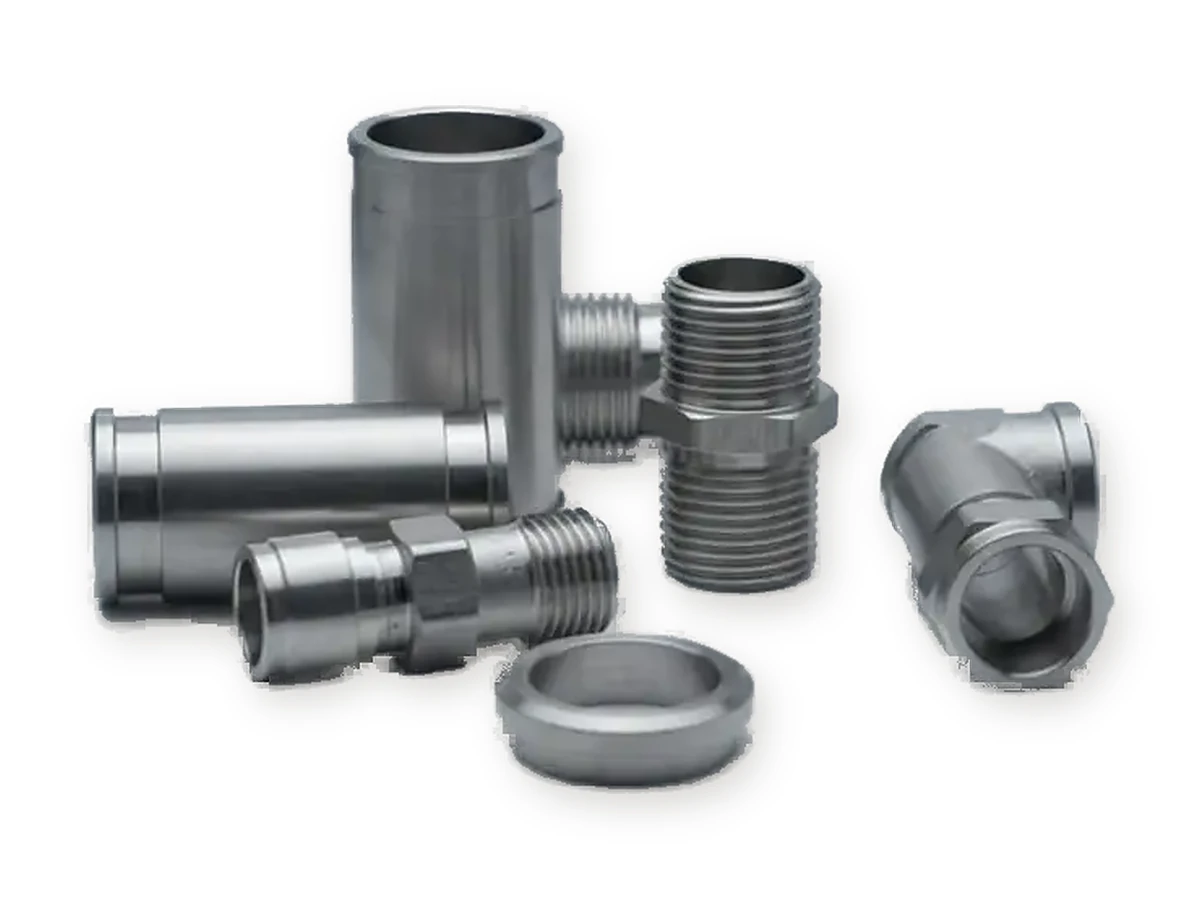
Instrumentation & Gas Fittings
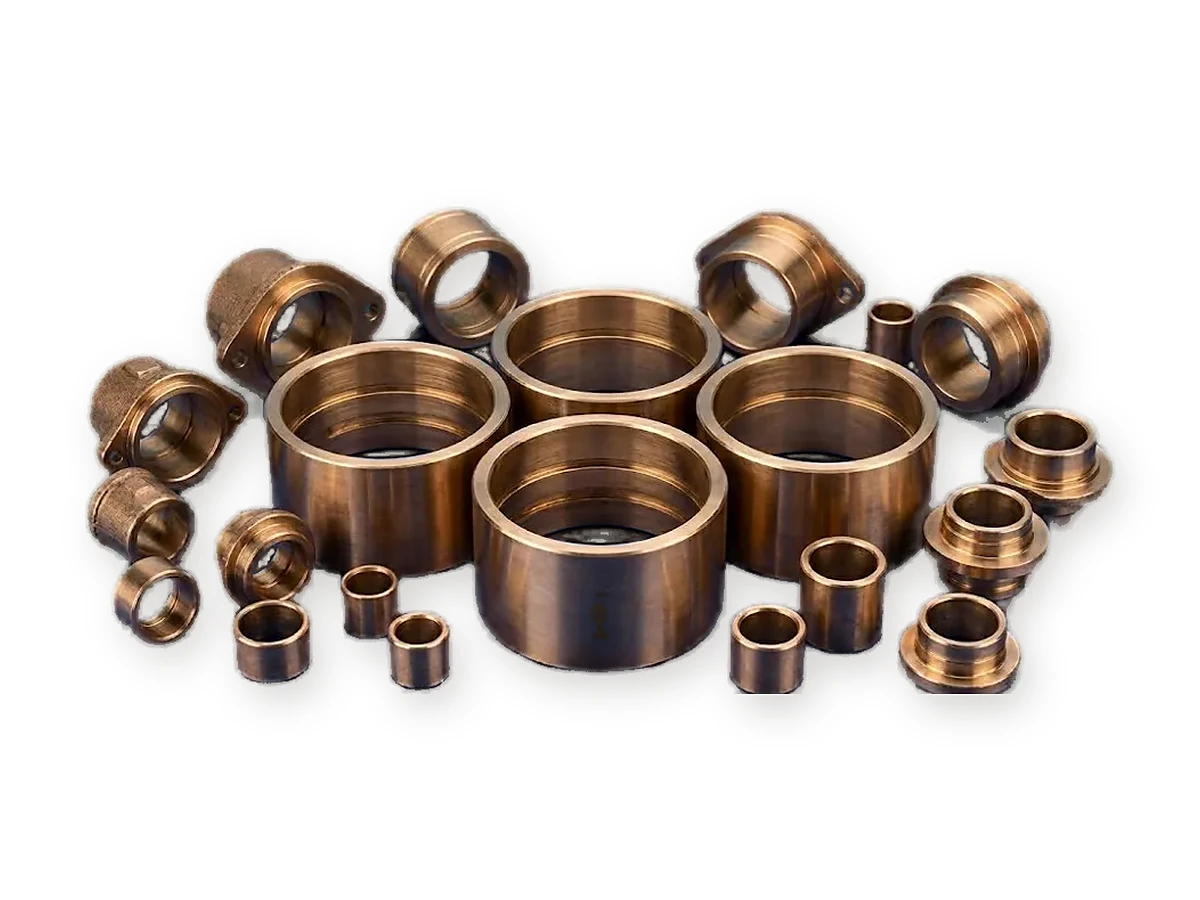
Bushes, Bearings & Wear Plates
Gears, Worm Wheels & Blanks
General Engineering Castings
Copper and bronze stud connectors that join transformer bushing studs to cables and busbars, cast and threaded to your stud size.
Indicative price from
$9 /kg
 Representative image
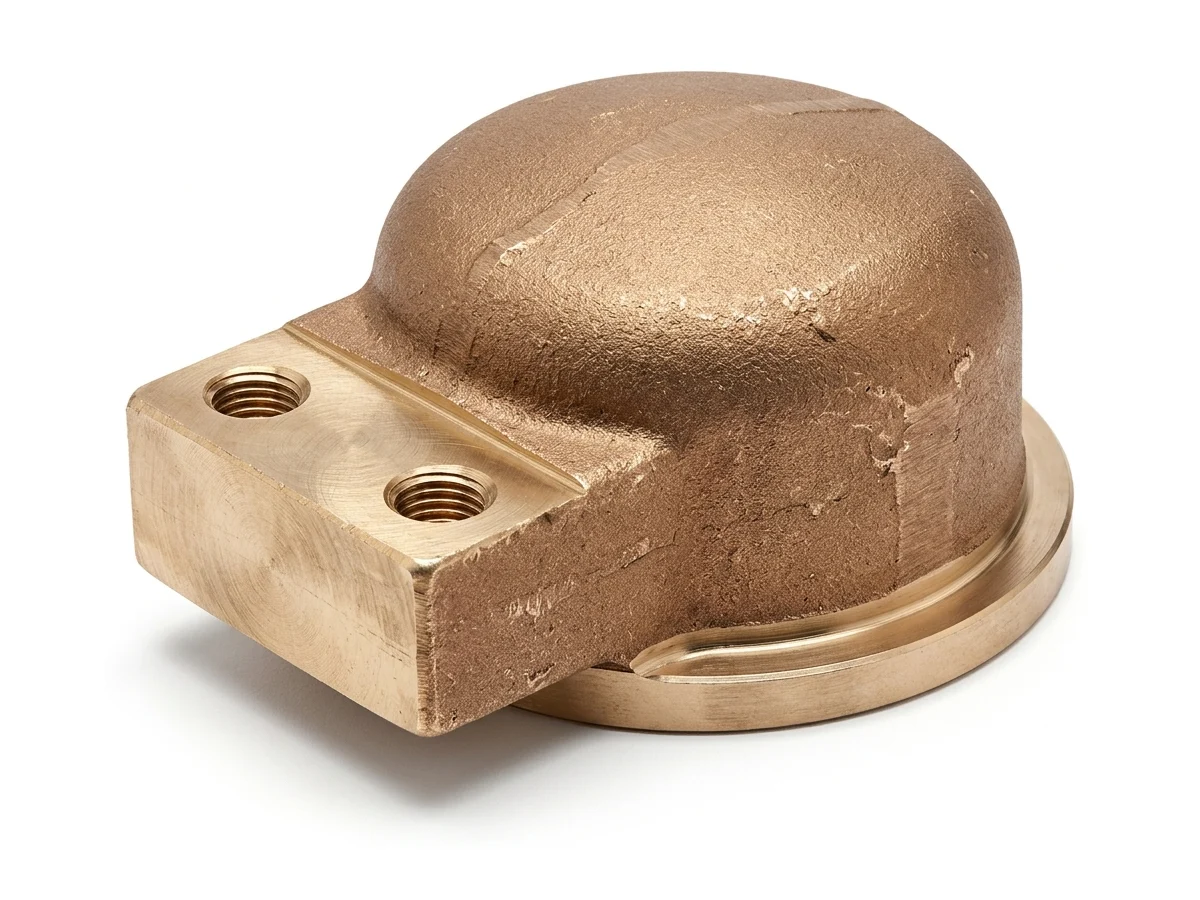
Cast bushing caps and threaded terminal pads in copper alloy and bronze for transformer bushings.
Indicative price from
$9 /kg
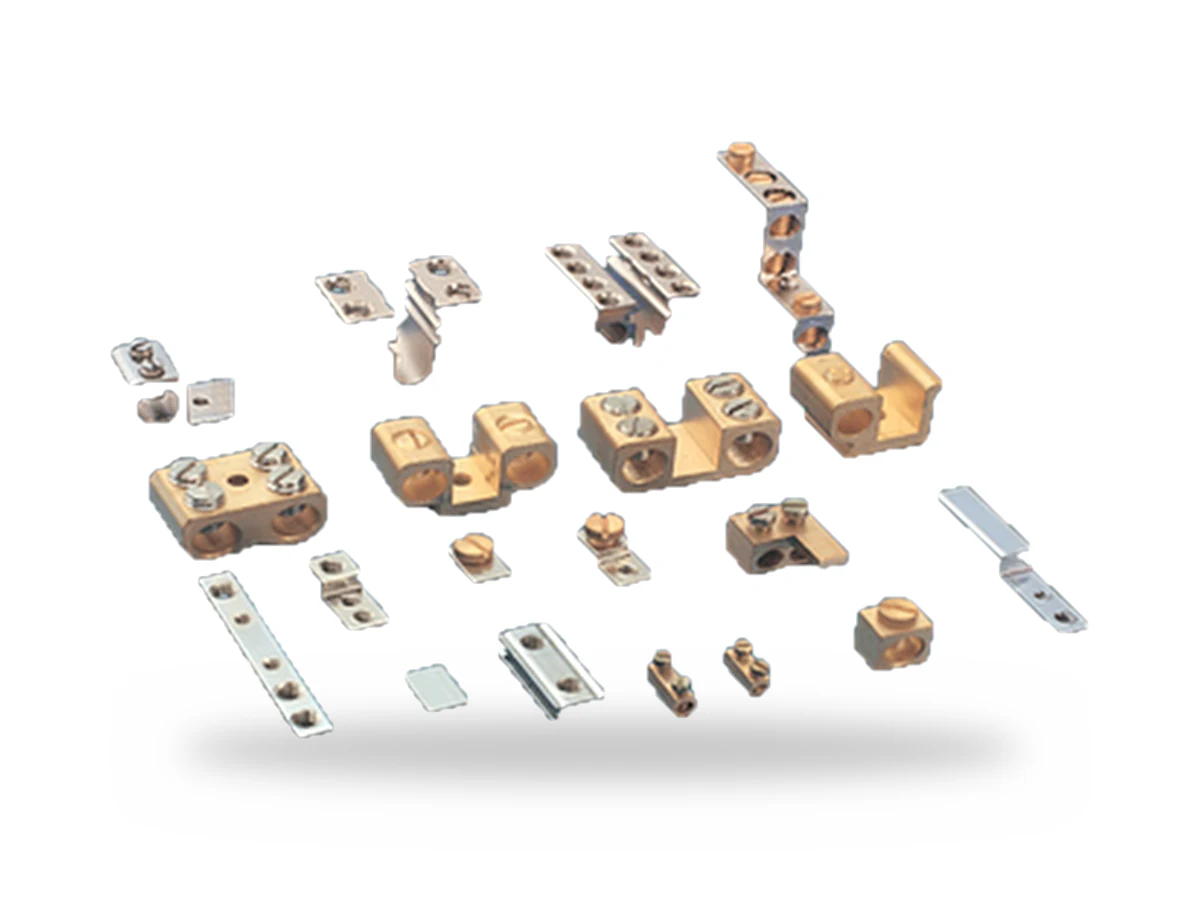
Cast terminal supports and qualified contact carriers in copper alloys for switchgear and electrical equipment.
Indicative price from
$9 /kg
 Representative image
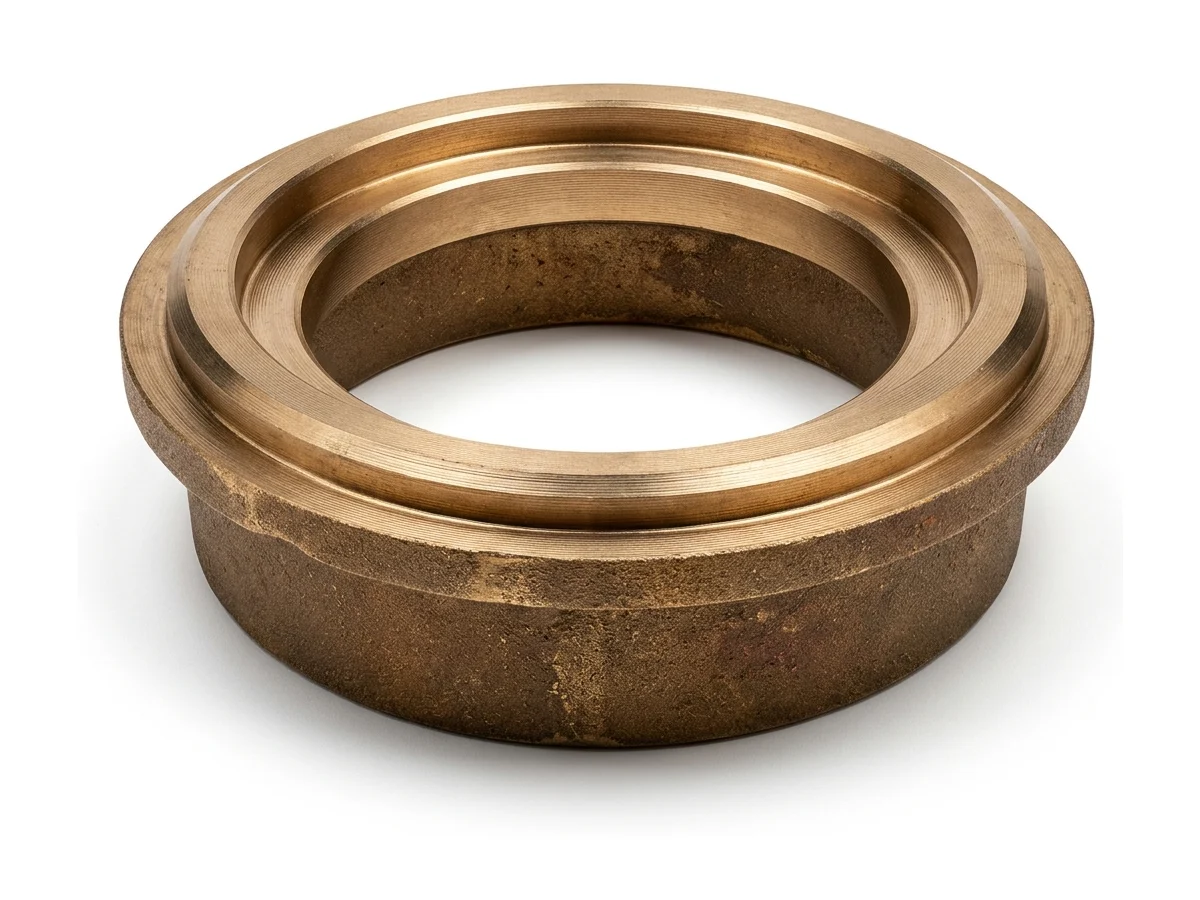
Bronze and cast-alloy pump wear rings that keep impeller clearance tight and pump efficiency high.
Indicative price from
$13 /kg
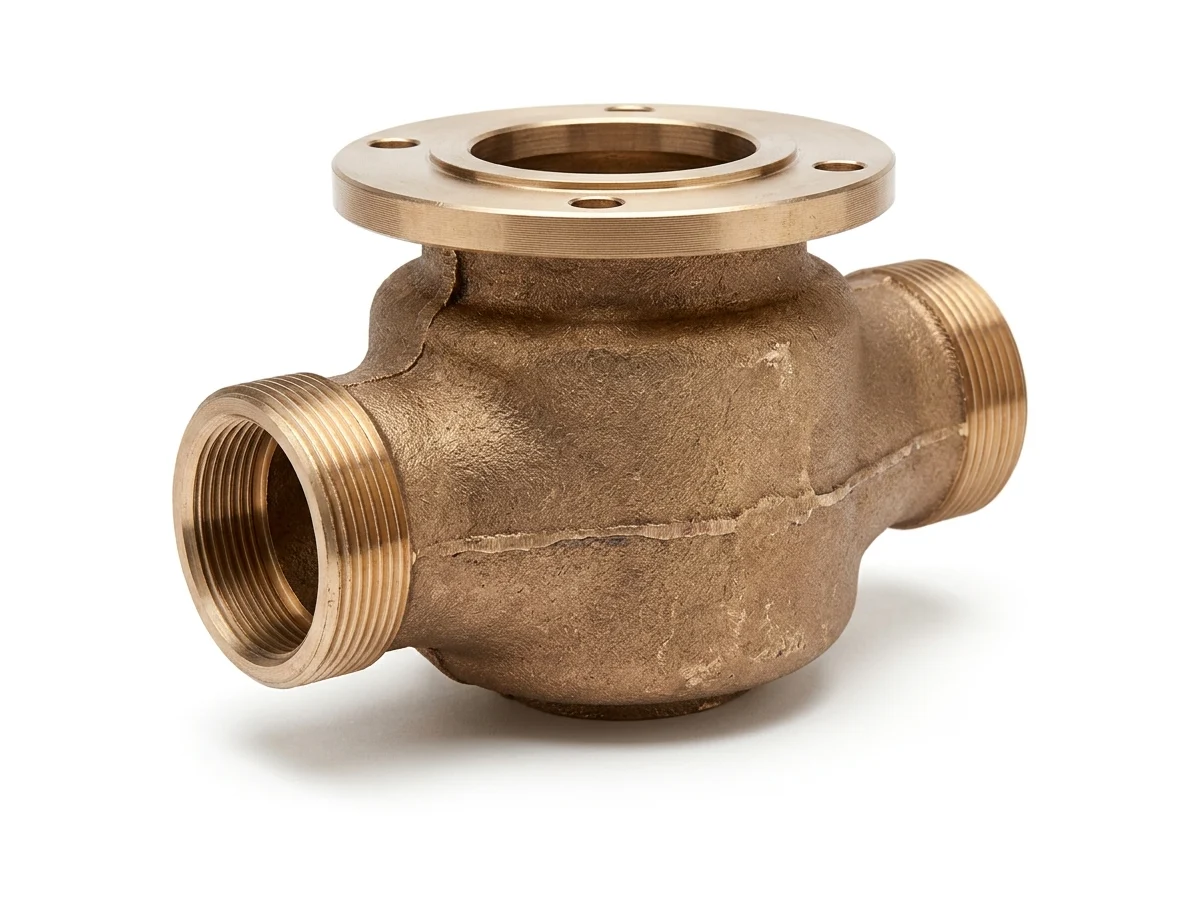 Representative image
Cast bronze and lead-free water meter bodies, machined and pressure tested for meter manufacturers.
Indicative price from
$9 /kg
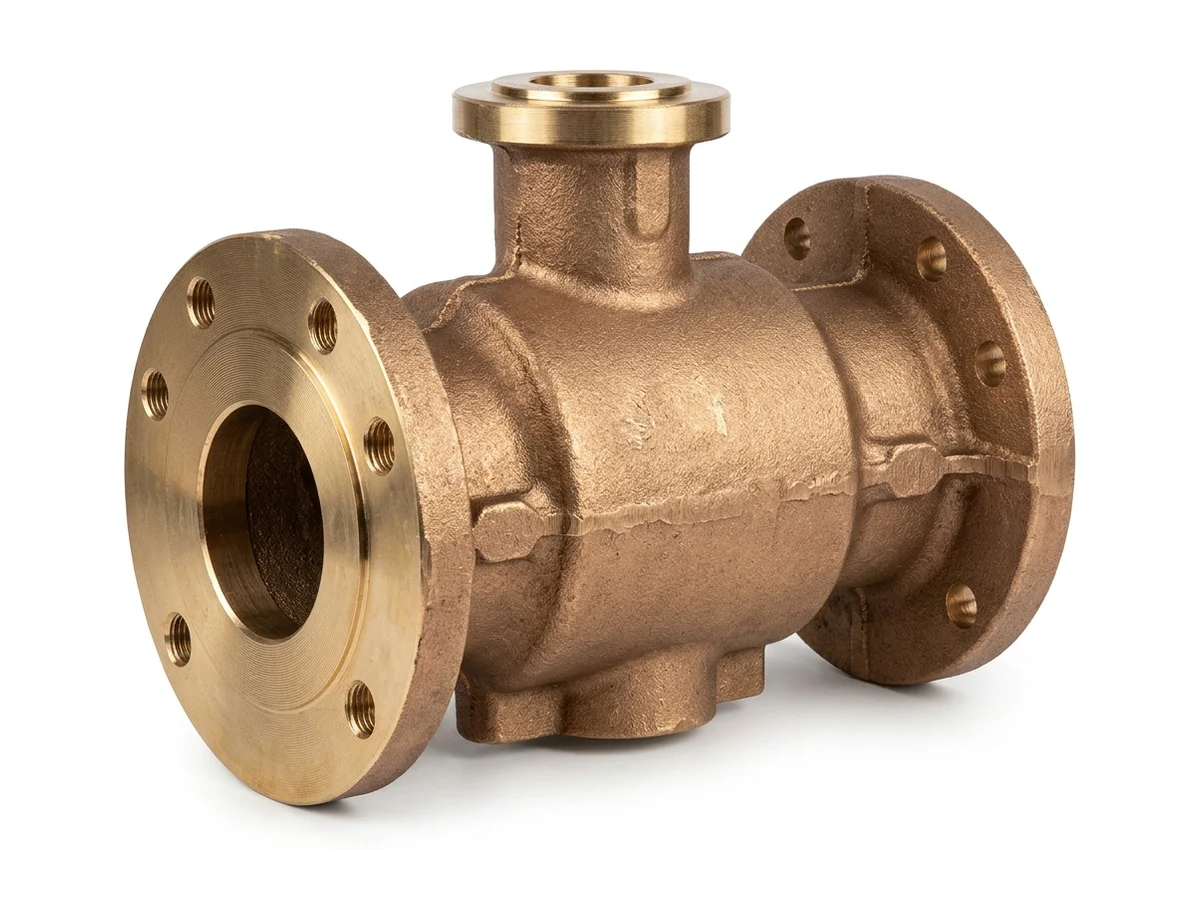 Representative image
Cast flow-meter housings and instrument connection bodies in bronze, aluminum and stainless.
Indicative price from
$9 /kg
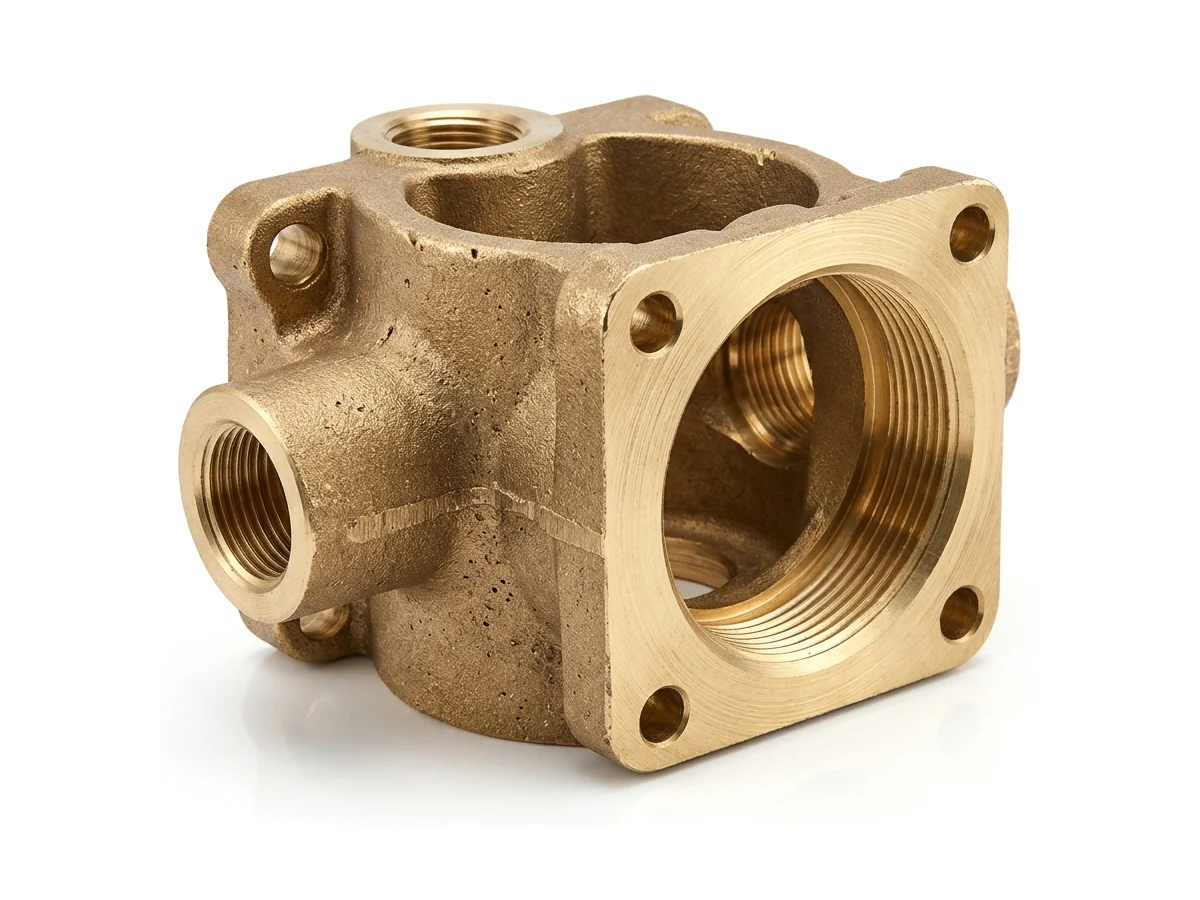 Representative image
Cast gauge housings and instrument manifold bodies in brass, bronze and stainless.
Indicative price from
$9 /kg
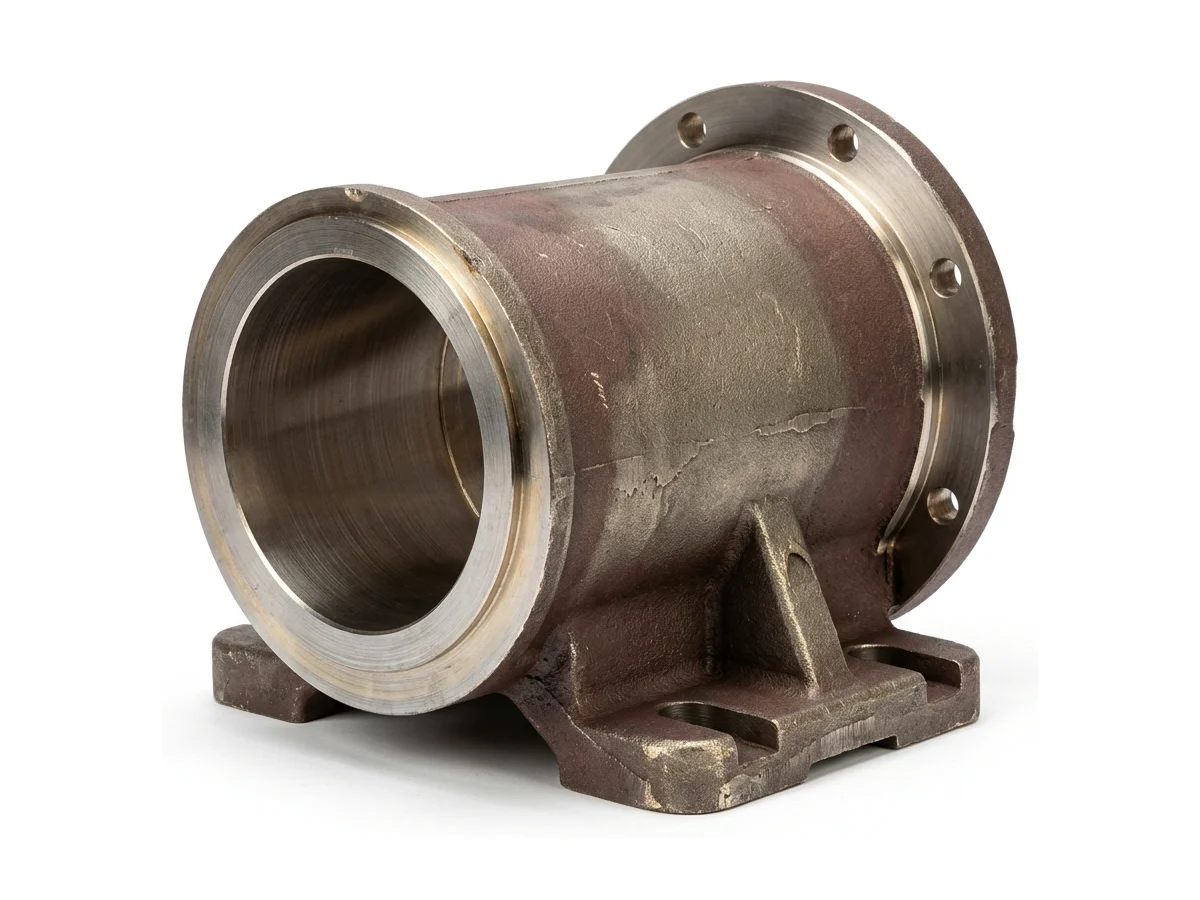 Representative image
Cast bronze stern-tube and shaft-support bearing housings for propeller shafts.
Indicative price from
$11 /kg
Alloy × process pages for this industry.
Castings for automotive & ev components
Automotive and EV component makers buy non-ferrous castings and precision-machined parts for fuel, brake, cooling and air-conditioning systems, sensors and electrical connections, transmissions and suspensions — and, increasingly, for electric drivetrains: copper busbars and high-voltage terminals, charging-connector contacts, motor and inverter parts, and aluminum housings. Brass, bronze, copper, aluminum casting alloys and stainless steel are the main materials, and the parts are produced in high volumes to tight tolerances under the automotive industry's demanding quality-planning and approval processes.
This guide explains which automotive and EV components a non-ferrous foundry and machine shop supplies, the alloys and why, the quality and regulatory requirements buyers apply, inspection and documents, design tips and how to order. Conex Casting Foundry in Jamnagar casts and machines brass, bronze, copper, aluminum and stainless components and exports to more than 34 countries.
| System | Typical parts | Typical alloys |
|---|---|---|
| Fuel system | Fittings, adaptors, sensor bodies, injector-line parts | Brass CW614N / CW617N, stainless 304 / 316 |
| Brakes | Brake-hose fittings and banjo bolts (often steel), proportioning-valve bodies, bleed nipples | Brass, aluminum, steel |
| Cooling and heating | Radiator and heater fittings, thermostat housings, drain cocks | Brass, aluminum LM6 / LM25 / die-casting alloys |
| Air conditioning | Service valves, fittings, compressor parts | Brass, aluminum |
| Transmission | Synchronizer rings, bushings, thrust washers, shift-fork pads | Special brasses, C92500, C93200, aluminum bronze |
| Suspension and steering | Bushings, ball-joint and pivot parts | Bearing bronze, sintered bronze |
| Sensors and electrical | Sensor housings, terminals, connector contacts | Brass, phosphor bronze, copper, aluminum |
| Engine and auxiliaries | Bushings, valve guides, oil-pump parts, housings | Bronze, aluminum bronze, aluminum alloys |
| Area | Typical parts | Typical alloys |
|---|---|---|
| High-voltage power distribution | Busbars, terminals, lugs, fuse and contactor terminals | Copper C11000 / C10200, tin, silver or nickel plated; aluminum |
| Charging | Inlet and connector contact pins and sockets, terminal blocks | Brass, copper, copper alloys; silver plated |
| Traction motors | Copper rotor end rings and bars, terminals, bearing parts | Copper, chromium copper, bronze |
| Inverters and power electronics | Housings, cooling plates, terminal parts | Aluminum die-casting alloys, A356, copper |
| Battery packs | Module connectors, enclosures, brackets, cooling parts | Copper, aluminum, aluminum castings |
| Thermal management | Valve and pump bodies, fittings for coolant circuits | Aluminum, brass, stainless |
Automotive parts are approved through structured quality planning. Buyers commonly follow the AIAG Production Part Approval Process (PPAP) or the German VDA 2 process, supported by Advanced Product Quality Planning (APQP), process flow diagrams, process FMEAs, control plans, measurement-system analysis and capability studies for critical characteristics. Many vehicle makers require their direct suppliers to hold IATF 16949 certification, and those suppliers in turn flow requirements down to sub-tier suppliers such as foundries and machine shops. Conex works under an ISO 9001:2015 quality system; buyers should state their PPAP level, documentation and any sub-tier requirements at the enquiry stage so that the supply plan can be agreed.
| Check | Purpose |
|---|---|
| Material certification and chemical analysis | Grade compliance, lead content, IMDS data |
| Dimensional inspection with SPC | Capability on critical characteristics |
| Thread and functional gauging | Fit and assembly on customer lines |
| Leak testing | Fuel, coolant and A/C parts, aluminum housings |
| Cleanliness testing | Residual particles in fluid-system parts (for example to ISO 16232) |
| Conductivity and plating thickness | EV busbars, terminals and contacts |
| Visual and surface inspection | Burrs, porosity, plating defects |
Documents may include material test certificates to EN 10204 3.1, PPAP submissions as agreed, inspection reports, SPC data and IMDS entries.
Fuel injection, brake, transmission and coolant systems are sensitive to particles left from machining. Automotive customers often specify maximum particle sizes and counts per part, tested by washing parts and analyzing the extracted particles. Achieving these limits requires burr-free machining, effective washing and drying, clean handling and protective packaging. Planning for cleanliness from the start — for example avoiding blind cross-holes that trap chips — makes it much easier to meet specifications consistently.
Electrification is changing the mix of non-ferrous parts in vehicles. Engines, fuel systems and exhaust parts disappear, while copper content rises sharply in motors, batteries, power electronics and charging, and aluminum castings grow in size and number for housings and structures. EV parts often need tighter flatness, better surface finish and controlled plating to keep electrical joints cool. Suppliers who can machine copper precisely, plate it reliably and cast and machine aluminum housings are well placed to support this transition.
Many automotive brass parts can be made in more than one way. Small round parts — sensor bodies, adaptors, unions — are usually turned from bar on multi-spindle or CNC lathes. Bodies with branches, hexagons and flanges are often hot stamped from brass slugs and then machined, which saves material and gives dense, strong metal. Complex hollow bodies or larger parts may be cast by gravity die or investment casting. The choice depends on part geometry, annual volume and tooling budget; at high volumes the material saving from hot stamping or casting can outweigh the tooling cost within months.
Electric vehicles manage battery, motor and power-electronics temperatures with coolant and refrigerant circuits that use valves, pumps, chillers and many fittings. These parts must be leak tight at varying pressures and temperatures, resist glycol-based coolants and refrigerants, and be clean inside. Aluminum castings and machined aluminum and brass fittings are common, with stainless steel in some locations. Leak testing, cleanliness control and accurate sealing surfaces are the key quality characteristics.
Two- and three-wheelers use brass and aluminum fittings, bronze bushings and aluminum die-cast housings in very high volumes, and their electric versions use the same copper busbars, terminals and aluminum housings as cars on a smaller scale. Trucks, buses and off-highway vehicles use larger bronze bushings in steering, suspension and cab mounts, brass air-brake fittings and valve bodies, and heavy copper connections in electric buses and trucks. Their duty cycles are harsher and service lives longer, which favors robust alloys and generous design margins.
The automotive aftermarket needs replacement fittings, bushings, sensor bodies and connectors long after vehicle production ends. Aftermarket suppliers often buy in smaller batches across many part numbers, so flexible machining from bar and sand or investment casting from existing patterns are well suited. Clear part marking and packaging by part number support distribution.
Conex casts brass, bronze, copper, aluminum and stainless steel by sand, shell, gravity die, low-pressure, pressure die, investment, centrifugal and continuous processes at its foundry in Jamnagar, Gujarat, and machines components in-house on CNC equipment. Inspection and material test certificates are supplied under an ISO 9001:2015 quality system, and the company exports to more than 34 countries.
Every order can be supplied with a material test certificate to EN 10204 3.1 linking each heat to the parts delivered, a dimensional inspection report for first articles and production samples, and test reports for any pressure, hardness, conductivity or non-destructive tests specified on the order. Parts are marked and packed so that each lot can be traced back to its certificate.
Electric vehicles and charging stations rely on copper and copper-alloy parts to carry high currents safely: busbar connectors, battery terminals, charging connector contacts and earthing parts. Aluminum castings are used for battery housings, motor housings and inverter enclosures where weight matters. These parts need high conductivity, accurate dimensions for assembly, and plating where specified to keep contact resistance low over many charge cycles. Prototype and low-volume parts can be machined from cast or continuous-cast blanks before production tooling is made.
Conex casts copper-base alloys, aluminum and stainless steel in Jamnagar, Gujarat, by sand, shell, gravity die, low-pressure, pressure die, investment, centrifugal and continuous casting, machines parts in-house on CNC equipment, works under an ISO 9001:2015 quality system with inspection reports and material test certificates, and exports to more than 34 countries.
Questions buyers ask
Aluminum alloys such as LM25 / A356 for structural parts, and copper alloys like chrome copper for welding consumables.
From development lots to regular production; gravity die casting suits higher volumes.
Free-cutting CW614N / C36000 for turned parts and CW617N for hot-stamped bodies; lead-free brasses where required.
Yes. Copper busbars and terminals can be machined and tin, silver or nickel plated to drawing.
PPAP elements can be prepared to the agreed level; share your requirements at the enquiry stage.
Yes, by pressure die, gravity die or low-pressure casting depending on size and volume, with machining and leak testing.
Cleanliness requirements are reviewed with the drawing; washing, deburring and packing are planned to meet the agreed limits.
Material composition data can be provided for IMDS entry on request.
Special high-strength brasses and bronzes designed for friction and wear; the vehicle or transmission maker's specification governs.
Yes. Parts can be machined from bar or cast by sand or investment processes for prototypes before die or production tooling.
Yes. Brass fittings, bronze bushings and aluminum and copper parts can be supplied in smaller batches across many part numbers, packed and labeled for distribution.
Send your drawing, get a quotation.
DWG, PDF, STEP or a sample photo — with quantity and destination port.
Conex Export Desk
Talk to our export team
Working on a new casting? Tell us the part and we'll connect you with the right engineer today.