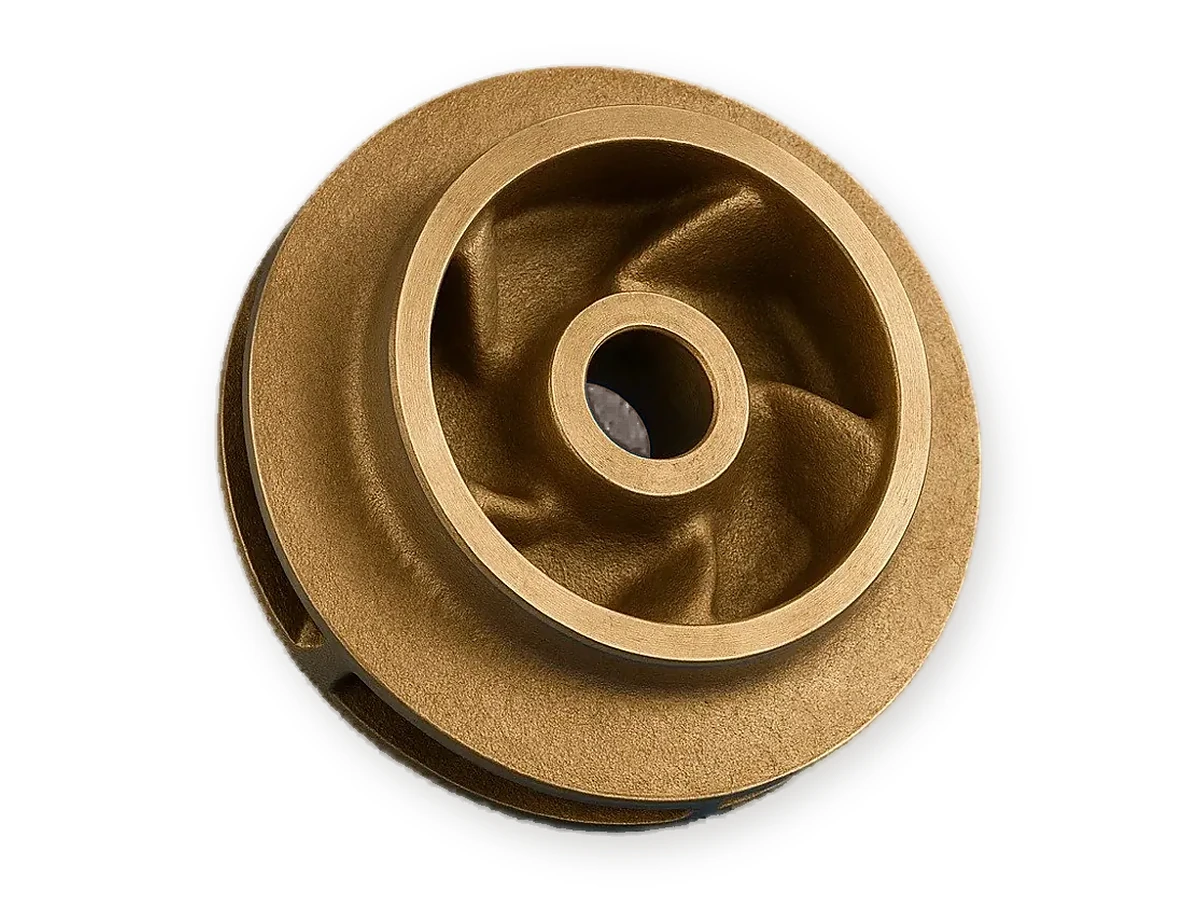
Pump Impellers
Bronze, nickel aluminum bronze and stainless steel pump impellers, cast, machined and balanced to your drawing.
Indicative price from
$13 /kg
Industry · Fluid & Marine
Alloys that resist chlorides, chemicals and dezincification for water, desalination and chemical plants.
Products for water & chemical plants
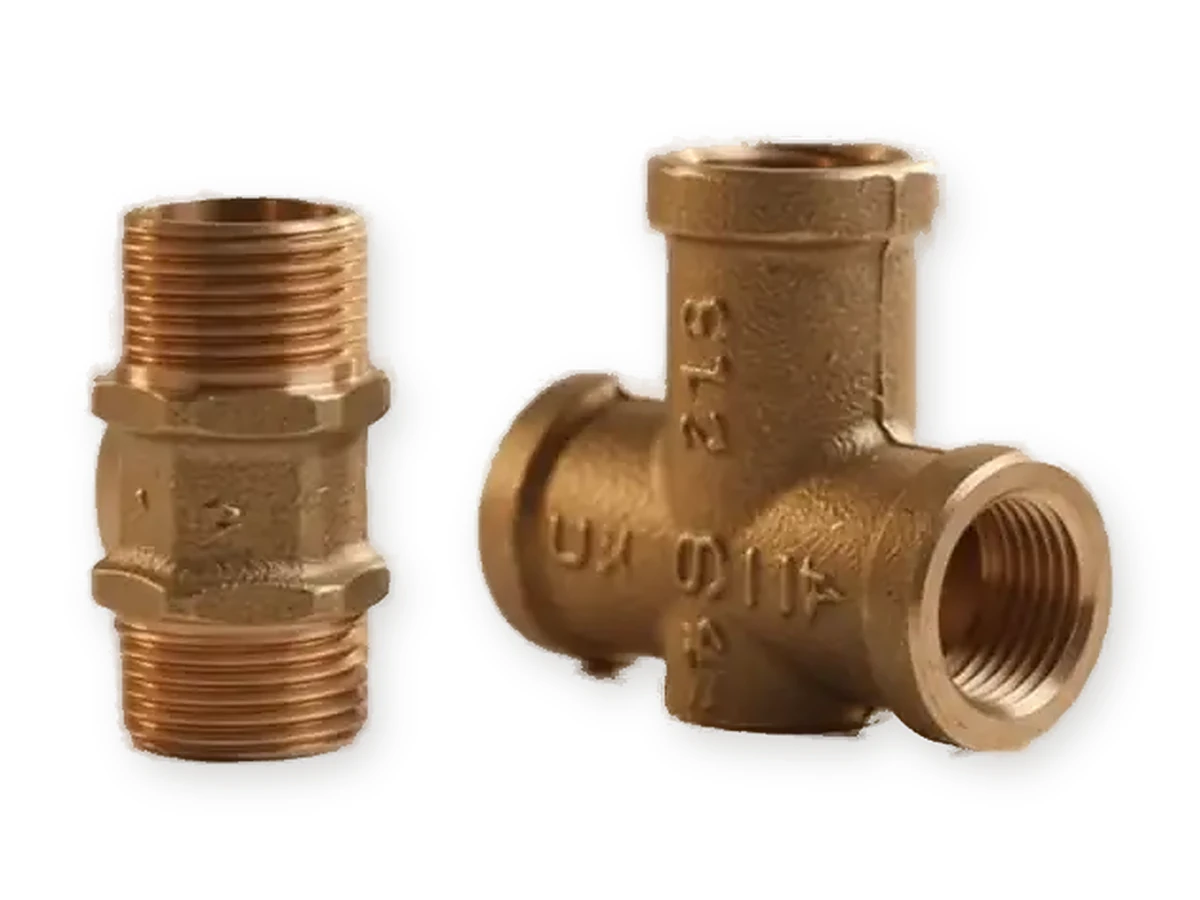
Valve Bodies, Bonnets & Trim
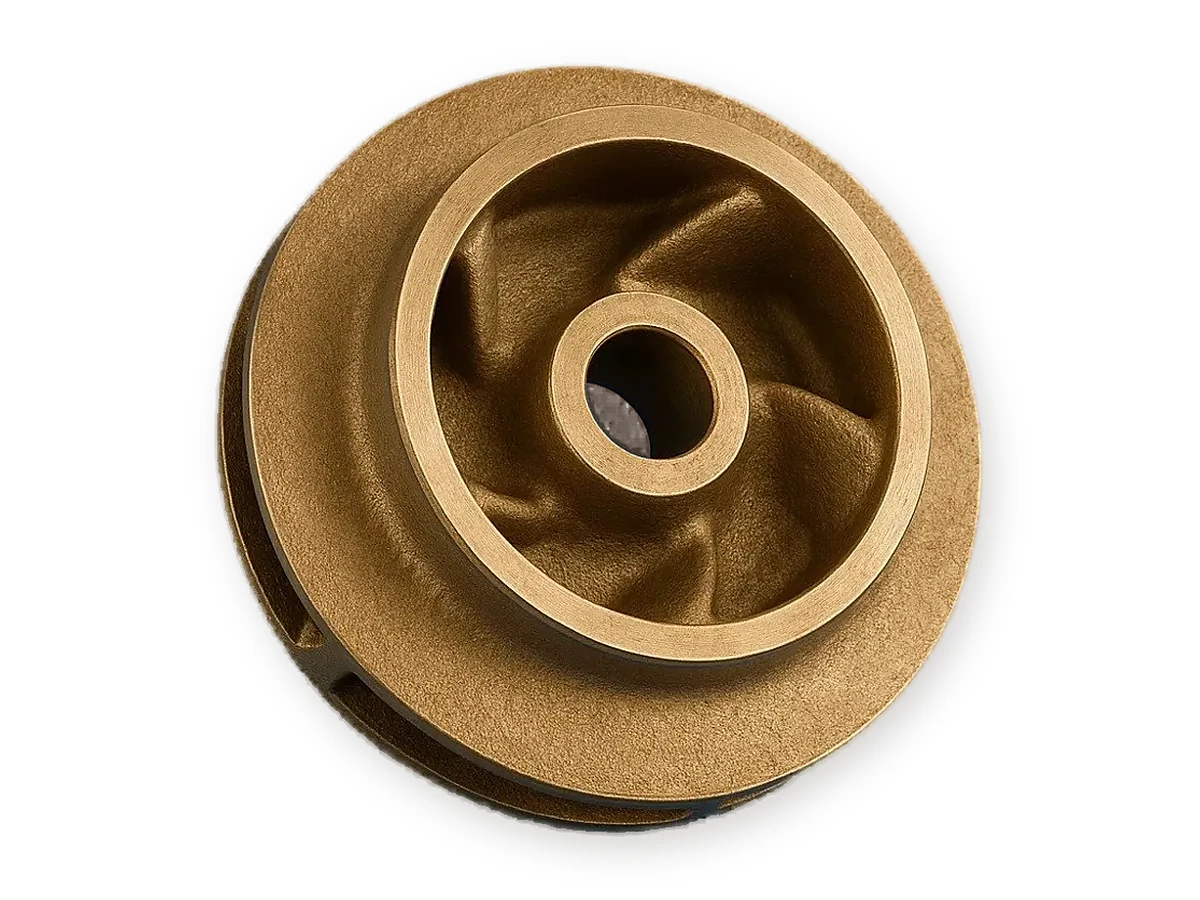
Pump Impellers, Casings & Diffusers
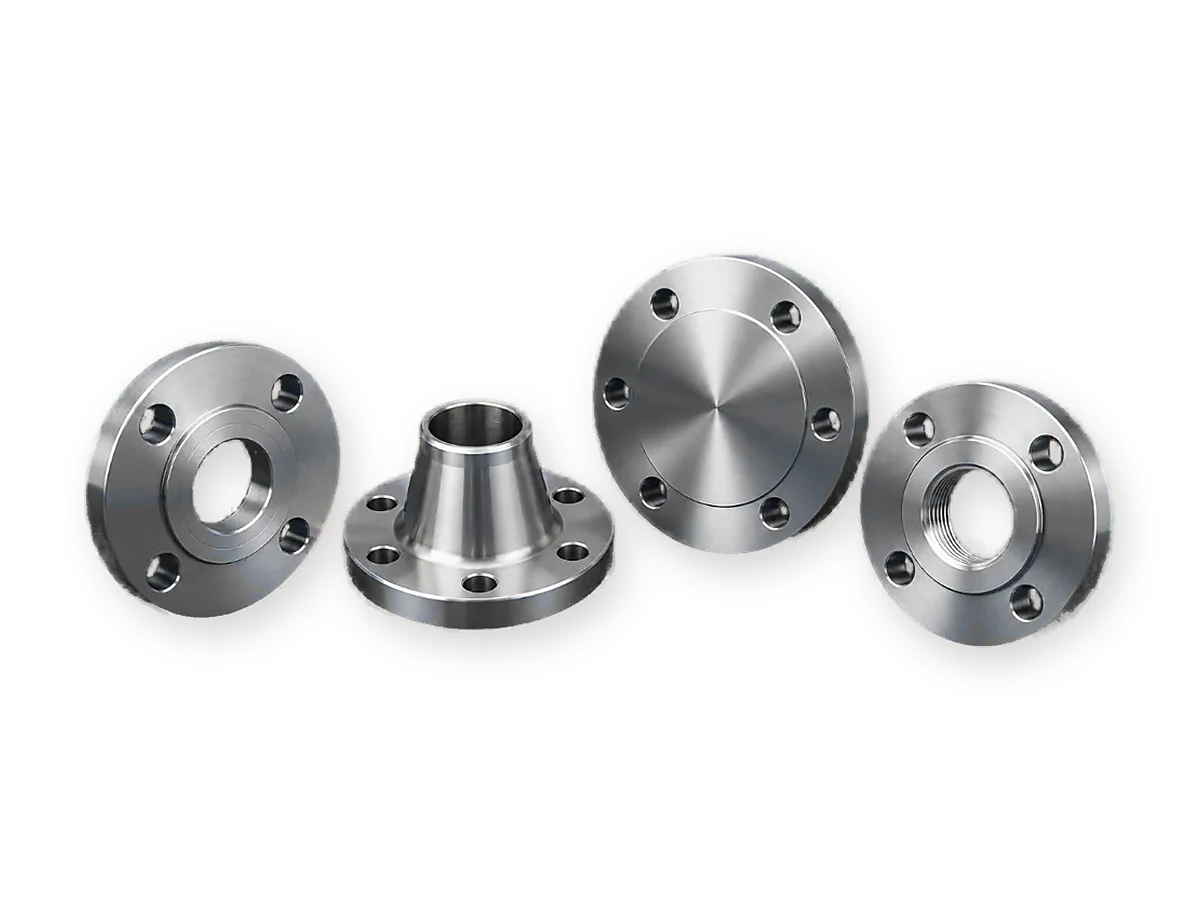
Flanges & Pipe Fittings
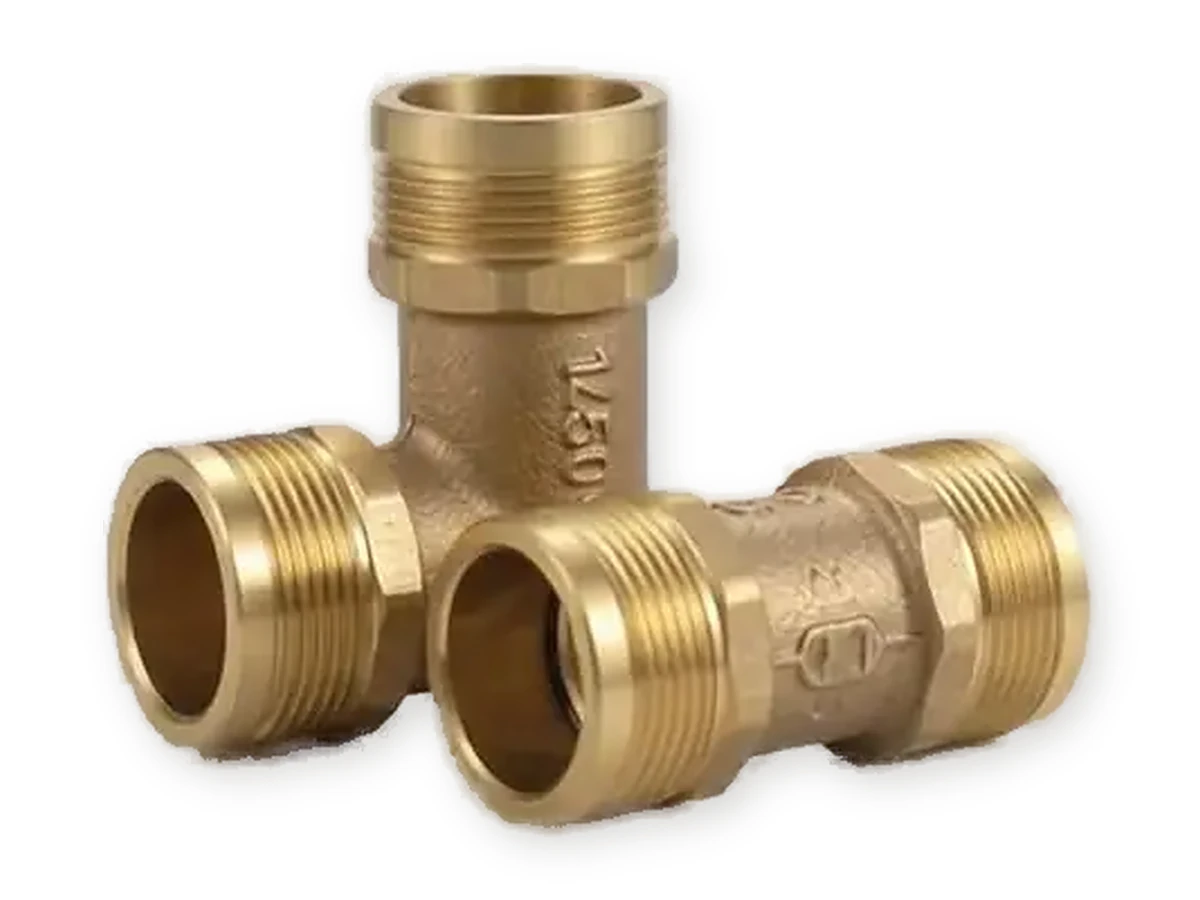
Plumbing & Fire-Fighting Fittings
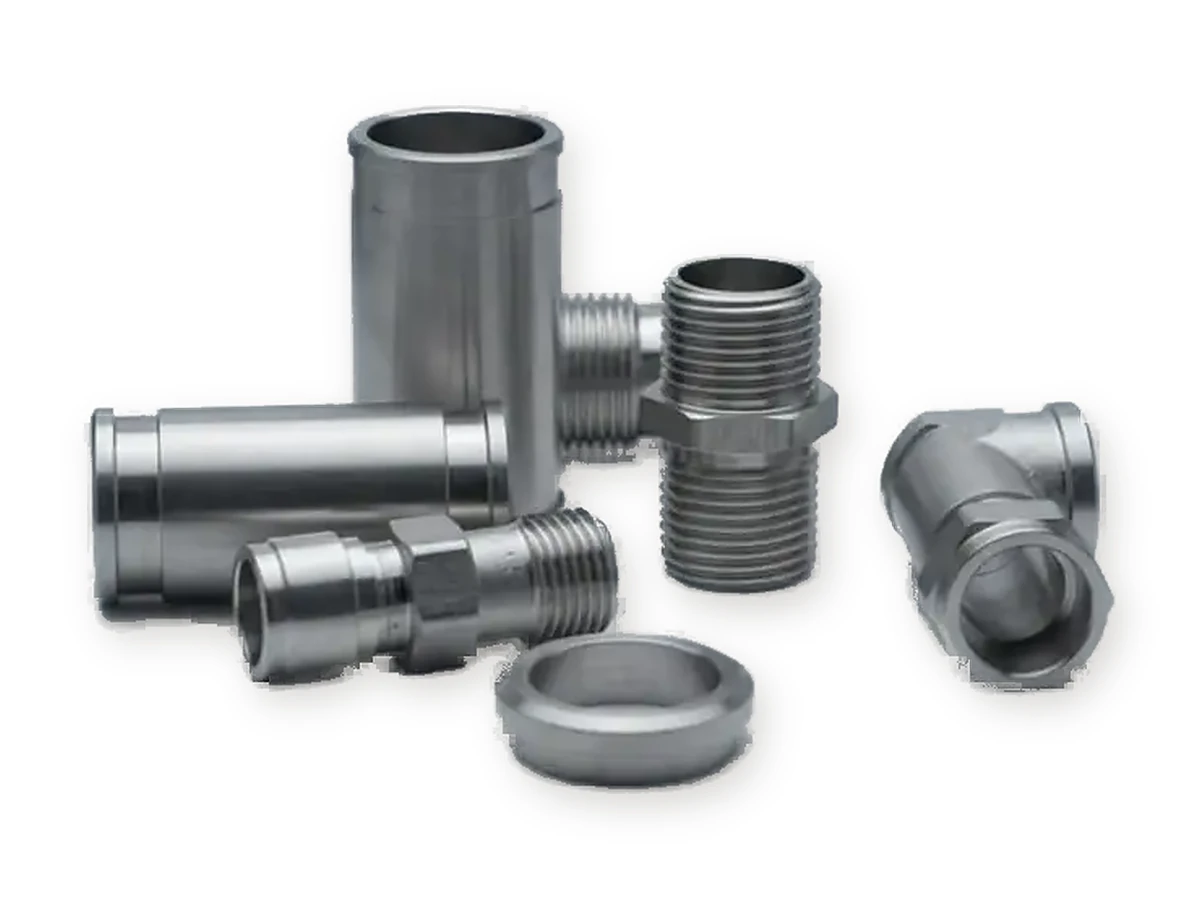
Instrumentation & Gas Fittings

Heat-Exchanger & Tube-Plate Parts
Bronze, nickel aluminum bronze and stainless steel pump impellers, cast, machined and balanced to your drawing.
Indicative price from
$13 /kg
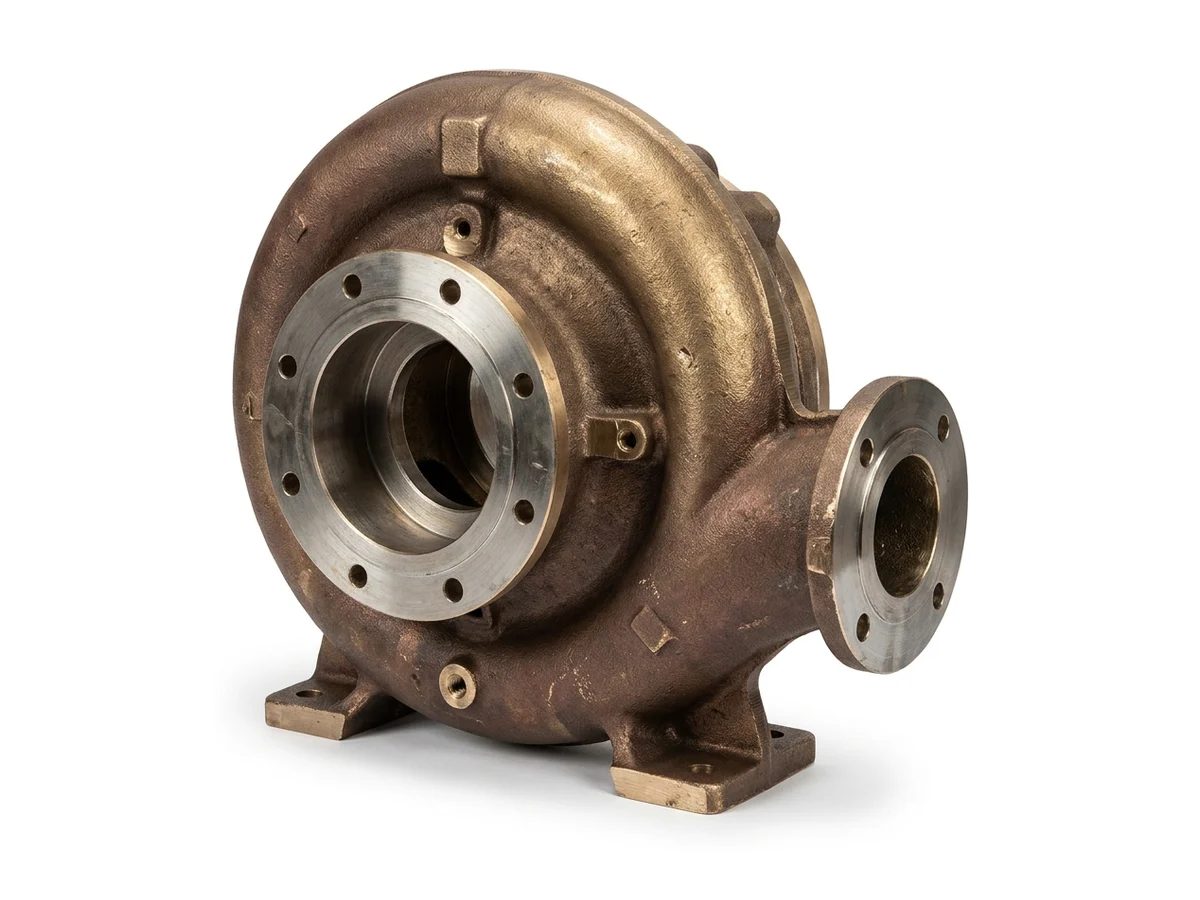 Representative image
Bronze and stainless volute casings and pump housings, cast pressure-tight and machined to drawing.
Indicative price from
$13 /kg
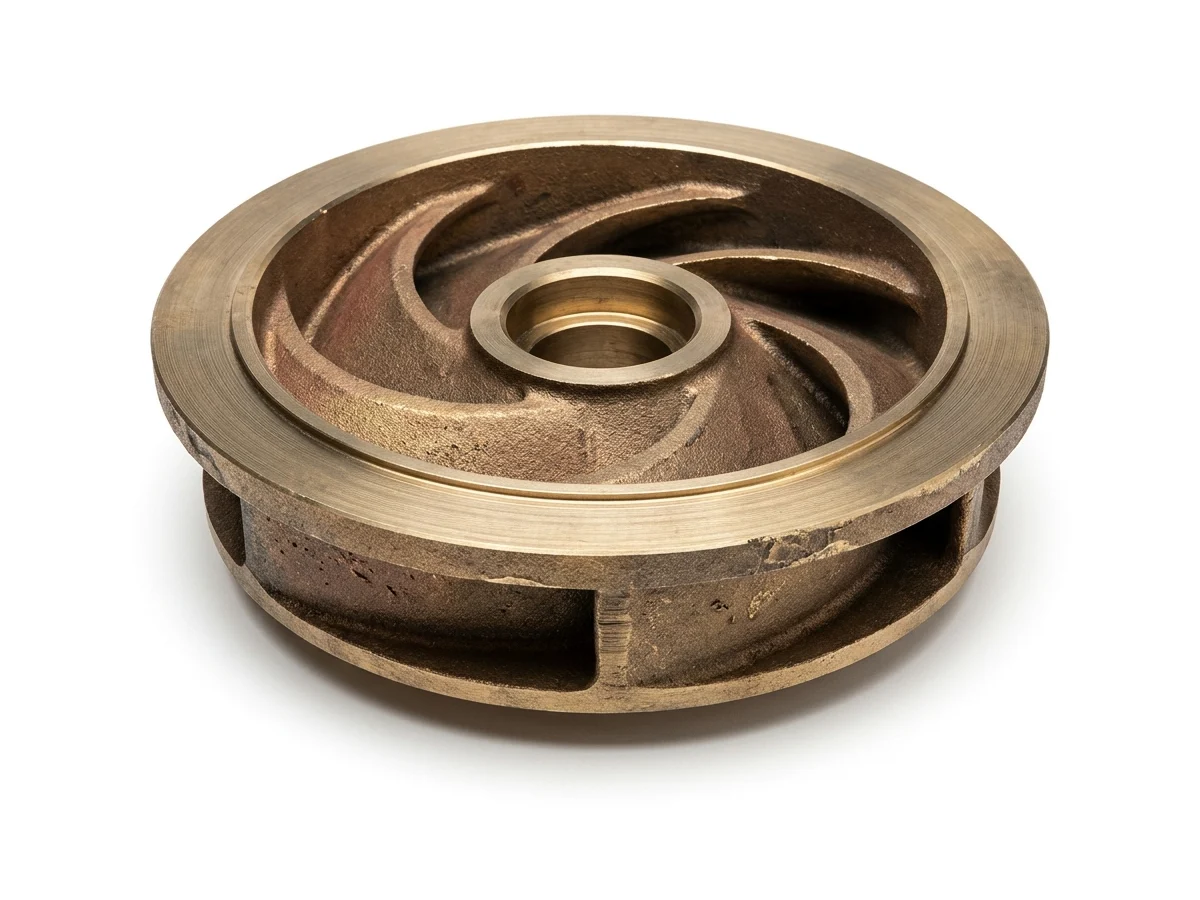 Representative image
Cast diffuser bowls and diffuser components in bronze and stainless for multistage and vertical pumps.
Indicative price from
$13 /kg
 Representative image
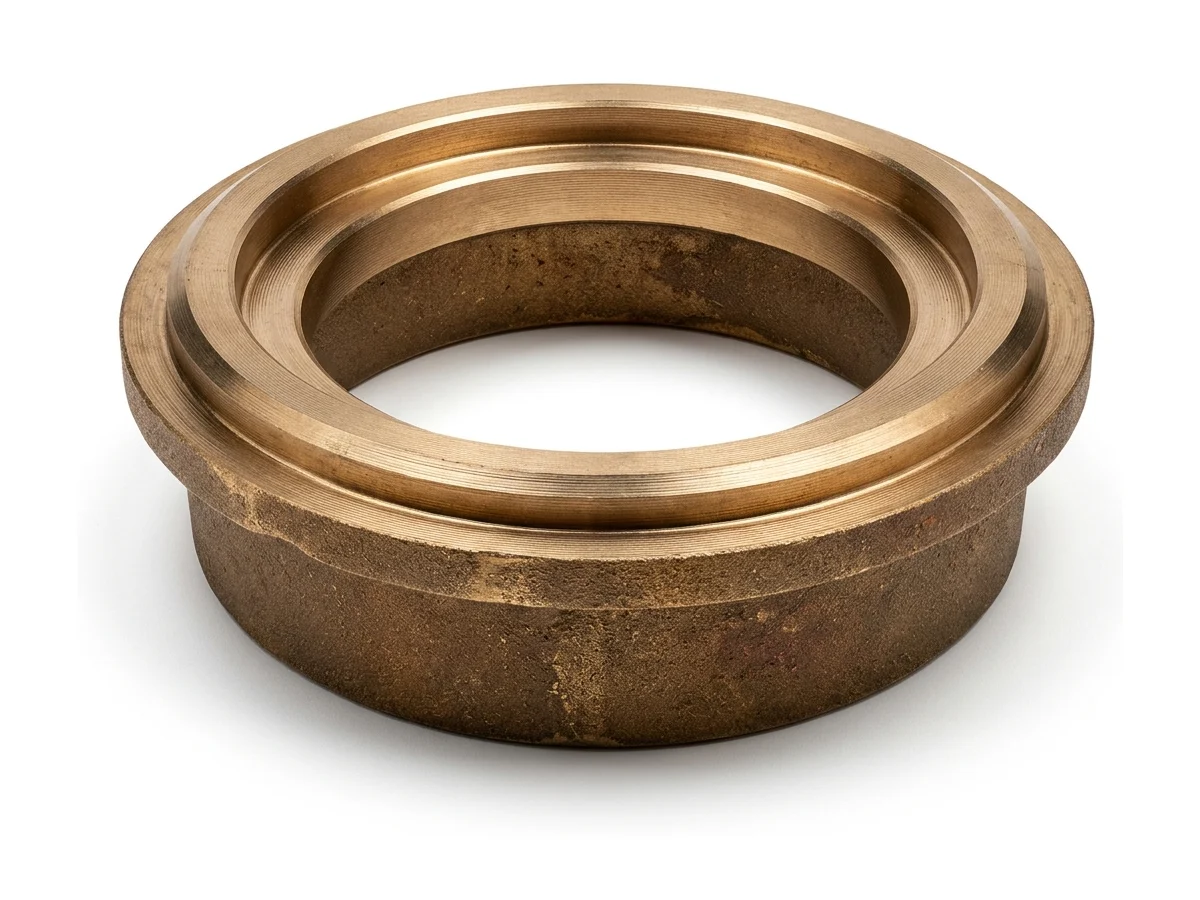
Bronze and cast-alloy pump wear rings that keep impeller clearance tight and pump efficiency high.
Indicative price from
$13 /kg
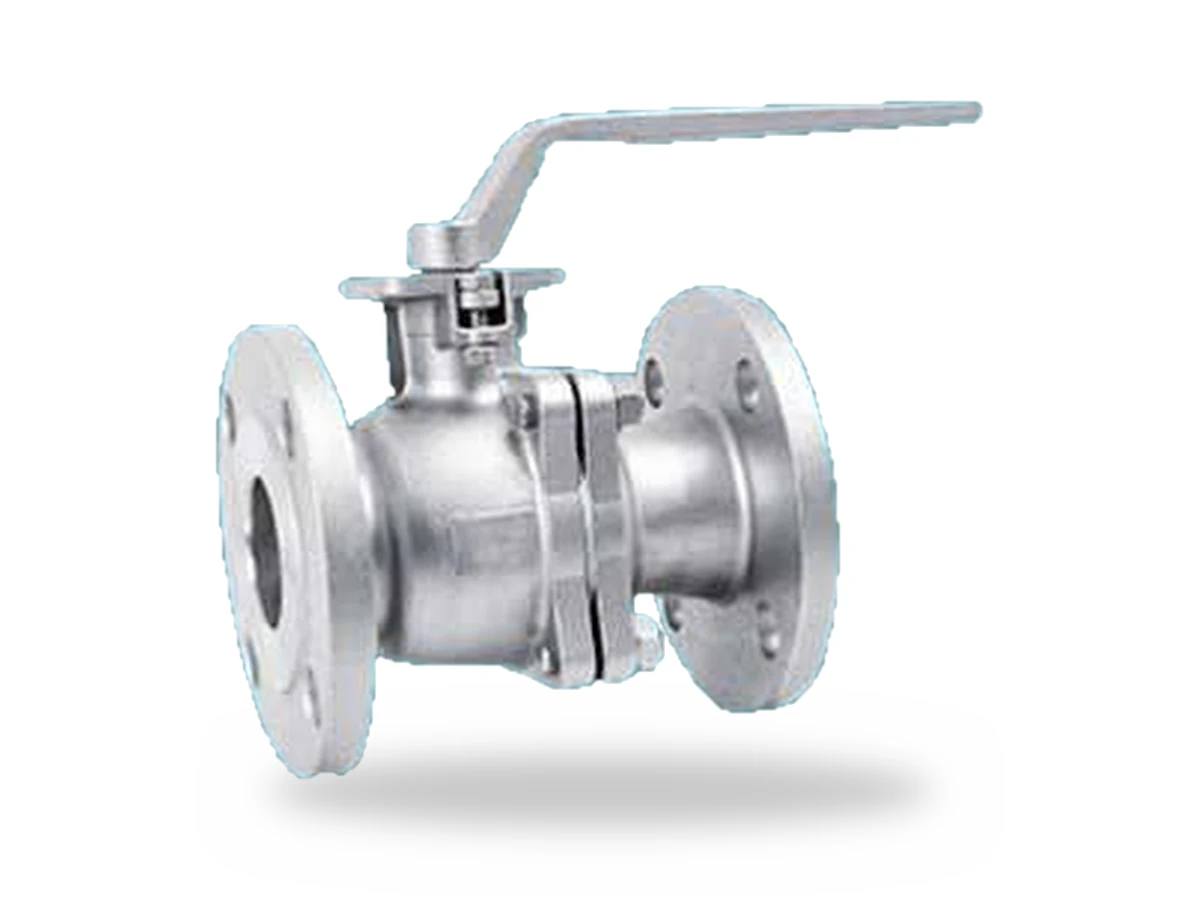
Bronze, gunmetal and stainless gate, globe, check and ball valve bodies, cast pressure-tight and machined.
Indicative price from
$9 /kg
 Representative image
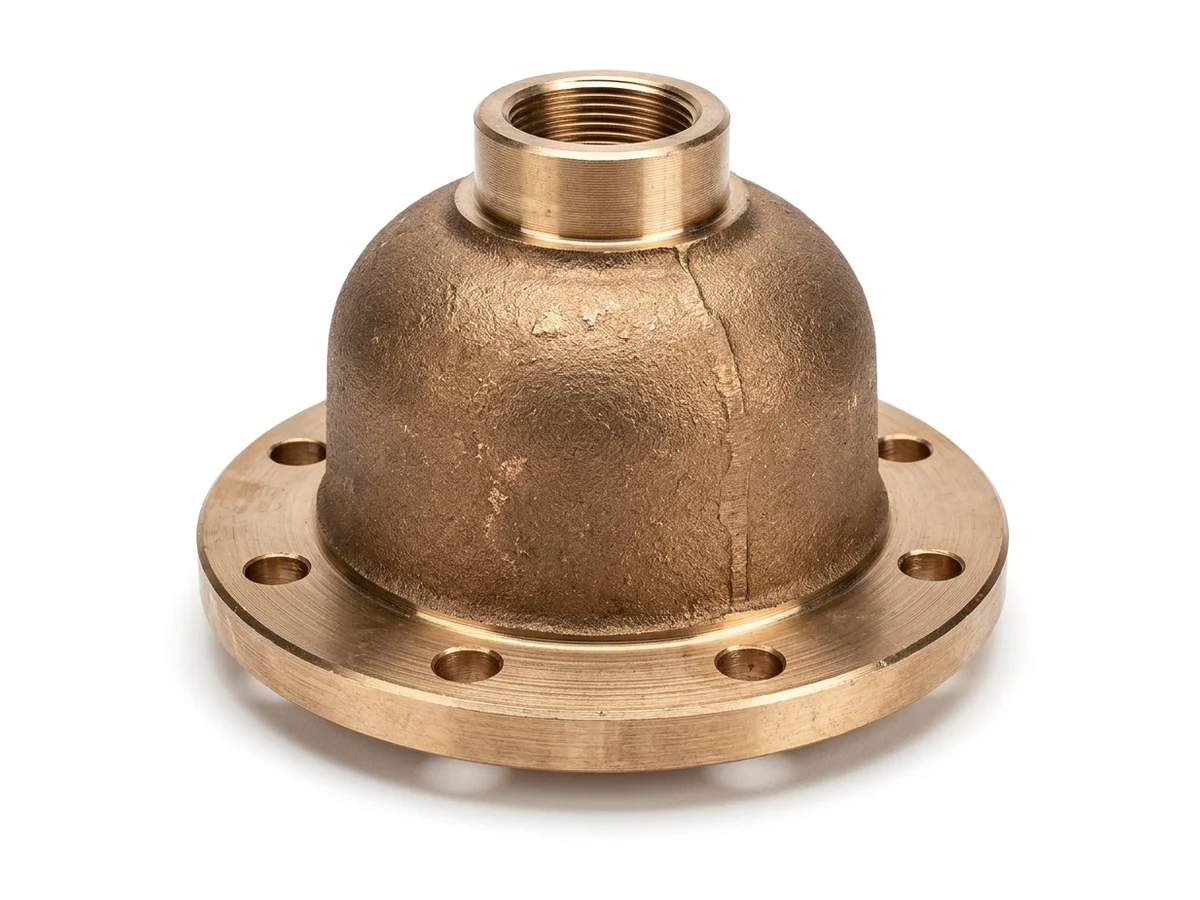
Bronze, gunmetal and stainless valve bonnets, cast and machined to fit your valve bodies.
Indicative price from
$9 /kg
 Representative image
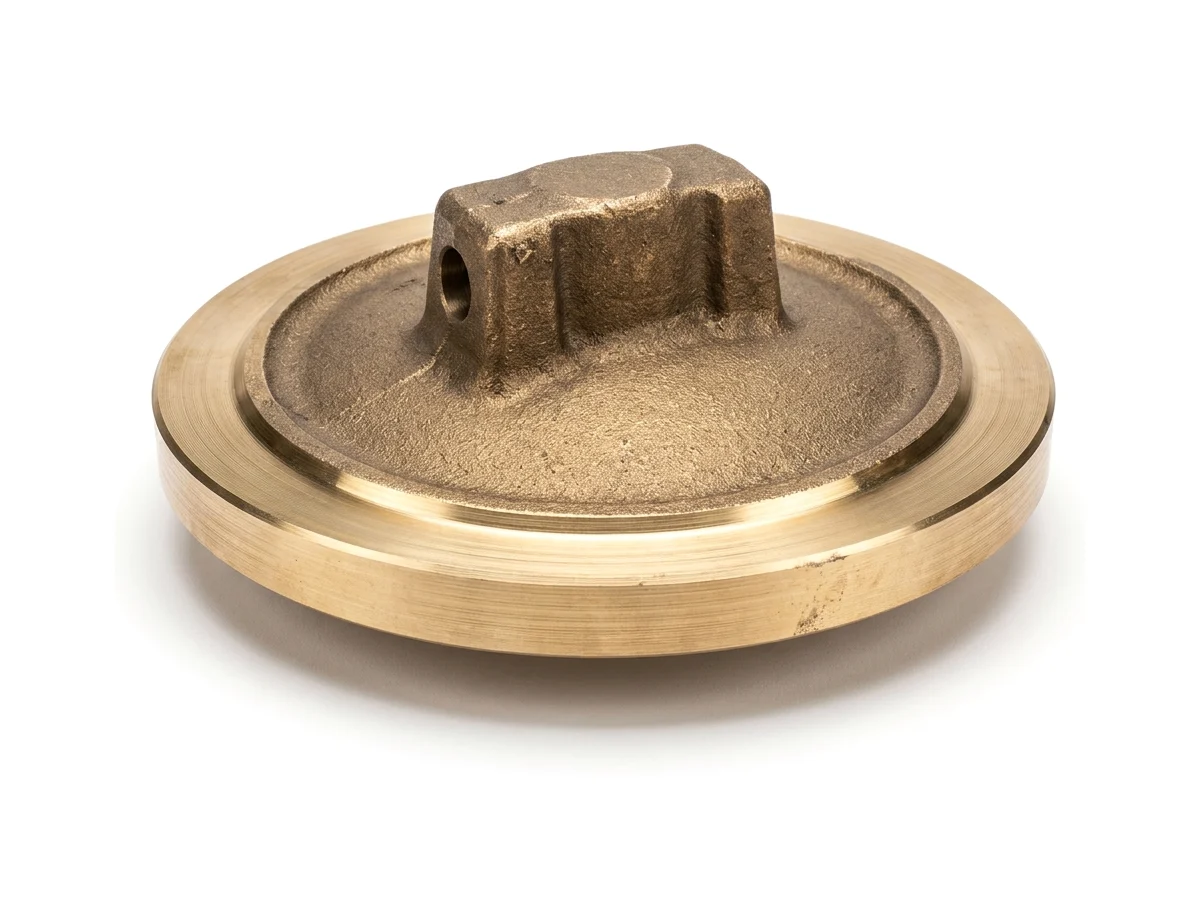
Cast valve discs and machined seat rings in bronze, aluminum bronze and stainless for tight shut-off.
Indicative price from
$9 /kg
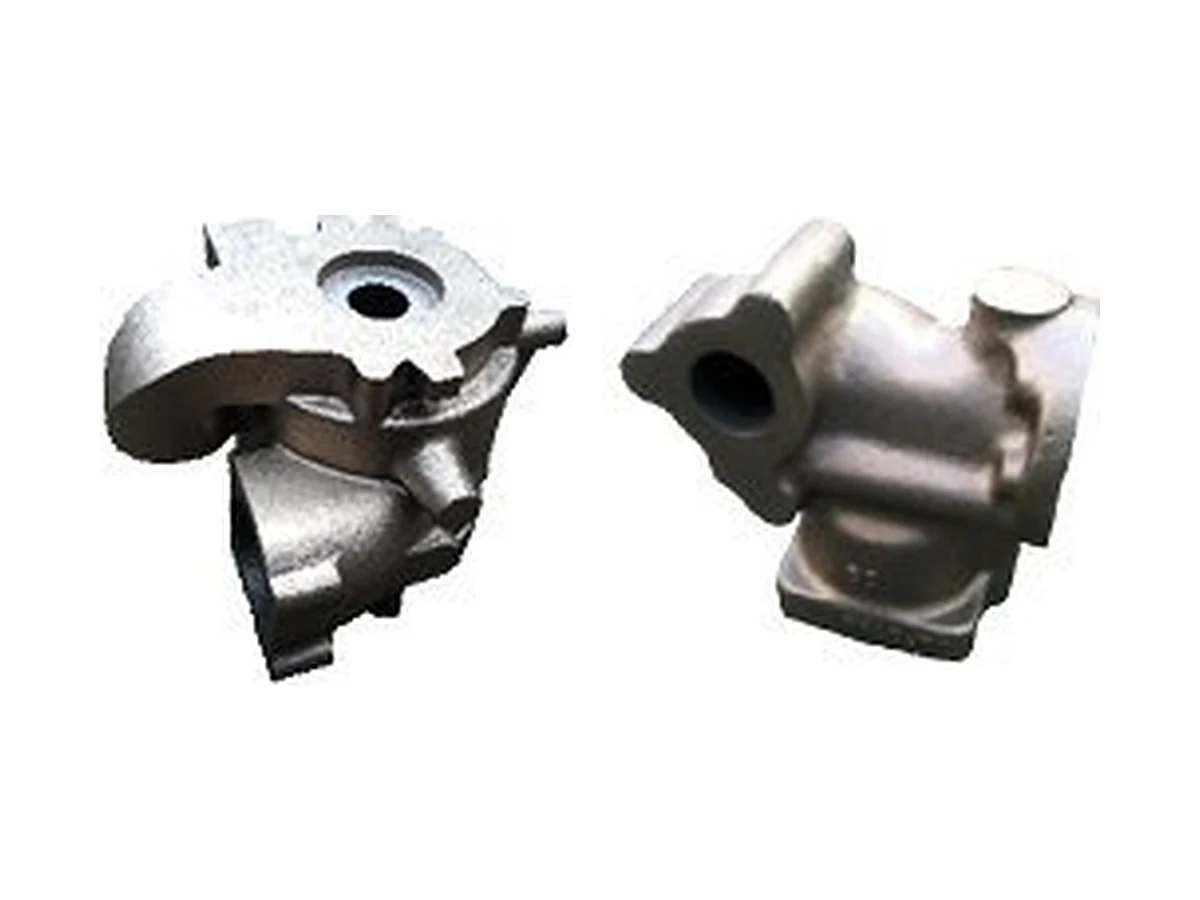
Cast valve plugs, trim and customer-specific valve parts in copper alloys and stainless.
Indicative price from
$9 /kg
Alloy × process pages for this industry.
Castings for water & chemical plants
Water-treatment, wastewater, desalination and chemical-process plants depend on castings that resist corrosion by the liquids they handle: bronze and gunmetal valve trim, spindle nuts and seat rings; pump impellers, casings and wear rings; strainer and filter bodies; stainless steel pump and valve castings for chemicals; nickel aluminum bronze and copper-nickel parts for seawater and brine; and fittings, hydrant parts and meter bodies for distribution networks. Getting the alloy right for each fluid — potable water, raw water, sewage, seawater, brine or chemicals — is what decides whether equipment lasts for decades or needs early replacement.
This guide explains which castings these plants and their equipment suppliers buy from a non-ferrous and stainless foundry, how to choose alloys by fluid, the standards and approvals that apply, inspection and documentation, design tips and how to order. Conex Casting Foundry in Jamnagar casts and machines gunmetal, bronze, aluminum bronze, copper-nickel and stainless steel parts and exports to more than 34 countries.
Raw-water intakes, treatment plants and distribution networks use large valves (gate, sluice, butterfly and check), pumps, strainers and meters. While large valve bodies are often ductile iron, their critical internal parts — spindle nuts, wedge nuts, seat rings, spindles and bushes — are typically gunmetal, bronze or stainless steel because they must not corrode or seize. Fire hydrants, air valves, service connections, ferrules and meter bodies are commonly gunmetal, DZR brass or lead-free bronze.
Sewage and effluent pumps use bronze or stainless wear rings and impellers in some designs, bronze bushings and stainless fasteners; penstocks and sluice gates use bronze wedges, guides and spindle nuts. Hydrogen sulfide from sewage can attack copper alloys in the gas space, so stainless steel is often preferred for exposed parts.
Thermal (MSF, MED) and reverse-osmosis desalination plants handle seawater and concentrated brine. Nickel aluminum bronze and copper-nickel are long-established for seawater intake pumps, valves and thermal-plant water boxes and tube plates; super-duplex and 316 stainless are used extensively in high-pressure RO systems.
Chemical plants use austenitic stainless castings (CF8M, CF3M, CF8) for pump casings and impellers, valve bodies, fittings and agitator parts; aluminum bronze for some acid services; and bronze and gunmetal for utility water, cooling and firewater systems.
| Part | Typical alloys | Process |
|---|---|---|
| Spindle nuts, wedge nuts, seat rings for sluice and gate valves | Gunmetal C83600 / LG2, aluminum bronze C95400, high-tensile brass | Sand / centrifugal cast, machined |
| Pump impellers, casings, wear rings | C83600, C90300, C95800, CF8M, CF3M | Sand, investment, centrifugal |
| Strainer and filter bodies | Gunmetal, bronze, CF8M | Sand, shell |
| Hydrant and air-valve parts | Gunmetal, bronze, lead-free bronze | Sand, gravity die |
| Meter bodies and service fittings | DZR brass, lead-free bronze, gunmetal | Gravity die, hot stamping, sand |
| Desalination pump and valve parts, water boxes | C95800 NAB, C96200 / C96400 Cu-Ni, CF8M | Sand, centrifugal |
| Chemical pump and valve castings | CF8M, CF3M, CF8, CA15 | Investment, resin sand |
| Penstock and sluice-gate parts | Bronze, aluminum bronze, stainless | Sand, machined |
| Fluid | Good choices | Use with care / avoid |
|---|---|---|
| Potable (drinking) water | Lead-free bronze (C89833), DZR or lead-free brass, CF8M | Leaded gunmetal or brass in regulated markets |
| Raw and treated water (non-potable) | Gunmetal C83600, tin bronze, aluminum bronze, CF8 | High-zinc brass in soft or aggressive water |
| Seawater and brine | C95800 NAB, Cu-Ni, CF8M, duplex | Gunmetal at high velocity; brass |
| Sewage and effluent | CF8M, CF3M, bronze in submerged service | Copper alloys in H2S gas spaces |
| Dilute acids (e.g. sulfuric) | Aluminum bronze C95200 / C95400, CF8M / CF3M (check concentration) | Brass, gunmetal |
| Caustic solutions | CF8M, nickel-containing alloys | Aluminum; check copper alloys |
| Wet chlorine, hypochlorite | Specialized materials per supplier guidance | Most copper alloys and standard stainless |
| Ammonia-containing water | CF8M | Copper alloys (stress-corrosion cracking) |
Many valves in water networks and treatment plants stay in one position for years, then must close quickly during a burst main or maintenance shutdown. If the spindle nut or wedge nut corrodes, dezincifies or bonds to the spindle, the valve cannot be operated. This is why water-industry valve standards pay close attention to the materials of spindles, nuts and seat rings. Corrosion-resistant bronzes such as gunmetal and aluminum bronze, paired with stainless spindles, and accurate thread machining that leaves smooth flanks and correct clearance, are the best protection. For buried valves, the nut material must also resist the soil water that eventually reaches it.
Strainers protect pumps, meters and spray nozzles from debris. Y-strainer and basket-strainer bodies in gunmetal, bronze or stainless steel must be pressure tight and have well-designed screen seats; filter vessels use cast heads, nozzles and fittings. In seawater systems, bronze or nickel aluminum bronze strainer bodies with stainless or Monel screens are common. Smooth internal surfaces and correct screen-seat machining help screens seal and make cleaning easier.
Pumps are the largest energy users in most water and wastewater plants. Hydraulic efficiency depends partly on impeller and casing quality: accurate vane geometry, smooth passages and correct wear-ring clearances reduce losses. Corrosion and erosion gradually widen wear-ring clearances and roughen surfaces, so pumps lose efficiency over time. Choosing durable alloys for impellers and wear rings — and replacing wear rings at the right interval — keeps pumps close to their design efficiency, saving energy over decades of operation.
Utilities and plant operators often keep stocks of critical spares: spindle nuts, seat rings, wear rings, impellers and glands. Standardizing these parts across valve and pump sizes, and having patterns and drawings maintained by the foundry, allows quick replenishment when stocks run low or an emergency repair is needed.
Materials in contact with drinking water are regulated in most markets. In the USA and Canada, products are certified to NSF/ANSI 61 (health effects) and NSF/ANSI 372 (lead content, with a 0.25% weighted-average limit for wetted surfaces). In the EU, materials must be on positive lists under the 4MS common approach adopted into EU rules; the UK uses WRAS approval; India refers to IS standards and utility specifications. Lead-free bronzes, DZR brass and stainless steel are used for wetted parts. Certification belongs to the finished product, and the foundry supports it by supplying approved alloys with consistent chemistry and traceable certificates.
| Check | Purpose |
|---|---|
| Chemical analysis per melt | Confirms grade and lead content for potable-water parts |
| Mechanical tests | Strength of spindle nuts, seat rings, impellers |
| Hydrostatic tests | Pressure-containing bodies and casings |
| Dimensional and thread inspection | Spindle-nut threads (Acme, trapezoidal), seat ring fits |
| Dezincification test (EN ISO 6509-1) | DZR brass parts |
| Solution annealing records and PMI | Stainless castings for chemical service |
Material test certificates to EN 10204 3.1, test reports and dimensional reports are supplied under an ISO 9001:2015 quality system; third-party inspection can be arranged for utility and EPC projects.
Conex casts gunmetal, bronze, aluminum bronze, nickel aluminum bronze, copper-nickel, brass and stainless steel at its foundry in Jamnagar, Gujarat, using sand, shell, gravity die, low-pressure, pressure die, investment, centrifugal and continuous casting, and machines parts in-house. Valve bodies, pump impellers, stainless pump parts and bronze bushings are regular products. Inspection and material test certificates are supplied under an ISO 9001:2015 quality system, and the company exports to more than 34 countries.
Every order can be supplied with a material test certificate to EN 10204 3.1 linking each heat to the parts delivered, a dimensional inspection report for first articles and production samples, and test reports for any pressure, hardness, conductivity or non-destructive tests specified on the order. Parts are marked and packed so that each lot can be traced back to its certificate.
Water and wastewater plants dose chlorine, hypochlorite, coagulants and pH-correction chemicals, which make the water more aggressive near dosing points. Gunmetal and bronze perform well in treated potable water; DZR brass resists dezincification; CF8M and CF3M stainless suit chemical dosing lines and aggressive effluents. Drinking-water parts may need lead-free alloys and national approvals, which belong to the product maker and are supported by material certificates. Buyers should share the water analysis and the chemicals dosed so that the right alloy can be agreed before casting.
Conex casts copper-base alloys, aluminum and stainless steel in Jamnagar, Gujarat, by sand, shell, gravity die, low-pressure, pressure die, investment, centrifugal and continuous casting, machines parts in-house on CNC equipment, works under an ISO 9001:2015 quality system with inspection reports and material test certificates, and exports to more than 34 countries.
Questions buyers ask
Nickel aluminum bronze and cupronickel 90/10 and 70/30 are the usual choices for seawater and brine.
Yes — lead-free silicon brass (C87850) and DZR brass for potable-water parts.
Gunmetal (C83600 / LG2) or aluminum bronze, depending on load and water; high-tensile brass is used in some designs. The nut should pair well with a stainless spindle.
Yes, in lead-free bronze or brass grades. Product certification is held by the brand owner.
Nickel aluminum bronze and copper-nickel for seawater pumps, valves and thermal-plant parts; 316 and duplex stainless for high-pressure reverse-osmosis systems.
Yes, in CF8M, CF3M, CF8 and CA15 by investment and resin-sand casting, solution annealed and machined.
Yes, to the pressures and standards you specify.
Yes, to EN ISO 6509-1 when specified.
Yes. Share the utility or EPC specifications; alloys, tests and documents are confirmed in the quotation.
For submerged parts in many sewage pumps, yes; in gas spaces with hydrogen sulfide, stainless steel is preferred.
Gunmetal or nickel aluminum bronze bodies with corrosion-resistant screens are traditional; 316 or duplex stainless is used where the system design calls for it.
Yes. Patterns and drawings for repeat spares can be maintained so that replacements are produced quickly on demand.
Send your drawing, get a quotation.
DWG, PDF, STEP or a sample photo — with quantity and destination port.

Conex Export Desk
Talk to our export team
Working on a new casting? Tell us the part and we'll connect you with the right engineer today.