Pump Impellers
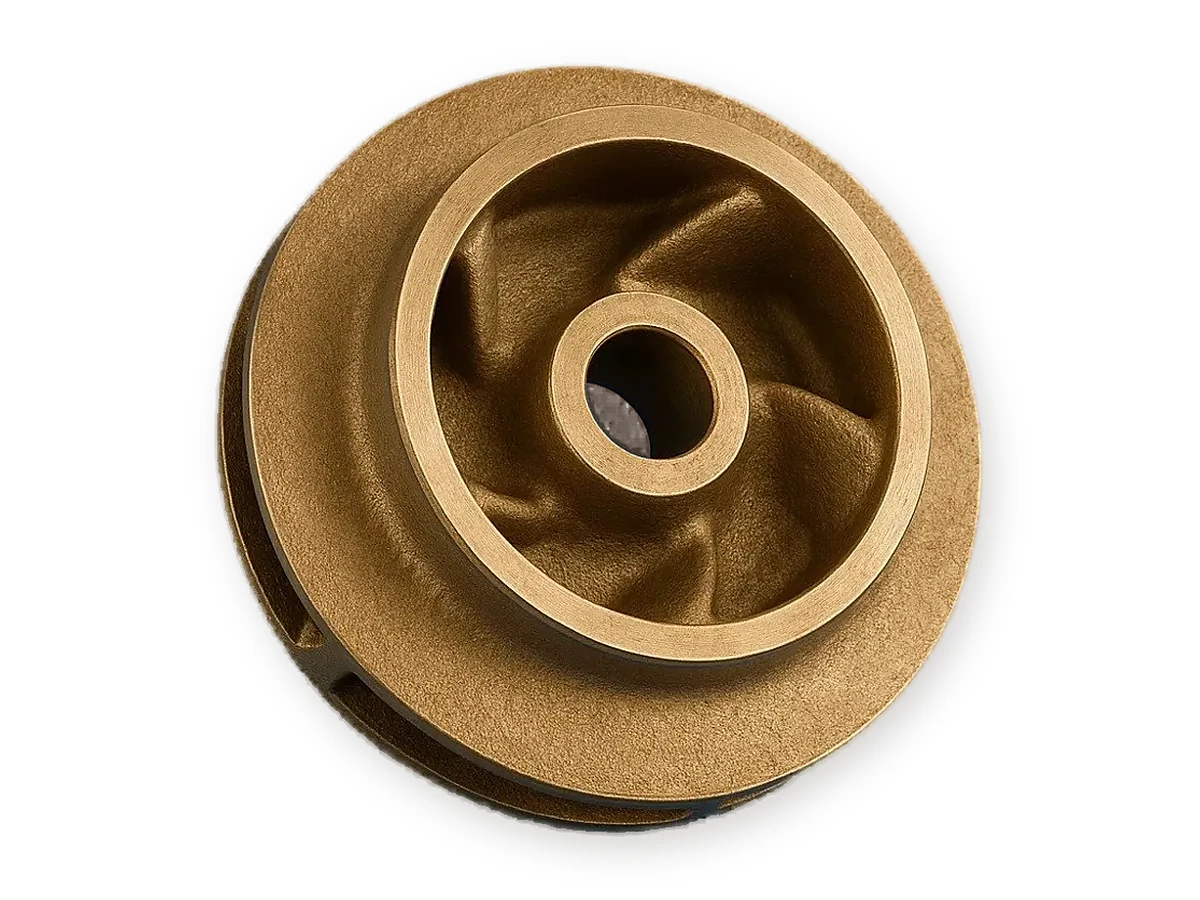
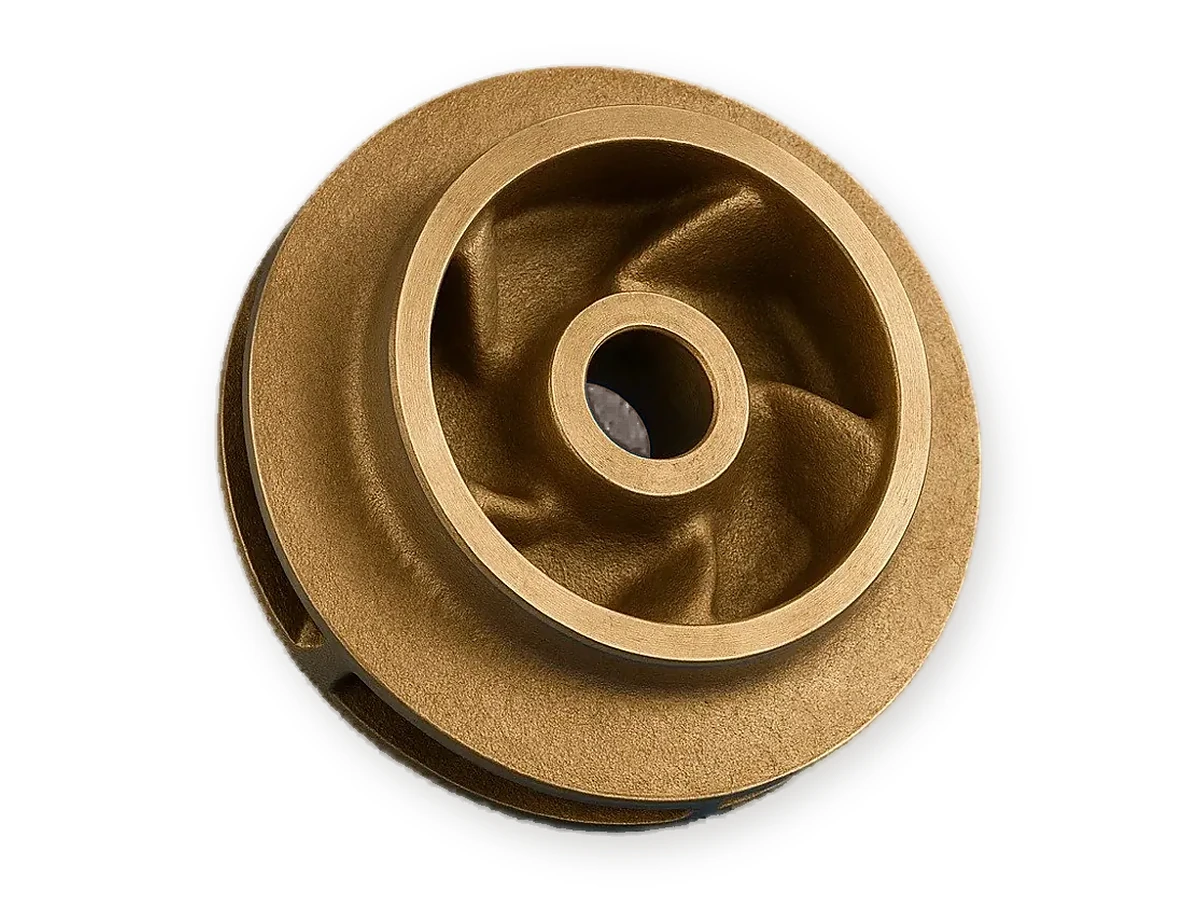
Bronze, nickel aluminum bronze and stainless steel pump impellers, cast, machined and balanced to your drawing.
Indicative price from
$13 /kg
Industry · Industrial & Manufacturing
Hygienic, corrosion-resistant bronze and lead-free alloy parts for pumps, valves and processing machines.
Products for food & beverage processing equipment
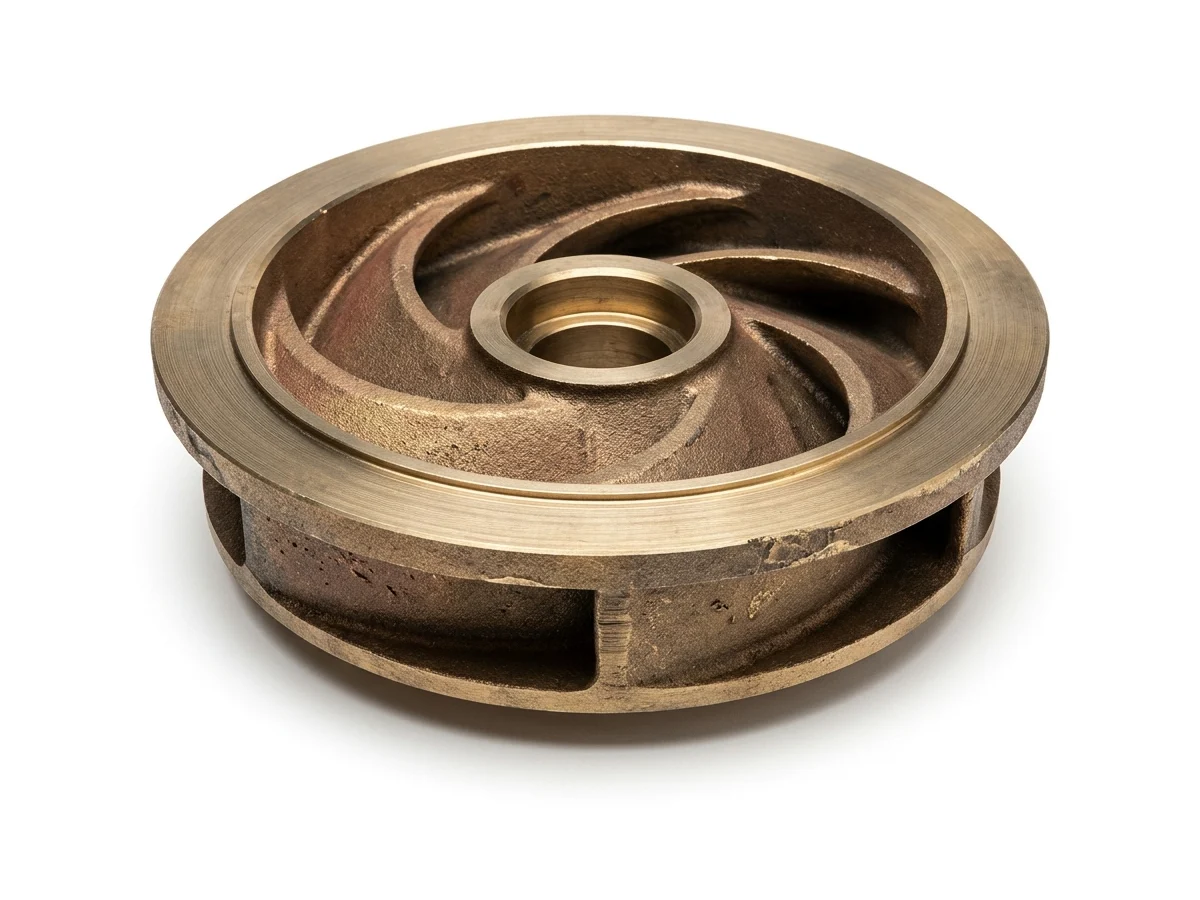
Bronze, nickel aluminum bronze and stainless steel pump impellers, cast, machined and balanced to your drawing.
Indicative price from
$13 /kg
 Representative image
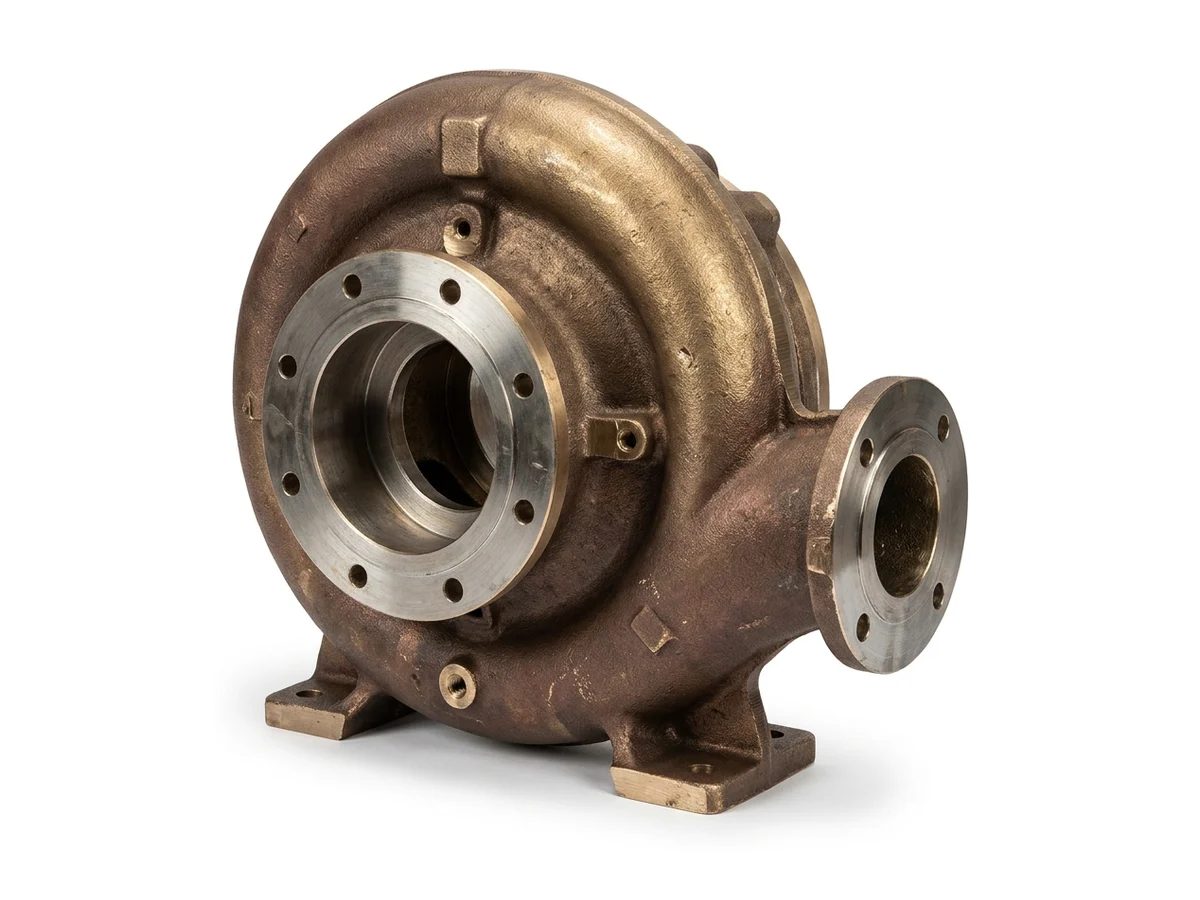
Bronze and stainless volute casings and pump housings, cast pressure-tight and machined to drawing.
Indicative price from
$13 /kg
 Representative image
Cast diffuser bowls and diffuser components in bronze and stainless for multistage and vertical pumps.
Indicative price from
$13 /kg
 Representative image
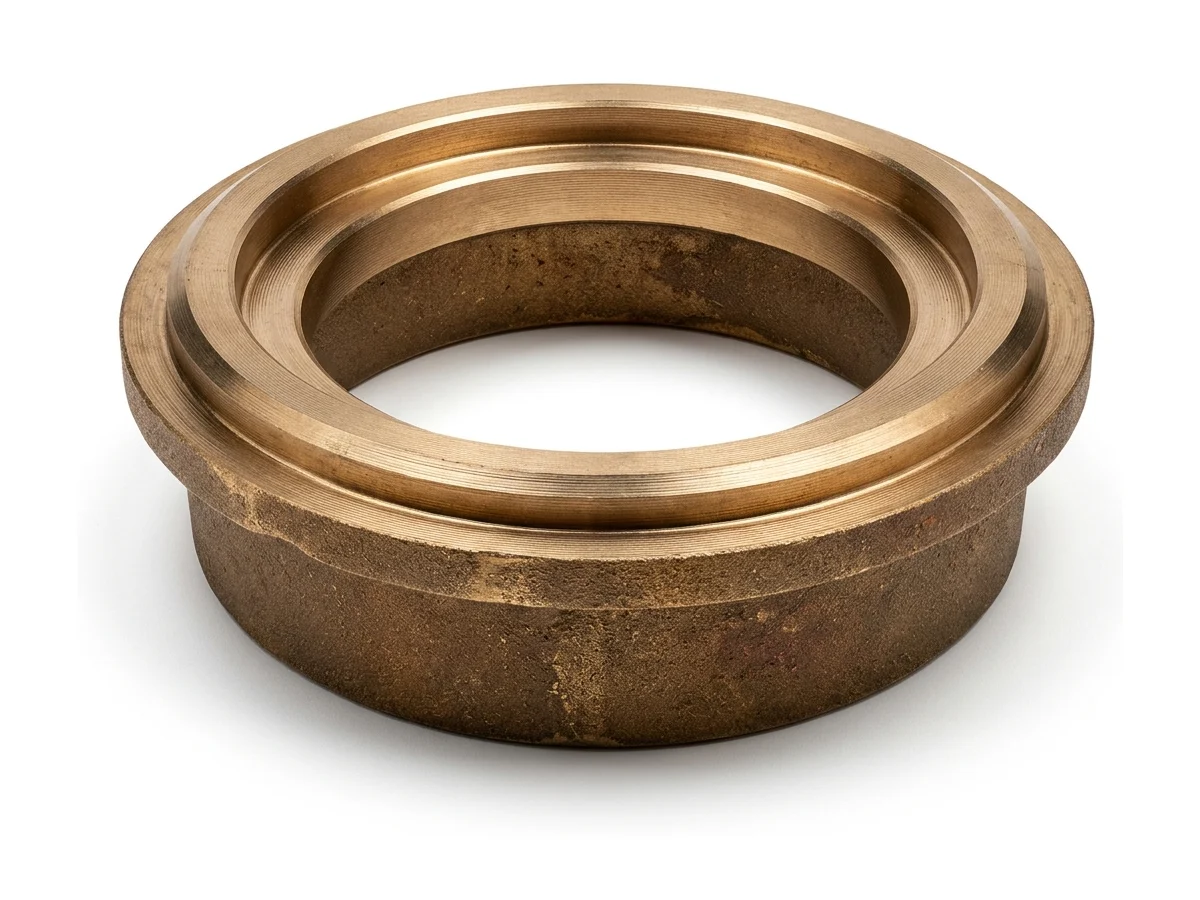
Bronze and cast-alloy pump wear rings that keep impeller clearance tight and pump efficiency high.
Indicative price from
$13 /kg
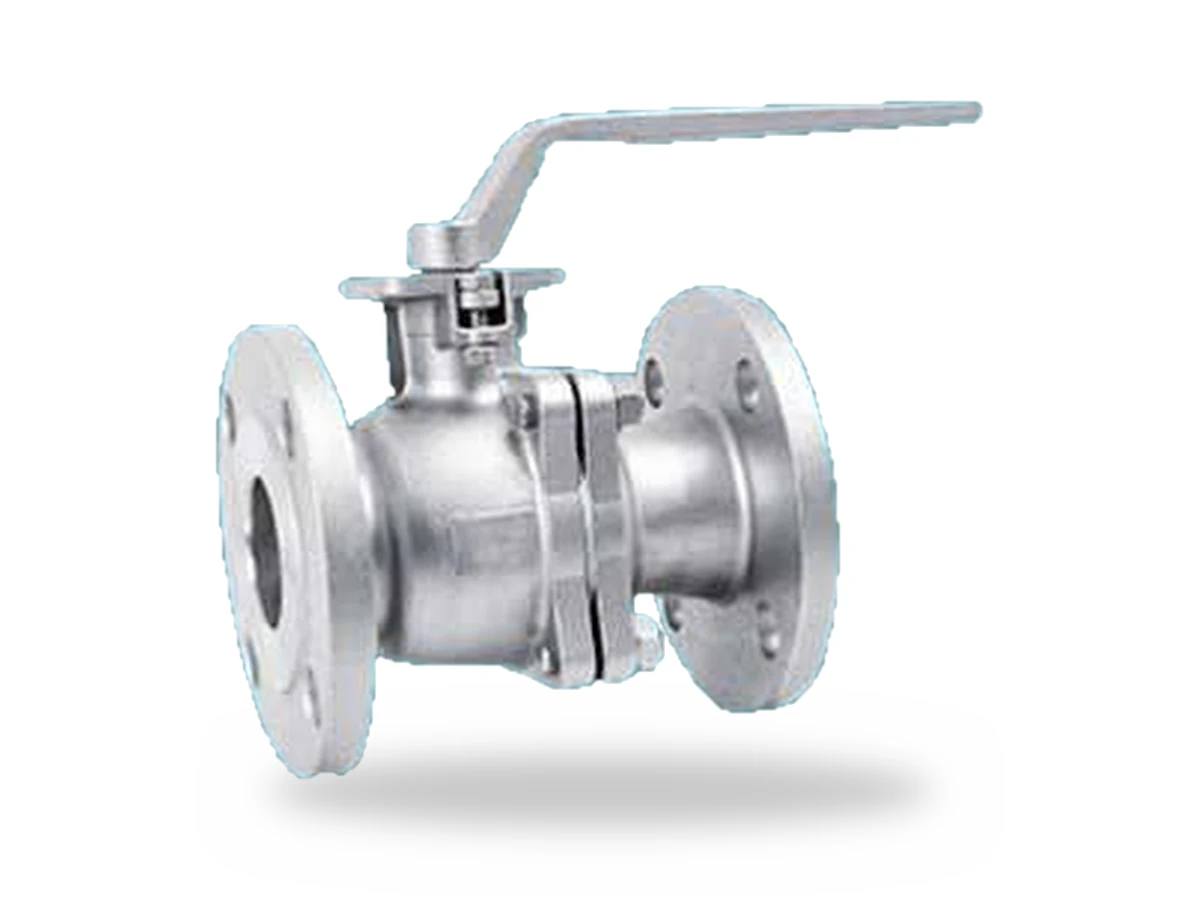
Bronze, gunmetal and stainless gate, globe, check and ball valve bodies, cast pressure-tight and machined.
Indicative price from
$9 /kg
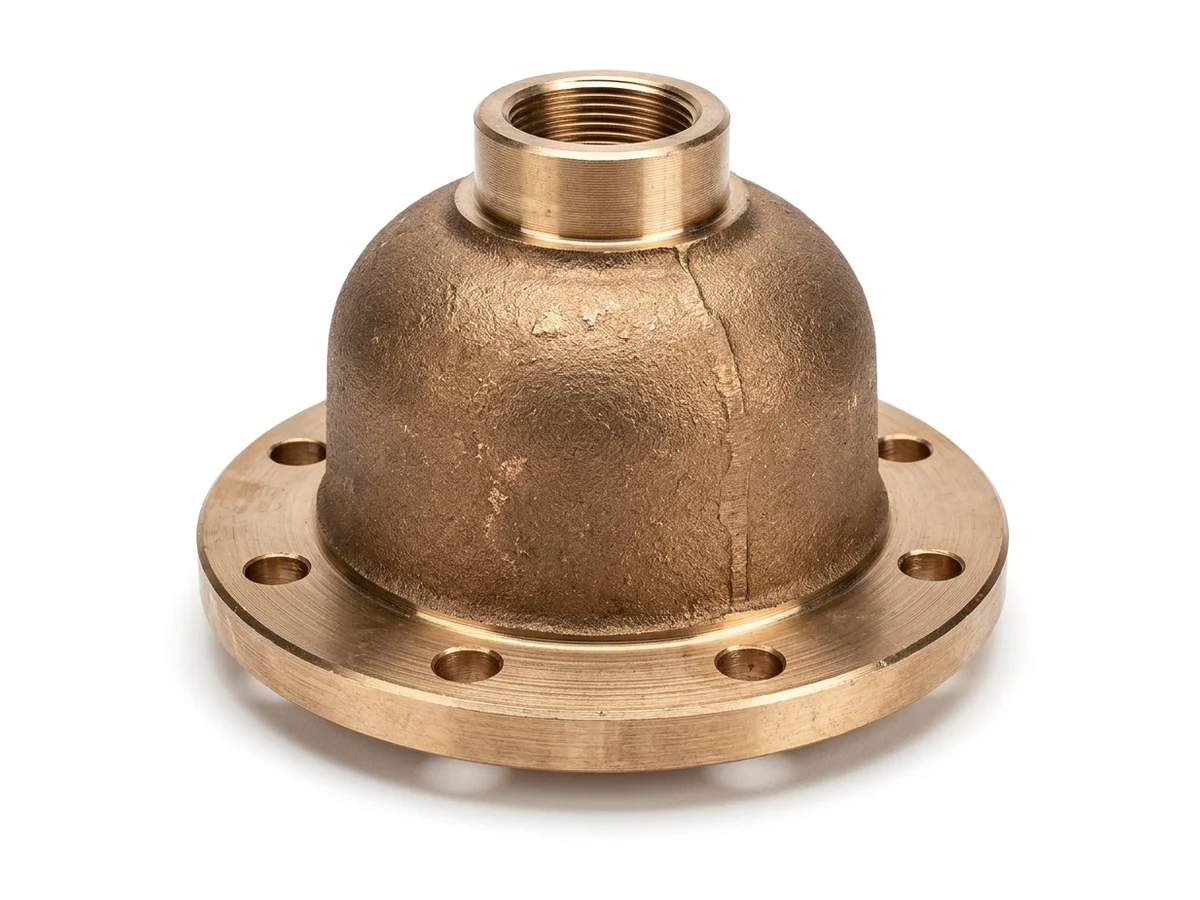 Representative image
Bronze, gunmetal and stainless valve bonnets, cast and machined to fit your valve bodies.
Indicative price from
$9 /kg
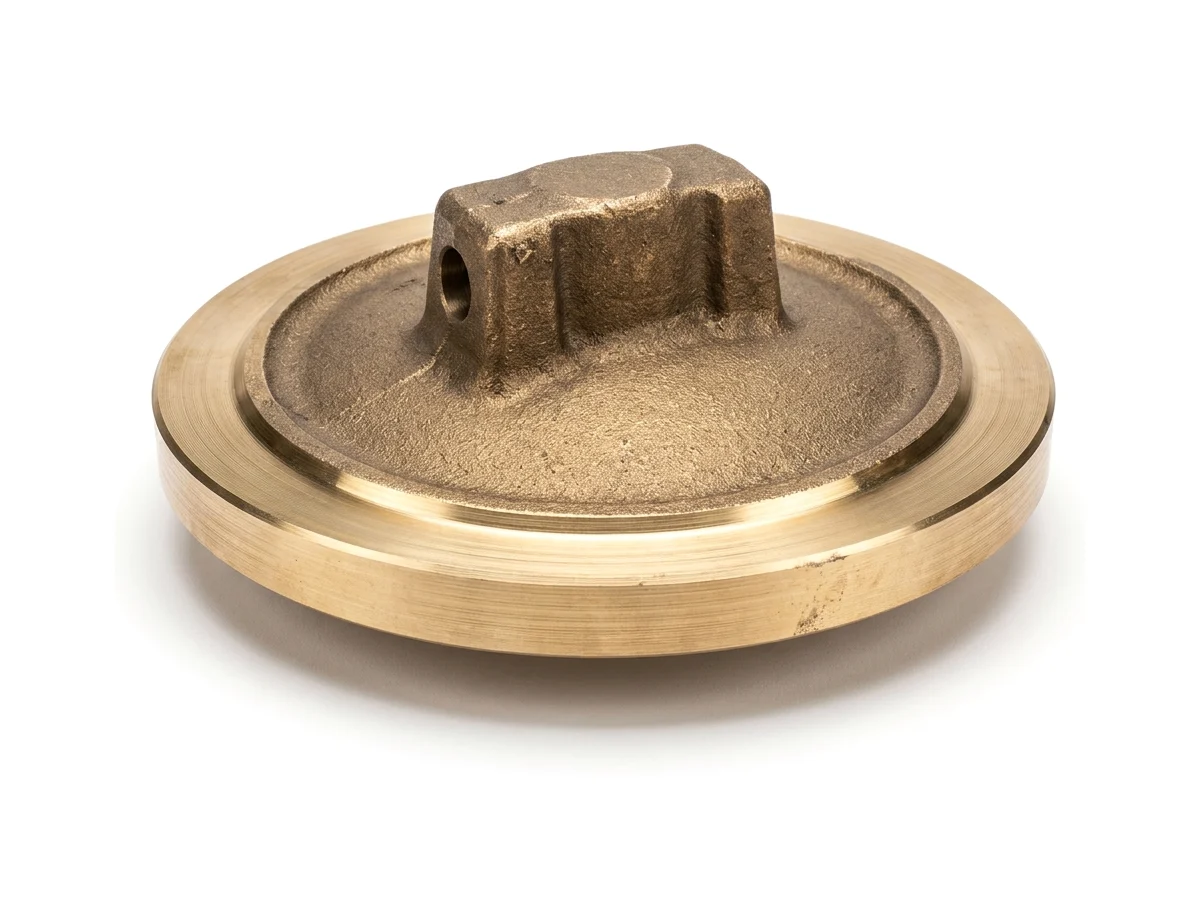 Representative image
Cast valve discs and machined seat rings in bronze, aluminum bronze and stainless for tight shut-off.
Indicative price from
$9 /kg
Cast valve plugs, trim and customer-specific valve parts in copper alloys and stainless.
Indicative price from
$9 /kg
Alloy × process pages for this industry.
Castings for food & beverage processing equipment
Makers of dairy, brewery, beverage, bakery, confectionery, edible-oil, meat-processing and packaging equipment buy stainless steel and selected non-ferrous castings for the parts that touch food or work close to it: sanitary pump casings and impellers, valve bodies, tri-clamp and dairy fittings, mixer and agitator parts, filler and capper components, homogenizer parts, bearing housings, and bronze or brass parts in non-contact zones such as drives, steam and water services. These castings must be clean, smooth, corrosion resistant and easy to sanitize, because rough surfaces, porosity and crevices can harbor bacteria and contaminate product.
This guide explains which castings the food and beverage processing industry buys, which alloys are suitable for food contact and which are not, hygienic design principles, standards, inspection and documents, and how to order. Conex Casting Foundry in Jamnagar, Gujarat, casts stainless steel by investment and sand casting, along with copper-base and aluminum alloys, machines them in-house on CNC lines, and exports to more than 34 countries.
Centrifugal and positive-displacement sanitary pumps (lobe, circumferential piston, twin-screw) move milk, juice, beer, sauces, syrups, chocolate and cleaning solutions. Their casings, covers, impellers and rotors are typically cast in CF8M or CF3M stainless steel (cast equivalents of 316 and 316L), then machined and polished to a specified surface roughness.
Butterfly, seat, mix-proof, ball and diaphragm valves, together with bends, tees, reducers, ferrules and clamp fittings, connect process lines. Cast bodies in CF8M / CF3M are machined and polished. Many standard fittings are made from tube, but cast bodies are used for complex valve housings and manifold blocks.
Agitator hubs, blade roots, scraper holders, drive couplings and bearing housings for mixers, cooking kettles and tanks are cast in stainless steel. Brass and bronze are used only outside the product zone.
Filler valves, star wheels, capping heads, change parts, guides and brackets in bottling and packaging lines use stainless castings in contact zones, and aluminum or bronze castings for structural and drive parts away from product.
Steam, hot water, compressed air and cooling water systems in a food plant use gunmetal and bronze valves, strainers and fittings. Gearboxes and drives use bronze worm wheels and bushes. These parts are outside the product zone but still sit in a washdown environment, so corrosion resistance matters.
Milk reception, pasteurizers, separators, homogenizers, cheese vats and powder plants all use stainless pumps, valves and fittings. Dairy equipment is cleaned daily with hot caustic and acid, so CF8M and CF3M castings with smooth, crevice-free surfaces are essential. Homogenizers run at very high pressure and use special stainless and hard-faced parts in their valve blocks; castings for them must be sound and pressure tested.
Breweries use stainless pumps, valves and fittings throughout the brewhouse, cellar and packaging hall. Copper remains traditional in some brew kettles and especially in distillation stills, where copper reacts with sulfur compounds and improves spirit quality. Copper and bronze castings for stills — swan necks, condenser parts, spirit safes and fittings — are a specialist area where copper's role in flavor is deliberate.
Soft-drink and bottled-water plants use stainless for syrup rooms, blending, carbonation and filling. Filler valves and change parts must be precise and hygienic. Acidic drinks such as colas and juices make 316-type stainless the normal choice.
Edible-oil refineries use stainless and, in some utility services, bronze and gunmetal pumps and valves. Copper is avoided in contact with oils because it catalyzes oxidation and rancidity. Bakery and confectionery equipment use stainless in dough, cream and chocolate contact areas, with bronze worm drives and bushes in mixers and enrobers away from product.
Meat and fish processing involves salt, blood, brines and strong sanitizers. CF8M and CF3M castings are standard; higher-alloy grades may be specified for brine pumps and injectors. Hygienic design is especially important because these plants face strict microbial controls.
Most food-equipment castings are made by investment casting, because it gives a smoother as-cast surface, finer detail and closer tolerances, so less machining and polishing is needed. Sand casting is used for larger pump casings, valve bodies and housings where size or low volume makes investment casting uneconomical; these parts are then machined and polished on all product-contact surfaces. Either way, the casting must be sound, because polishing a porous surface only reveals the pores.
| Part | Typical alloys | Process |
|---|---|---|
| Sanitary pump casings, covers, impellers | CF8M, CF3M (316 / 316L cast) | Investment or sand cast, machined, polished |
| Lobe and piston pump rotors | CF8M, CF3M, non-galling stainless grades where specified | Investment cast, machined |
| Valve bodies and manifold blocks | CF8M, CF3M, CF8 for less aggressive duties | Investment or sand cast, machined, polished |
| Agitator hubs and blade roots | CF8M, CF3M | Investment or sand cast, machined |
| Filler valves and change parts | CF8M, CF3M | Investment cast, machined |
| Bearing housings (washdown) | CF8, CF8M | Investment or sand cast |
| Steam and water valves, strainers (utilities) | Gunmetal C83600, lead-free bronze, DZR brass CW602N | Sand or gravity cast, machined |
| Drive worm wheels and bushes (non-contact) | Phosphor bronze C90700, leaded tin bronze C93200 | Centrifugal or continuous cast |
| Frames, brackets, guards (non-contact) | Aluminum LM6, LM25 / A356 | Gravity die or sand cast |
CF8M and CF3M are the standard materials for product-contact castings. The molybdenum content improves resistance to chlorides, acids and cleaning chemicals such as caustic and acid CIP (clean-in-place) solutions. CF3M, the low-carbon grade, is preferred where castings will be welded into tanks or pipework, because it resists sensitization at weld zones. CF8 (304 cast) is suitable for less aggressive products and environments.
Copper, brass and bronze have a long history in brewing (copper kettles) and distilling, where copper's catalytic effect on flavor is valued. In most modern food processing, however, copper alloys are kept out of direct contact with acidic foods, dairy and products where copper pickup affects taste, color or shelf life. Leaded alloys must not be used in food contact. Where bronze is needed in or near product (for example, some pump bushes or bearings), lead-free bronze grades and the equipment maker's food-contact approval should be confirmed.
Aluminum castings are used for frames, guards and some non-acidic handling parts, but are generally avoided in product contact for acidic foods and caustic cleaning, which attack aluminum.
Food-contact castings must be cleanable. That means:
Approvals such as 3-A authorization belong to the equipment maker; the foundry supplies castings in the specified material and finish, with documents that support the maker's compliance.
Conex works under an ISO 9001:2015 quality system and supplies material test certificates and inspection reports with orders.
Food plants clean equipment frequently with hot caustic solutions, acids (nitric, phosphoric) and sanitizers that may contain chlorine or peracetic acid. Chloride-containing sanitizers, if left in contact or used at high concentrations and temperatures, can cause pitting even on 316 stainless. Good rinsing, correct concentrations and smooth, crevice-free surfaces protect the castings. For brines, sauces with high salt content and other aggressive products, higher-alloy stainless grades may be specified by the equipment maker.
Questions buyers ask
Most often EcoBrass C87850, Gunmetal LG2, Tin Bronze C90300, Aluminum Bronze C95400 — chosen for strength, wear, conductivity and corrosion resistance in food & beverage processing equipment service. We confirm the grade against your drawing and standard.
Yes. Send your drawing (DWG, PDF, STEP) or a sample photo with quantity and alloy standard; we cast, machine in-house on CNC and inspect before despatch.
CF8M or CF3M, the cast equivalents of 316 and 316L, for most product-contact parts; CF8 (304 cast) for less aggressive duties.
Product-contact surfaces can be machined and polished to the specified roughness, such as Ra 0.8 µm.
Generally only outside the product zone. Where a copper alloy must contact food, a lead-free grade approved for food contact should be specified.
Stainless pump casings, covers and impellers can be investment or sand cast, machined and polished to drawing.
Passivation can be carried out after machining when specified on the order.
Castings can be supplied in the material and finish your design requires, with certificates to support your compliance; the approval itself belongs to the equipment maker.
Material test certificates (EN 10204 3.1 on request), dimensional, dye penetrant, roughness and pressure-test reports as ordered.
It gives a smoother, denser surface and closer dimensions, which reduces machining and helps achieve a cleanable finish.
Copper and bronze castings for stills and condensers can be made to drawing, where copper contact with the spirit is intended.
Copper speeds up oxidation of oils and fats, which shortens shelf life and causes rancidity, so stainless is used in oil-contact parts.
Yes. Worm wheels, bushes and other drive parts in phosphor or leaded bronze are supplied for the non-contact zones of mixers, conveyors and packaging machines.
Send your drawing, get a quotation.
DWG, PDF, STEP or a sample photo — with quantity and destination port.

Conex Export Desk
Talk to our export team
Working on a new casting? Tell us the part and we'll connect you with the right engineer today.